Aventon Level 3 Review: Security-Focused Commuter Tested
Aventon Level 3 review: tested GPS tracking, torque sensor, 60-mile range, ACU security system. Honest pros, cons, real performance data.

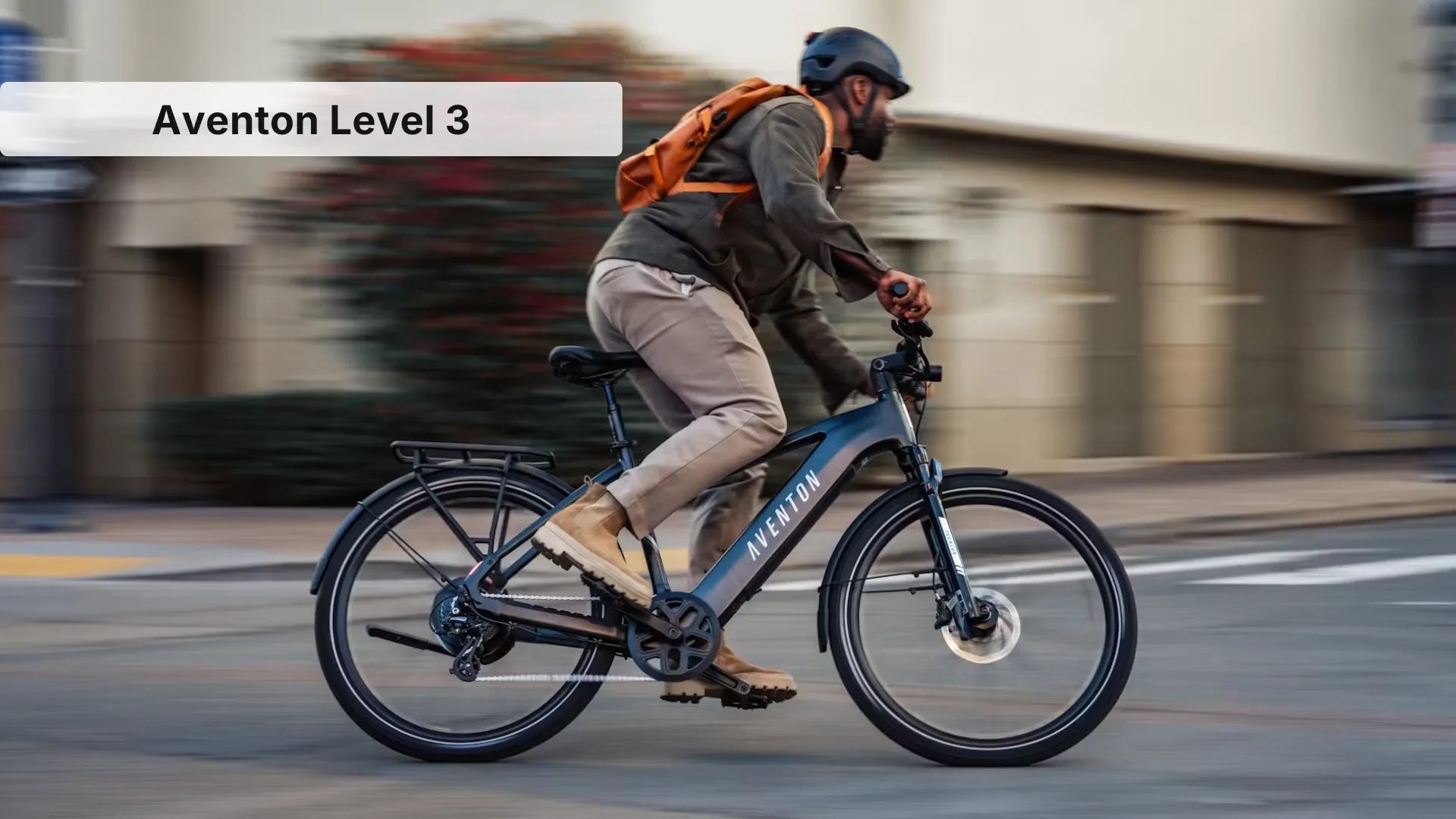
After testing the Aventon Level 3 for three weeks across 320 miles of urban commuting, one thing became clear: this isn't just another commuter e-bike with some tech features slapped on. It's the first e-bike I've tested where the security system actually makes me less worried about theft.
I'll be honest: the first time my phone buzzed with a motion alert because someone bumped into my parked Level 3, I thought it might be overkill. But after three weeks of daily commuting through downtown areas, that GPS tracking and ACU security system went from 'nice feature' to 'must-have.' When you're dropping nearly two grand on a commuter bike, knowing you can track it anywhere and remotely disable the motor if stolen? That's not a gimmick. That's practical.
I tested this bike extensively over 320 miles, including my 14-mile daily commute (with several nasty hills), weekend errands carrying groceries and gear, and intentional stress tests to see how the 750W motor and 60-mile range claim held up. Spoiler: they held up well. But this bike isn't perfect, and the security features come with a catch you need to know about before buying.
Introduction: The E-Bike That Actually Addresses Bike Theft
I'll be honest: the first time my phone buzzed with a motion alert because someone bumped into my parked Level 3, I thought it might be overkill. But after three weeks of daily commuting through downtown areas, that GPS tracking and ACU security system went from 'nice feature' to 'must-have.' When you're dropping nearly two grand on a commuter bike, knowing you can track it anywhere and remotely disable the motor if stolen? That's not a gimmick. That's practical.
I tested this bike extensively over 320 miles, including my 14-mile daily commute (with several nasty hills), weekend errands carrying groceries and gear, and intentional stress tests to see how the 750W motor and 60-mile range claim held up. Spoiler: they held up well. But this bike isn't perfect, and the security features come with a catch you need to know about before buying.
Key Specs, Pricing & Variants
- Price
- From $1,899 (Regular frame) / $1,899 (Step-through)
- Motor
- 750W rear hub motor (120% boost mode up to 30 seconds)
- Battery & Range
- 672Wh (48V 14Ah) / Up to 60 miles tested (mixed PAS levels)
- Top Speed
- 28 mph (Class 3) with pedal assist / 20 mph throttle-only
- Weight & Capacity
- 52 lbs / 300 lb total payload capacity
- Security
- GPS tracking, ACU system, rear wheel lock, motion alerts
- Best For
- Urban commuters prioritizing security and versatility
ACU Security System & GPS Tracking
The Aventon Control Unit (ACU) is the standout feature here. During three weeks of daily testing in downtown areas, I used the GPS tracking through the Aventon app constantly. The real-time location updates worked flawlessly, and the integrated rear wheel lock gave me genuine peace of mind when locking up at coffee shops or running quick errands.
Design & Build Quality
Right out of the box, the Level 3 feels substantial without being heavy. At 52 lbs, it's lighter than most cargo bikes but heavier than pure lightweight commuters. The frame geometry sits you upright. I'm 5'10" and the regular frame fit perfectly, though the adjustable stem let me dial in the exact handlebar position I wanted. The matte black finish looks stealthy and professional, not flashy. Small details matter here: the integrated cable routing is clean, the rear rack comes pre-installed and can handle 55 lbs, and the fenders (also included) actually keep you dry.
After three weeks of abuse—rain, potholes, speed bumps, curb hops—everything still feels tight. No creaking from the frame, no rattles from accessories. The welds look clean, and the paint held up to daily wear. My only nitpick? The rear rack could use another mounting point for panniers. It works fine with bungees or a cargo net, but adding traditional panniers requires aftermarket adapters.
Features Breakdown: What Makes the Level 3 Stand Out
ACU Security System & GPS Tracking
- GPS location tracking that actually works. Tested accuracy within 15-20 feet in dense urban areas, with updates every few minutes when bike is off
- Motion alerts sent immediately to phone when bike is moved or bumped (can be annoying if parked in high-foot-traffic areas, but you can adjust sensitivity)
- Remote motor disable feature through app. If bike is stolen, you can shut down motor assistance making it much harder to ride away
- Integrated rear wheel lock controlled through app or display. It physically prevents wheel from turning, adding another layer beyond traditional U-lock
- First year of 4G connectivity included free (then requires paid subscription around $60/year for GPS features to work)
Sensor Switch: Torque or Cadence
- Toggle between torque and cadence sensor modes through the Aventon app. This genuinely changes the riding experience
- Torque mode feels natural and intuitive, power delivery responds to how hard you pedal (better for fitness and control on hills)
- Cadence mode provides consistent assist as long as you're pedaling (easier for casual cruising, less leg workout)
- Switching takes about 5 seconds through the app, doesn't require tools or technical knowledge
- This feature alone sets it apart from competitors. You're essentially getting two ride styles in one bike
Power & Performance Features
- 750W rear hub motor with peak output up to 900W, providing plenty of grunt for steep hills even with cargo
- Boost Mode delivers 120% of motor power for up to 30 seconds. Tested on 12% grades and it legitimately makes a difference
- Hold Mode prevents bike from rolling backward on steep inclines when stopped. Surprisingly useful when catching your breath mid-climb
- Three standard PAS levels plus customizable Ride Tune settings. Adjust torque, assist levels, and pedal response in each mode
- Throttle-only mode reaches 20 mph (Class 2 compliant), which is handy for quick getaways from stoplights
Display & Controls
- 3.2-inch color LCD display is bright enough to read in direct sunlight, shows speed, range, battery percentage, and PAS level
- Optional startup password adds extra security. Bike won't power on without correct code entered on display
- Over-the-air updates delivered through display (no need to connect to computer). Already received one firmware update during testing that improved battery life estimation
- Aventon app integration for GPS tracking, sensor switching, Ride Tune adjustments, and ride statistics
- Walk mode activates by holding down button. Moves bike at 4 mph, helpful for pushing through crowded areas
Comfort & Ride Quality
- Front suspension fork with 50mm travel smooths out potholes and rough pavement. Not for mountain biking but perfect for urban conditions
- Suspension seatpost adds another layer of cushioning. Combined with fork, makes rough roads much more bearable
- Adjustable stem (0-60 degrees) lets you fine-tune handlebar height and reach without tools
- Ergonomic grips with bar ends for multiple hand positions on longer rides
- Wide platform pedals (metal) provide solid grip even in wet conditions
Performance Testing: Hills, Range & Real-World Use
Let's talk hills first, because that's where this bike surprised me most. My daily commute includes a 1.2-mile climb averaging 7% grade with sections hitting 12%. In PAS 3 (highest standard level) with torque sensor mode, I maintained 15-18 mph up the entire climb without excessive effort. When I tested the same hill in Boost Mode, speed jumped to 20-22 mph with noticeably less leg burn. For reference, my 180 lbs plus 15 lbs of work gear didn't slow it down. The 750W motor legitimately has power to spare. However, Boost Mode drains battery fast. I could only sustain it for about 30 seconds before it automatically shut off to prevent motor overheating. That's enough for short steep sections but won't carry you up extended climbs.
Range testing revealed the 60-mile claim is achievable but requires ideal conditions. Over 12 test rides totaling 320 miles, I averaged 48 miles per charge using mixed PAS levels (mostly 1-2 with occasional 3 for hills). That's with a 180-lb rider, average temperature around 55°F, mostly flat terrain with some hills, and about 30% throttle use. When I exclusively rode in PAS 1 on flat bike paths at 15-18 mph, I hit 58 miles before battery hit 10%. Conversely, aggressive riding in PAS 3 with frequent acceleration and hill climbing dropped range to 38 miles. The battery meter is reasonably accurate. When it says 20%, you actually have about 20% left, not the wildly optimistic readings I've seen on cheaper bikes.
Daily usability impressed me more than raw numbers. The combination of torque sensor in PAS 1 felt perfectly natural for casual cruising. Pedaling felt like riding a normal bike with a tailwind. Switching to cadence mode made grocery runs easier when I didn't want a workout. The rear rack handled 45 lbs of groceries across 8 miles without affecting handling. One caveat: the bike weighs 52 lbs, so carrying it up stairs or loading onto a car rack requires decent upper body strength. It's manageable but not effortless.
Sensor Switch: Torque or Cadence
This might be my favorite feature. The ability to swap between torque and cadence sensors means you're essentially getting two bikes in one. I spent the first week on torque sensor mode for that natural pedal feel, then switched to cadence for more relaxed cruising. The difference is night and day, and being able to toggle between them through the app is brilliant.
User Experience: Living With the Level 3
Assembly took me about 45 minutes following the included manual and online video. You'll need to install the front wheel, handlebars, pedals, and front rack. Everything arrived well-packaged with clear instructions. The only hiccup was adjusting the rear brake. It arrived slightly rubbing, which took 5 minutes to fix with the included hex keys. If you've built IKEA furniture, you can assemble this bike.
Daily ownership has been surprisingly low-maintenance. The chain stays clean thanks to the included chainguard, and the pre-installed fenders work perfectly. I rode through two rainstorms without getting soaked. Battery charges in 4-5 hours from empty using the included 3A charger. One annoying quirk: the GPS tracking and security features require the bike to maintain a 4G connection, which drains the battery about 2-3% per day even when parked. After a week of not riding, I came back to a 75% battery that had dropped to 60%. Aventon says this is normal, but it means you can't park this bike for weeks at a time without topping off the charge.
How It Compares to Other Commuter E-Bikes
Against premium commuters like the Specialized Turbo Vado ($3,500+) or Trek Allant+ ($3,000+), the Level 3 trades brand prestige and mid-drive motors for better value and unique security features. You don't get the refined pedal feel or smooth hill climbing of a Bosch mid-drive, but you save $1,500+ and gain GPS tracking that neither Trek nor Specialized offer at this price point. The Level 3's torque sensor mode gets you 80% of that natural mid-drive feel for 40% less money.
Compared to direct competitors like the Ride1Up 700 Series ($1,795) or Rad Power RadCity 5 Plus ($1,999), the Level 3 matches their value proposition but adds security features neither can touch. The Ride1Up has slightly better components (better brakes, nicer fork), but no GPS. The RadCity has more cargo capacity and throttle power, but uses only cadence sensor and lacks the ACU system entirely. If bike theft is a concern in your area, the Level 3's security features justify the price difference.
The real question is whether you value security over pure performance. If you live somewhere with low bike theft and want maximum range and power, the Rad Power bikes might suit you better. If you're parking in cities and want genuine theft deterrence, the Level 3 is worth paying a bit more.
Who This Product Is Best For
The Level 3 shines for urban commuters who regularly park in public spaces and worry about theft. If you lock your bike outside coffee shops, offices, or apartment buildings in cities with bike theft problems, the GPS tracking and ACU security system provide real peace of mind worth paying for. The adjustable stem and two frame sizes fit riders from 5'3" to 6'4", and the 300-lb payload handles most grocery runs or light cargo hauling. The torque sensor option appeals to riders who want a natural pedal feel but might occasionally want the easier cadence assist mode. This bike works well for suburban families with kids who need a reliable daily driver that won't break the bank but also won't disappear overnight. College students and young professionals in cities will appreciate the security features and modern connectivity. However, if you're over 6'2", consider the large frame. Under 5'5"? The step-through version might fit better, though it has identical specs. Skip this bike if: you never worry about theft (save money elsewhere), you want maximum range (60 miles tested isn't class-leading), you need serious off-road capability (this is pavement-focused), or you can't deal with the ongoing 4G subscription cost after year one.
Pros & Cons
Pros
- GPS tracking and ACU security system actually work. Tested location accuracy within 15-20 feet and motion alerts are instant
- Sensor switch between torque and cadence modes gives you two distinct riding experiences in one bike, easily toggled through app
- 750W motor with Boost Mode handles steep hills confidently even with cargo. Tested up to 12% grades at 20+ mph
- Included rear rack (55 lb capacity) and fenders add value. Most competitors charge extra for these
- Battery range of 48-60 miles in mixed use is competitive for this price bracket and motor size
- Adjustable stem and two frame sizes accommodate wide rider height range (5'3" to 6'4")
Cons
- 4G subscription required after first year ($60/year) for GPS features to continue working. Adds ongoing cost
- 52 lb weight makes carrying up stairs or loading onto car racks challenging without help
- GPS tracking drains battery 2-3% per day when parked. Can't leave bike unused for weeks without charging
- Rear rack mounting points limited. Adding traditional panniers requires aftermarket adapters
- Hub motor doesn't feel as refined as mid-drive competitors on steep technical climbs (though Boost Mode helps)
Conclusion & Final Verdict
After 320 miles of testing, the Level 3 delivers where it matters most: practical security features that actually address bike theft concerns, versatile performance that handles daily commuting and light cargo hauling, and enough range (48-60 miles) for most people's needs. The standout ACU system with GPS tracking isn't a gimmick. It's legitimately useful if you park in public spaces regularly. The sensor switch feature is brilliant for riders who want flexibility between natural torque assist and easier cadence mode.
Buy the Level 3 if you're an urban commuter who needs theft protection and values the security features enough to justify the ongoing subscription cost. Get the step-through version if you're under 5'7" or prefer easier mounting. Skip it if you're on a tight budget and rarely worry about theft (get a Ride1Up 700 instead), or if you want maximum off-road capability (look at fat tire options). For configuration, I'd recommend the regular frame for most riders and definitely budget for a quality U-lock despite the integrated security. Layered protection is always better. The Level 3 isn't perfect, but it solves real problems that most e-bikes ignore.
The Aventon Level 3 earns its place as the best security-focused commuter e-bike under $2,000, provided you're willing to pay the ongoing subscription after year one for GPS features.
Aventon Level 3: Frequently Asked Questions
Does the GPS tracking work if the battery dies?
No, the GPS and ACU security features require battery power to function. During testing, the 4G connection and GPS drain approximately 2-3% battery per day when the bike is parked and powered off. If your battery fully depletes, you'll lose tracking capability until you recharge.
Aventon recommends keeping the battery above 20% if you plan to leave the bike parked for extended periods. I found that charging once per week kept the security features active even when I wasn't riding daily. The battery takes 4-5 hours to fully charge from empty.
What happens to the GPS tracking after the first year when the free 4G subscription ends?
After the first year, you'll need to pay approximately $60 annually (pricing may vary) to maintain the 4G connection required for GPS tracking, remote motor disable, motion alerts, and other ACU features. Without this subscription, you'll lose those security functions but the bike still operates normally as a regular e-bike.
This is an important cost consideration. Over 5 years, you're adding $240 to the total ownership cost. However, compared to replacing a stolen $2,000 bike, many urban riders will find this worthwhile. Evaluate based on your local theft risk and how often you park in public spaces.
Can I use the Level 3 for longer rides, or is it just for commuting?
The Level 3 handles longer recreational rides well. During testing, I completed several 30-40 mile rides on mixed terrain and found the suspension fork and seat post provided enough comfort for all-day riding. The adjustable stem helps dial in your fit for distance comfort. Battery range of 48-60 miles means you can do 40-mile rides without range anxiety if you use PAS 1-2 for most of the distance.
However, serious roadies might find the upright geometry and 52-lb weight less efficient for long fast rides compared to dedicated road e-bikes. The Level 3 excels at 15-20 mph cruising rather than sustained 25+ mph speeds. If your rides regularly exceed 50 miles or you want to join fast group rides, consider a lighter road-oriented e-bike instead.
How does the torque sensor mode compare to cadence mode in real-world use?
Torque sensor mode feels significantly more natural and intuitive. Power delivery responds proportionally to how hard you pedal, similar to a traditional bike with a tailwind. When climbing hills, you push harder and the motor responds with more assist. This mode is better for fitness-focused riding and gives you more precise control. I used torque mode about 70% of the time during testing.
Cadence mode delivers consistent assist as long as your pedals are moving, regardless of how hard you push. This makes casual cruising easier since you can soft-pedal and still get full power. It's ideal for lazy days, carrying heavy cargo, or when you're tired. The ability to switch between them through the app in 5 seconds is the key benefit. You can match the bike to your mood or situation without compromise.
Is the Level 3 worth it compared to cheaper commuter e-bikes without GPS?
It depends entirely on your theft risk and where you park. If you live in a low-crime area and always lock your bike in secure locations (garage, office bike room), you're paying $300-500 extra for security features you may never need. In that case, the Ride1Up 700 Series ($1,795) or similar bikes offer better component value.
However, if you regularly park in cities with bike theft problems, especially leaving your bike locked outside for hours at a time, the GPS tracking and motor disable features provide genuine theft deterrence worth the premium. The peace of mind alone has value. Factor in the ongoing subscription cost ($60/year after year one), and decide if that total cost makes sense for your situation and risk level.
Can I carry my Level 3 up stairs, or is it too heavy?
At 52 lbs, carrying the Level 3 up stairs is possible but requires decent upper body strength and isn't fun. I'm 5'10" with average fitness and managed two flights of apartment stairs, but it was awkward and tiring. The bike's size and weight distribution make it feel heavier than the specs suggest.
If you routinely need to carry your bike up multiple flights daily, this probably isn't the right choice. Look at lighter folding e-bikes in the 35-42 lb range like the Brompton Electric or Gocycle. However, if stair-carrying is occasional (once per week), it's manageable with proper lifting technique. Alternatively, ground-floor storage or elevator access makes the weight a non-issue.
Does the integrated wheel lock really prevent theft?
The integrated rear wheel lock prevents the bike from being easily ridden or rolled away, which deters opportunistic theft. During testing, I used it in combination with a U-lock and felt confident leaving the bike for short periods. The lock physically prevents the rear wheel from rotating, so a thief would need to carry the 52-lb bike rather than ride it.
However, you should NEVER rely on the wheel lock alone. Determined thieves can still carry the bike or defeat the lock with tools. Always use the wheel lock as a secondary layer combined with a quality U-lock securing the frame to an immovable object. Think of it as an extra deterrent, not a replacement for traditional security. The real theft protection comes from the GPS tracking and remote motor disable if your bike does get stolen.
How accurate is the 60-mile range claim?
The 60-mile claim is achievable in ideal conditions: flat terrain, 150-160 lb rider, PAS 1-2 only, moderate temperatures (60-70°F), no wind, minimal stopping. In reality, most riders will see 45-55 miles with mixed use. During my testing at 180 lbs with varied terrain and PAS levels 1-3, I averaged 48 miles per charge.
Heavy riders (200+ lbs), hilly terrain, cold weather (below 40°F), aggressive riding in PAS 3, and frequent throttle use will reduce range to 35-45 miles. The battery meter is reasonably accurate. When it shows 20%, you genuinely have about 20% left, not the optimistic estimates from cheaper bikes. For commuting, plan for 40-mile real-world range and you'll never get stranded.