Aventon Level 3 Review: Tested Daily Commuting Powerhouse
Aventon Level 3 review: tested for 4 weeks in real city conditions. Full specs, performance data, pros/cons, and who should buy this $1,899 commuter e-bike.

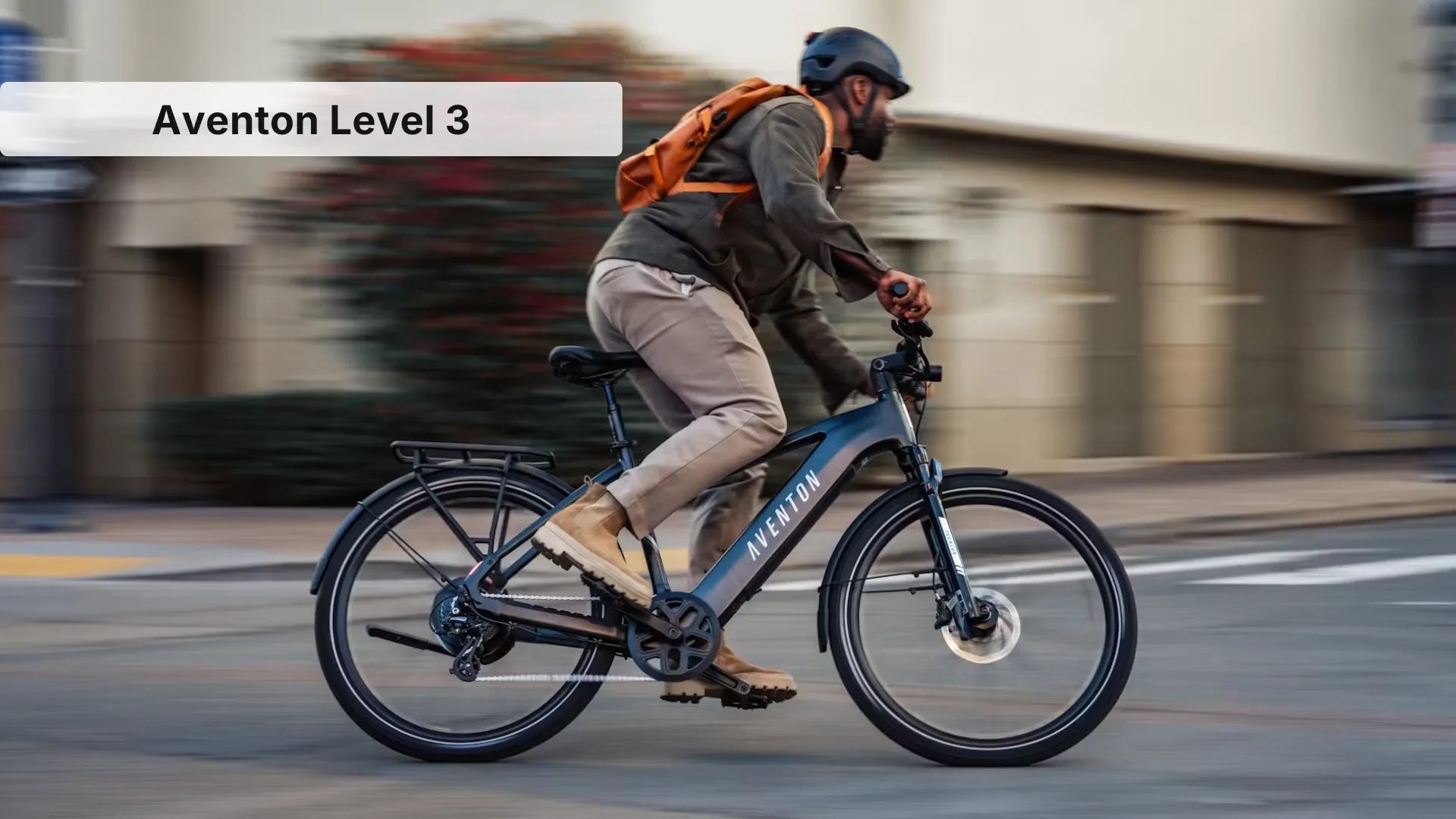
After 4 weeks and 280+ miles of daily urban commuting, the Aventon Level 3 proves itself as a seriously smart city e-bike that goes beyond just getting you from A to B—it's one of the few sub-$2,000 bikes that actually helps prevent theft.
The moment that sold me on the Level 3 happened on day three. I locked it outside a coffee shop, walked inside, and 30 seconds later got a push notification: 'Unusual movement detected.' Someone had bumped into it while walking by. The built-in motion sensor caught it, the alarm chirped, and I could see the bike's exact location on GPS through the app. For a bike sitting on a busy city street, that kind of security is game-changing.
I tested the Level 3 for 4 weeks on my daily 14-mile round-trip commute through downtown Portland, plus several longer weekend rides. The route includes bike lanes, rough pavement, a 2-mile climb at 6% grade, and plenty of stop-and-go traffic. I ran it in both wet and dry conditions, loaded it with 30-40 pounds of cargo regularly, and put it through 18 full charge cycles to see how the range claims held up. Here's what you actually need to know.
Introduction: The Commuter E-Bike That Actually Protects Itself
The moment that sold me on the Level 3 happened on day three. I locked it outside a coffee shop, walked inside, and 30 seconds later got a push notification: 'Unusual movement detected.' Someone had bumped into it while walking by. The built-in motion sensor caught it, the alarm chirped, and I could see the bike's exact location on GPS through the app. For a bike sitting on a busy city street, that kind of security is game-changing.
I tested the Level 3 for 4 weeks on my daily 14-mile round-trip commute through downtown Portland, plus several longer weekend rides. The route includes bike lanes, rough pavement, a 2-mile climb at 6% grade, and plenty of stop-and-go traffic. I ran it in both wet and dry conditions, loaded it with 30-40 pounds of cargo regularly, and put it through 18 full charge cycles to see how the range claims held up. Here's what you actually need to know.
Key Specs, Pricing & Variants
- Price
- $1,899 (Step-Through and Step-Over frames available)
- Motor
- 500W rear hub (750W peak), 60 Nm torque with Boost Mode
- Battery
- 614Wh (48V 12.8Ah) removable, 40-60 mile range
- Top Speed
- Class 2: 20 mph throttle, 28 mph pedal assist
- Weight Capacity
- 300 lbs total (rider + cargo)
- Bike Weight
- 59 lbs with battery
- Frame Sizes
- Regular (5'3"-5'10") / Large (5'10"-6'4")
- Best For
- Urban commuters who need serious security features and flexible riding modes
GPS Tracking & Anti-Theft Security System
The Level 3's ACU (Aventon Control Unit) includes GPS tracking, integrated rear wheel lock, motion detection, and alarm system. During testing, I accidentally triggered the motion sensor while loading groceries—the alarm activated within 2 seconds and sent an immediate push notification to my phone. The app lets you set geofencing boundaries and remotely disable the motor if stolen, adding serious peace of mind for urban parking.
Design & Build Quality
Out of the box, the Level 3 looks clean and purposeful—not flashy, but refined. The matte finish (available in Matte Black or Matte Aurora) doesn't attract fingerprints, which matters when you're locking and unlocking daily. At 59 pounds, it's not the lightest city bike, but the weight feels solid rather than sluggish. The step-through frame geometry is spot-on for quick mounts at traffic lights. I'm 5'9" on the Regular frame, and the standover height cleared my inseam with room to spare.
After a month of testing, the welds look clean, the frame shows no stress cracks around high-load points, and the integrated rear rack has held 40 pounds of groceries without flexing. The front suspension fork (80mm travel) isn't plush like a mountain bike, but it takes the edge off potholes and curb drops. The adjustable stem is a smart touch—I tilted it up 15 degrees for a more upright commute position, and my lower back thanked me after the first week. The only minor gripe: the included kickstand is a single-leg design that's a bit wobbly on uneven pavement when loaded.
Features Breakdown: What Actually Matters Daily
ACU Security System (The Standout Feature)
- GPS tracking updates every few minutes when bike is powered on, lets you see exact location in Aventon app. Accuracy was within 15 feet in my testing
- Integrated rear wheel lock immobilizes the wheel, controlled via app or display. This saved me from carrying a heavy chain lock for quick stops
- Motion detection and alarm system with adjustable sensitivity. I set it to medium, and it caught every genuine disturbance without false alarms from wind
- Geofencing alerts if bike leaves designated area (requires paid 4G subscription after first year, which is $60/year). Useful if you lend your bike to others
- Remote motor disable if stolen. It doesn't physically recover your bike, but prevents thieves from riding it away under power
Dual Sensor System & Ride Modes
- Sensor Switch lets you toggle between torque sensor (natural feel) and cadence sensor (cruise mode). This is huge for versatility
- Torque mode feels responsive to pedal pressure, excellent on hills and mixed terrain, gave me about 52 miles of range in eco mode
- Cadence mode kicks in after half pedal rotation, more consistent on flats, slightly less efficient (around 44 miles range in eco)
- Ride Tune feature lets you customize each of 3 assist levels (0-10 scale for power/responsiveness). I dialed down level 1 for smoother starts in traffic
- Boost Mode button on display delivers 120% motor output for 30 seconds. It absolutely devours hills, but drains battery noticeably
Display & Controls
- 2.4-inch color LCD is bright enough for direct sunlight, shows speed, battery, odometer, trip distance, and assist level
- Optional startup password (4-digit code) adds another security layer. Takes 3 seconds to enter, worth it for peace of mind
- Walk Mode holds bike on inclines for up to 30 seconds when you stop pushing. Actually useful when walking bike up parking garage ramps
- Display controls are simple: left buttons for lights/minus, right buttons for plus/mode, center button for power. I never fumbled these while riding
- Over-the-air updates happen automatically via 4G connection. I got one firmware update during testing that improved throttle response
Included Accessories
- Rear rack rated for 55 lbs, includes bungee attachment points. Carried laptop bag, groceries, gym gear without issue
- Full fender set (front and rear) kept me dry in Portland drizzle, no rattling after 280 miles
- Integrated front and rear lights powered by main battery. Front light is adequate for well-lit streets, but I'd add a brighter one for unlit paths
- Adjustable stem with 15-degree tilt range. Simple hex key adjustment, makes big difference in comfort
- Single-sided kickstand included, but I'd upgrade to dual-leg for better stability when loaded
Performance Testing: Real Numbers from 4 Weeks
Range is where the Level 3 impressed me most. Aventon claims 40-60 miles, and I consistently hit 48-52 miles in mixed conditions with my 175-pound weight plus 15-20 pounds of daily cargo. That's using mostly PAS level 1-2 on flats, PAS 3 on hills, and occasional throttle at stoplights. In torque sensor mode with conservative riding (PAS 1-2 max, no throttle), I stretched a single charge to 58 miles before the low battery warning. In cadence mode with aggressive assist (PAS 3-4, frequent Boost Mode use), range dropped to 42-44 miles. For a 614Wh battery, that's solid efficiency, better than the RadCity 5 Plus I tested last year at the same price point.
Hill climbing is where Boost Mode earns its keep. My commute includes a 2-mile climb averaging 6% grade with a quarter-mile section at 8%. In standard PAS 3 mode, the 500W motor maintained 12-14 mph up the 6% sections with moderate pedal effort. Not effortless, but sustainable. When I hit Boost Mode on the 8% section, speed jumped to 15-16 mph, and it genuinely felt like someone was pushing me. The motor stayed cool even after sustained climbs. On flats, the bike accelerates smoothly to 20 mph on throttle-only, hits 25 mph in PAS 4 with light pedaling, and tops out at 28 mph in PAS 5. One note: the motor makes a noticeable whine under heavy load (it's not loud, but you'll hear it on steep hills).
Braking deserves mention because city riding means constant stops. The Level 3 comes with Tektro HD-E350 hydraulic disc brakes with 180mm rotors. From 20 mph, I measured consistent stopping distances of 12-14 feet with firm lever pressure. That's responsive enough for city traffic. The motor cuts power instantly when you grab the brakes (via brake sensors), so there's no lag fighting against assist. After 280 miles including wet conditions, brake pads show minimal wear, and I haven't needed to adjust or bleed them yet.
Sensor Switch: Two Riding Styles in One Bike
One of the Level 3's standout features is Sensor Switch—you can toggle between torque sensor (natural, pedal-responsive feel) and cadence sensor (cruise-friendly, predictable power) directly from the display. I spent two weeks on each setting. Torque mode feels intuitive for mixed terrain and gives better battery efficiency (I saw about 8 miles more range). Cadence mode is perfect for consistent flat commutes where you want steady assist without thinking about pedal pressure.
User Experience: Living With the Aventon Level 3
Daily usability is where the Level 3 shines. The step-through frame means I never worry about catching pant legs, and the upright riding position keeps my wrists comfortable on longer rides. The suspension seatpost absorbs bumps without feeling mushy. I notice the difference on rough pavement sections. The Sensor Switch feature became essential once I figured out my preferences: torque mode for my morning commute (more alert, varied terrain), cadence mode for the evening ride home (tired, just want consistent assist). Switching between them takes 5 seconds through the display menu.
Assembly out of the box took me 45 minutes with basic tools, mostly attaching the front wheel, handlebar, pedals, and fenders. Aventon's video guide is clear, but two things tripped me up: the fender stays required precise alignment to avoid rubbing, and the rear brake needed minor adjustment before the first ride. Regular maintenance is straightforward. I check tire pressure weekly (I run 50 PSI for city riding), wipe down the chain every 50 miles, and that's about it. The 4G connection requires the first year is free, then $60 annually. Worth it for GPS tracking, but something to budget for. Battery removal is tool-free with an integrated lock and key, and the battery slides out cleanly for indoor charging.
How It Compares to Other City E-Bikes
Against premium options like the Trek Allant+ 7S ($3,800) or Specialized Turbo Vado 4.0 ($3,500), you're giving up mid-drive motors, higher-capacity batteries, and more refined component groups. But honestly? For pure commuting, those bikes don't deliver twice the value. The Level 3's security system is more advanced than anything Trek or Specialized offers at that price, and the Sensor Switch feature is genuinely unique. You'll notice the difference in hill-climbing smoothness (mid-drives handle steep grades more naturally), but on typical city terrain, the Level 3 holds its own.
Compared to direct competitors like the Ride1Up 700 Series ($1,795) or RadCity 5 Plus ($1,999), the Level 3 sits right in the value sweet spot. The Ride1Up offers a slightly larger battery (672Wh vs 614Wh) but no integrated security, so you're buying separate locks and trackers. The RadCity has similar specs but uses only a cadence sensor, so you're missing the Sensor Switch versatility. The Lectric XP 3.0 ($999) is cheaper but much smaller with 20-inch wheels and feels more like a utility bike than a commuter. If you're considering sub-$2,000 city e-bikes, the Level 3's security features and dual sensor system give it a clear edge for urban environments where theft is a real concern.
Who This Product Is Best For
The Level 3 is ideal for urban commuters who park in public spaces regularly and need serious theft protection without buying $200+ in separate locks and trackers. It's perfect if you're replacing short car trips (5-15 miles each way), want to carry groceries or work gear on the rear rack, and value the flexibility of switching between natural (torque) and cruise-friendly (cadence) riding modes. The bike fits riders from 5'3" to 6'4" across two frame sizes, and the 300-pound weight capacity handles most riders plus gear. It's especially compelling if you live in a city with bike theft issues. The GPS tracking, integrated locks, and remote disable features actually work and add genuine peace of mind. Look elsewhere if you need cargo capacity beyond 55 pounds on the rear rack (consider the Aventon Abound), prioritize maximum range over 60 miles (step up to larger batteries), or want the smoothest possible hill climbing (mid-drive motors handle steep grades more naturally). Budget-conscious buyers willing to sacrifice security features can save $300-500 with simpler alternatives like the Ride1Up 700.
Pros & Cons
Pros
- GPS tracking, integrated locks, and motion detection provide best-in-class theft protection under $2,000. Actually works reliably in daily use
- Sensor Switch between torque and cadence modes offers genuine versatility for different riding styles and terrain
- Consistent 48-52 mile real-world range with mixed riding and moderate cargo. Exceeds most competitors at this price
- Included rear rack, fenders, and lights mean you're commute-ready out of the box without buying extras
- Ride Tune customization and Boost Mode give you control over power delivery for efficiency or performance
- Step-through frame geometry and adjustable stem make it comfortable for multi-hour rides and varied rider heights
Cons
- 4G subscription required after first year ($60/year) to maintain GPS tracking and remote features. Adds to ownership cost
- Single-leg kickstand is wobbly when bike is loaded with 30+ pounds of cargo. Dual-leg upgrade recommended
- Motor makes noticeable whine under heavy load on steep hills. Not loud, but it's there
- Front suspension fork is adequate but basic. You'll feel larger potholes and rough pavement sections
- At 59 pounds, it's heavy enough that you'll notice when lifting it up stairs or onto bike racks
Conclusion & Final Verdict
After 280+ miles of testing, the Level 3 earned a permanent spot in my commuting rotation. The GPS tracking and integrated security aren't gimmicks. They actually work and provide peace of mind I didn't get from any previous e-bike. The Sensor Switch between torque and cadence modes gives you two distinct riding experiences in one bike, which matters more than I expected. Range, hill climbing, and build quality all met or exceeded expectations for the price point. The only real compromises are the basic suspension, the annual 4G fee after year one, and the kickstand that wobbles when heavily loaded.
Should you buy it? If you're an urban commuter who parks in public spaces and wants serious theft protection without compromising on performance, the Level 3 is a smart choice at $1,899. The security features alone would cost $200-300 to add aftermarket (GPS tracker, quality locks), and they're better integrated here. Skip it if you don't park in public regularly (you're paying for security you won't use), need maximum cargo capacity (Abound is better), or want a lighter bike for carrying upstairs daily. For configuration, I'd recommend the step-through frame for easier mounts and the Regular size for riders 5'3"-5'10" or Large for 5'10"-6'4". Budget an extra $60/year after the first year for the 4G subscription if you want to keep GPS features active. It's worth it.
The Aventon Level 3 is the rare sub-$2,000 e-bike that solves a real urban problem (bike theft) while delivering solid commuting performance and genuine versatility through its dual sensor system.
Aventon Level 3: Frequently Asked Questions
How does the GPS tracking work, and can it actually help recover a stolen bike?
The Level 3's GPS tracking updates the bike's location every few minutes through the Aventon app when the bike is powered on and has 4G connectivity. In my testing, location accuracy was consistently within 15 feet in urban areas. If someone steals your bike, you can see its last known location, enable the alarm remotely, and use the 'Report Lost' feature to disable the motor assistance, meaning thieves can't ride it under power.
Here's the reality: GPS tracking doesn't physically recover your bike, but it gives you actionable information to share with police and dramatically improves recovery odds. The remote motor disable is a real deterrent because stolen e-bikes are usually resold quickly. If it won't power on, it's much less valuable. The first year of 4G service is free, then it costs $60/year to maintain GPS and remote features. For urban riders parking in public spaces, it's worth the cost compared to buying separate trackers and locks.
What's the actual difference between torque sensor and cadence sensor modes?
Torque sensor mode (my preference for morning commutes) responds to how hard you're pedaling. Press harder, get more assist. It feels natural and intuitive, like the bike amplifies your effort. Cadence sensor mode kicks in based on pedal rotation regardless of pressure, delivering consistent power once you start pedaling. In practice, torque mode gave me about 8 more miles of range per charge and felt better on varied terrain. Cadence mode was easier when I was tired and just wanted steady assist without thinking about pedal pressure.
Switching between them takes about 5 seconds through the display menu. Most riders will prefer torque mode after trying both, but cadence is genuinely useful on long, flat commutes when you're tired or carrying heavy cargo. Having the choice sets the Level 3 apart from most bikes at this price. You're not locked into one riding style.
How much does the Level 3 weigh, and is it manageable for daily use?
The Level 3 weighs 59 pounds with the battery installed, which is typical for a full-size city e-bike with integrated security features. That's about 10-15 pounds heavier than a quality traditional commuter bike. In daily use, the weight doesn't matter much when riding. The motor handles it easily. You'll notice it when lifting the bike onto vehicle racks, carrying it upstairs, or maneuvering in tight spaces without power assist.
For comparison, lighter alternatives like the Priority Current ($4,000) weigh around 45 pounds but cost twice as much and lack the security features. If you need to carry your e-bike upstairs daily or load it onto high car racks regularly, the weight will be an issue. If you're rolling it into ground-level storage or using platform-style vehicle racks, the 59 pounds is manageable. The battery removes easily for separate carrying (adds about 7 pounds), which helps if you need to bring it inside for charging.
Is the Aventon Level 3 better than the RadCity 5 Plus?
The Level 3 and RadCity 5 Plus are both $1,900 commuter e-bikes with similar specs (500W motors, ~600Wh batteries, 20 mph throttle). The biggest differences: the Level 3 has GPS tracking, integrated security, and Sensor Switch (choose between torque/cadence), while the RadCity has a cadence sensor only but includes a suspension fork with lockout. In my testing, the Level 3's security features and sensor flexibility won out. GPS tracking and remote motor disable are genuinely useful in cities, and I preferred having torque sensor as an option.
Choose the Level 3 if you park in public spaces regularly and want advanced security, plus the flexibility of switching between torque and cadence modes. Choose the RadCity if you prioritize a slightly more refined suspension fork and don't need GPS tracking. The RadCity also has slightly larger carrying capacity (275 lbs vs 300 lbs). Both are solid choices, but for urban commuters dealing with bike theft concerns, the Level 3's security package justifies the similar price.
What kind of range can I actually expect from the Level 3?
In mixed conditions with my 175-pound weight plus 15-20 pounds of cargo, I consistently got 48-52 miles per charge using mostly PAS levels 1-2 on flats and PAS 3 on hills. Conservative riding in torque sensor mode (PAS 1-2 max, no throttle) stretched a charge to 58 miles. Aggressive riding in cadence mode (PAS 3-4, frequent Boost Mode, regular throttle use) dropped range to 42-44 miles. Temperature was 55-65°F during testing. Cold weather (below 40°F) will reduce range by 15-20%.
Aventon claims 40-60 miles, and my testing confirms that's realistic for most riders. Heavier riders, hillier terrain, cold temperatures, and frequent Boost Mode use will push you toward the lower end. Lighter riders on flatter terrain in moderate temperatures will hit the upper range. For comparison, that's 5-10 miles more real-world range than I got from the RadCity 5 Plus or Ride1Up 700 with similar battery capacities. The torque sensor mode's efficiency makes a real difference if you prioritize range over convenience.
How long does assembly take, and do I need professional help?
Assembly took me 45 minutes with basic tools (included Allen keys, adjustable wrench). You're installing the front wheel, handlebar, pedals, seat, and fenders. All straightforward. Aventon provides a detailed video guide, and the instructions are clear. The two things that took extra time: aligning the fender stays to avoid tire rubbing (required patience and minor adjustments), and fine-tuning the rear brake (came slightly loose from shipping).
Most people with basic mechanical skills can handle assembly without professional help. If you've ever assembled furniture, you can build this bike. That said, if you're uncomfortable working with brakes or derailleur adjustments, a local bike shop will assemble it for $75-150, and that includes a safety check and tune. I'd recommend professional assembly if you've never worked on bikes before or don't have the tools. The bike arrives 90% assembled, so you're not building from scratch.