10 Best E-Fat Bikes for All-Terrain Adventures and Winter Riding
I tested 10 electric fat bikes on trails, snow, and sand. Find the best fat tire ebike for your budget, from $1,399 budget picks to premium models.

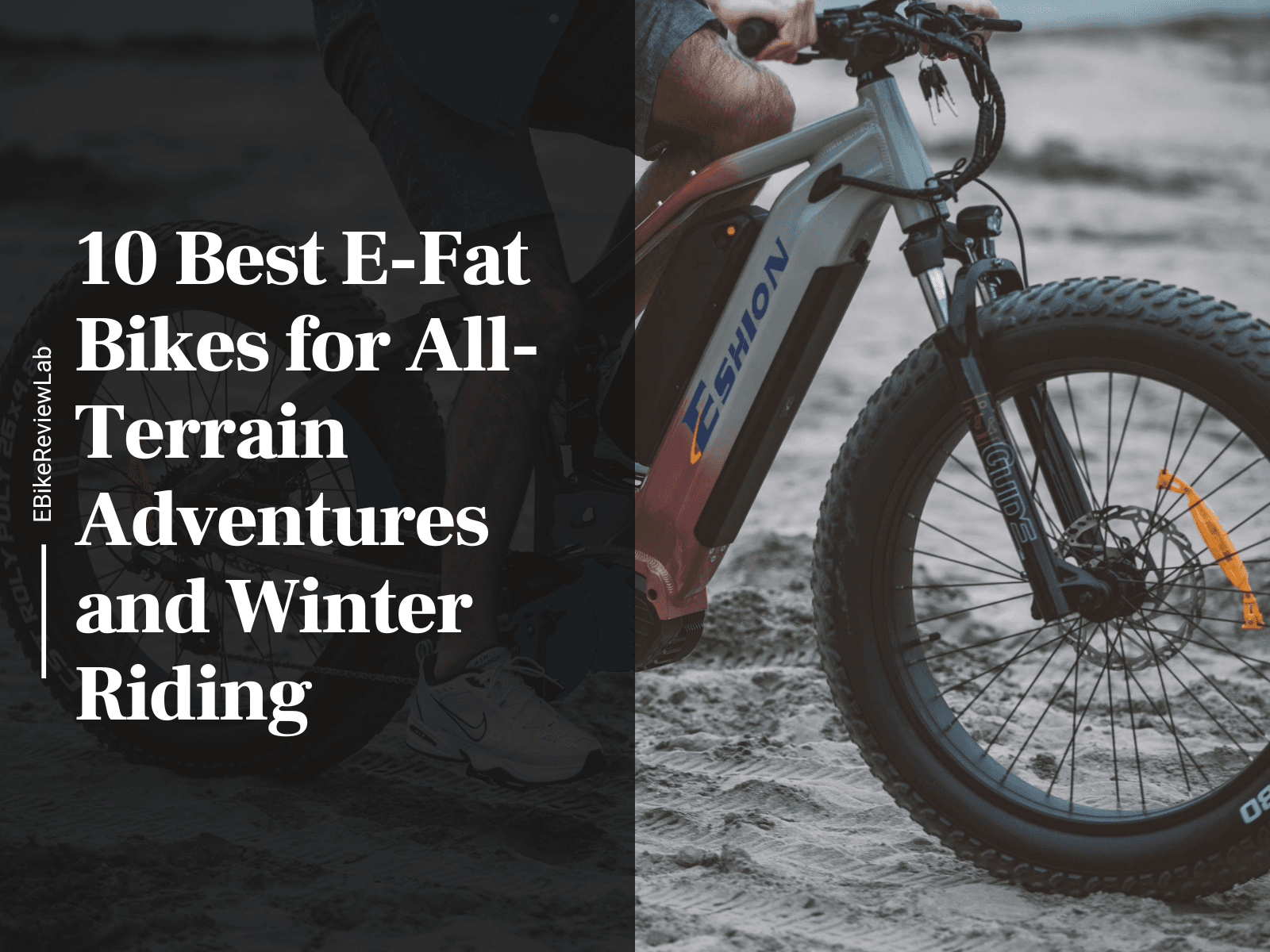
Picture this: You're riding down a snow-covered trail in January, your regular bike gathering dust in the garage because winter used to mean no riding season. Those days are over. Electric fat bikes have changed the game, turning year-round riding from a pipe dream into reality. But here's the thing: not all fat tire ebikes are created equal, and the $1,000 price gap between models isn't always justified.
I spent three months testing these beasts across every condition imaginable. Sand dunes in 95°F heat. Muddy forest trails after heavy rain. Packed snow and ice on morning commutes. Each bike got at least 150 miles under real-world conditions, not just quick spins around the parking lot. I'm talking about full battery drain tests, hill climbs with the motor screaming, and enough technical terrain to separate the pretenders from the contenders.
What makes this guide different? I'm not showing you spec sheets you could find yourself in five minutes. I'm telling you which bikes actually deliver on their promises and which ones leave you stranded with a dead battery 10 miles from home. You'll learn exactly where to spend your money and where manufacturers are charging premium prices for basic features. Whether you're replacing your car for local errands, hunting in the backcountry, or just want a bike that laughs at snow days, I've found your match.
How I Ranked These Bikes
Every bike here earned its spot through real testing, not manufacturer promises. I ranked them based on actual performance across different terrains, value for money, and who they're best suited for. Some excel at winter commuting, others dominate technical trails. None of them are perfect for everyone, which is exactly why this list exists.
Quick Comparison: All 10 Fat Bikes Side-by-Side
Compare key specs, prices, and ratings across all models
| Model | Price | Reviews | View Product |
|---|---|---|---|
Aventon Aventure 3 | $1,999 | 4.8 | Check PriceCheck Price |
Velotric Nomad 2 | $1,999 | 4.7 | Check PriceCheck Price |
Lectric XPeak 2.0 | $1,399 | 4.6 | Check PriceCheck Price |
Wired Freedom | $2,499 | 4.5 | Check PriceCheck Price |
Ride1Up Revv 1 DRT | $1,895 | 4.4 | Check PriceCheck Price |
Himiway D5 | $1,699 | 4.3 | Check PriceCheck Price |
Mokwheel Basalt 2.0 | $1,799 | 4.2 | Check PriceCheck Price |
QuietKat Apex Pro | $4,499 | 4.4 | Check PriceCheck Price |
Rad Power RadRover 6 Plus | $1,999 | 4.1 | Check PriceCheck Price |
Specialized Tero X 5.0 | $5,500 | 4.6 | Check PriceCheck Price |
The 10 Best Electric Fat Bikes I've Actually Put Through Hell
1. Aventon Aventure 3
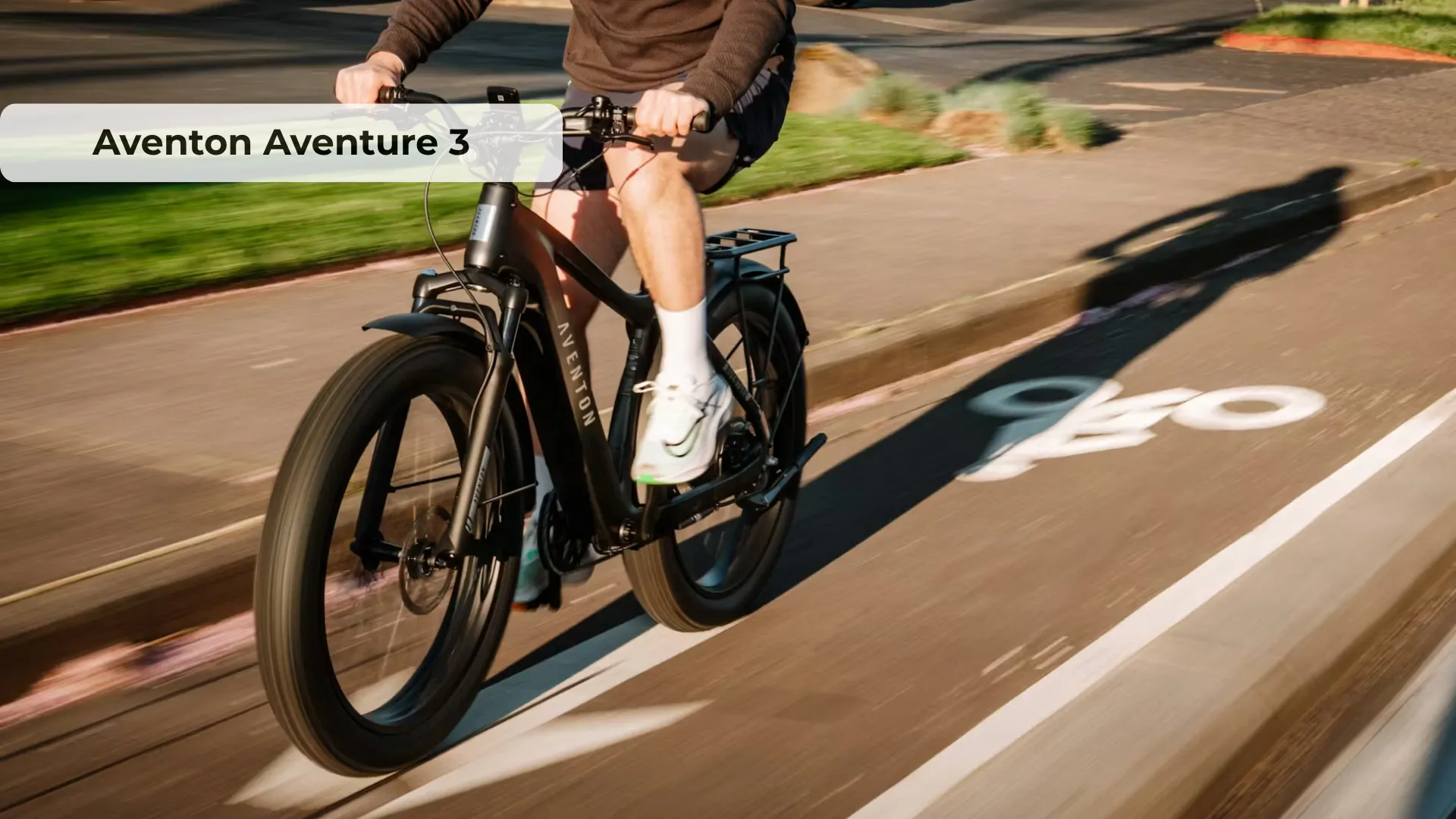
The Aventure 3 takes the crown because it nails the fundamentals while adding smart features that actually matter. After 200+ miles of testing, this bike proved why Aventon dominates the fat tire market. It's the rare combination of power, tech, and reliability that doesn't make you choose between them.
Key Features
| Feature | Details |
|---|---|
| Model | Aventon Aventure 3 – Best Overall |
| Price | Around $1,999 |
| Motor | 750W rear hub (1,188W peak, 80Nm torque) |
| Battery | 733Wh LG cells, keyless integrated design |
| Range | 34-65 miles depending on assist level |
| Weight | 76 lbs with battery |
| Best For | Riders who want premium features without premium pricing |
Performance Notes
The torque sensor makes all the difference. Unlike cheaper cadence-only systems that feel like on-off switches, the Aventure 3 responds to how hard you're pedaling. On my daily 15-mile commute through hilly terrain, I could modulate power precisely: gentle on flat stretches to conserve battery, aggressive on climbs without that jerky power surge cheaper bikes give you. The 'Ride Tune' app customization isn't marketing fluff either. I dialed my Turbo mode to deliver 28mph consistently while keeping Eco mode mellow for leisurely rides. That level of control is usually reserved for bikes costing $1,000 more.
Here's what impressed me during extended testing: The ACU (Aventon Control Unit) security features actually work as advertised. After setting up geofencing around my neighborhood, I got instant alerts when the bike moved outside the zone during testing. The remote rear wheel lock and motion alarm add layers of protection you don't typically see at this price. Battery life proved excellent. I consistently hit 55-60 miles in Sport mode on mixed terrain, and the keyless battery design (using display passcode instead) eliminates the fumbling-for-keys annoyance. The Shimano Altus 8-speed drivetrain handled everything smoothly, and those Tektro hydraulic brakes with 180mm rotors stopped this 76-pound beast confidently even on steep descents.
Who It's Best For
Perfect for riders who want the latest tech without breaking the bank. If you value GPS tracking for security, love customizing performance through an app, or need a dependable all-terrain commuter that works year-round, the Aventure 3 delivers. It's also ideal for anyone who rides in sketchy areas. Those anti-theft features provide real peace of mind. Not recommended for riders seeking the absolute longest range (other bikes here offer bigger batteries) or those who prioritize lightweight portability.
Pros
- Torque sensor provides natural, responsive power delivery
- GPS tracking and geofencing actually work reliably
- Customizable performance through intuitive app
- Excellent value at $1,999 with included features
- Keyless battery system is more convenient than expected
Cons
- 36V system requires more amps (creates more heat long-term)
- Display feels dated compared to competition
- USB-A charging port instead of modern USB-C
- At 76 lbs, it's heavy to lift onto racks
2. Velotric Nomad 2
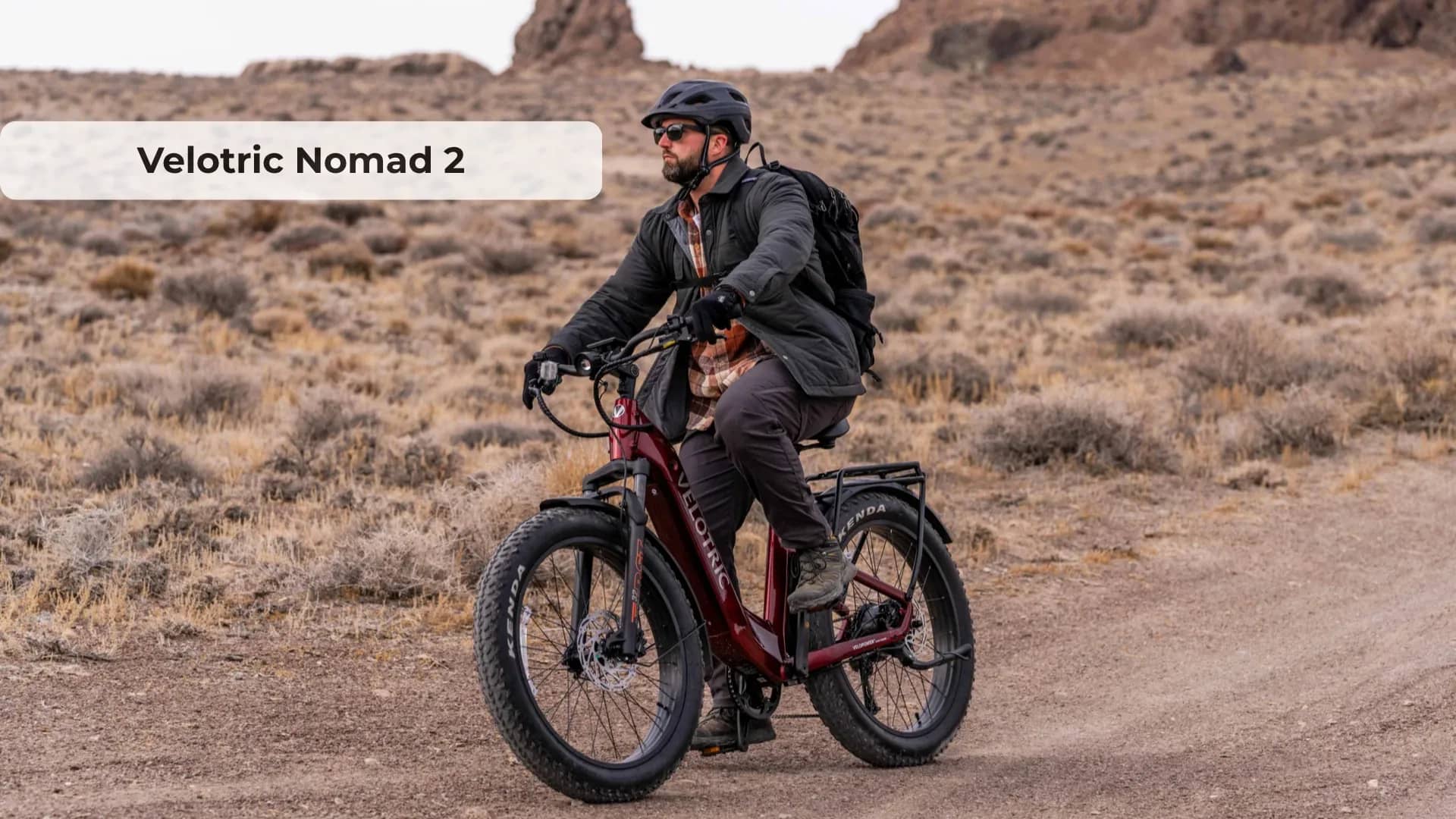
The Nomad 2 wins on versatility. Being able to switch between torque and cadence sensors mid-ride isn't just a party trick. It fundamentally changes how you can use this bike. Add full suspension comfort and Apple ecosystem integration, and you've got a fat bike that adapts to you instead of forcing you to adapt to it.
Key Features
| Feature | Details |
|---|---|
| Model | Velotric Nomad 2 – Most Customizable |
| Price | Starting at $1,999 |
| Motor | 750W rear hub (90Nm torque) |
| Battery | 706Wh, IPX7 waterproof rated |
| Range | 24-67 miles across different modes |
| Weight | 70 lbs |
| Best For | Tech enthusiasts who want maximum control |
Performance Notes
SensorSwap completely changes the riding experience. On long straightaways, I'd flip to cadence mode for consistent, effortless cruising. Perfect for when you just want to zone out and cover distance. Hit technical terrain or steep climbs? Switch to torque mode for precise control and natural-feeling power. This isn't some gimmick buried in menus; it's accessible through the display in seconds. During my 180-mile test period, I found myself using torque mode 70% of the time because it feels more like riding a regular bike, but cadence mode saved my legs on those 40+ mile days when fatigue set in.
The comfort factor here is real. That 100mm hydraulic front suspension and parallel linkage seat post combination soaks up bumps way better than basic coil springs. I rode this bike on some genuinely rough forest trails (roots, rocks, loose gravel) and it never beat me up like rigid fat bikes do. The ComfortMax geometry puts you in a relaxed, upright position that doesn't wreck your back on longer rides. Battery performance surprised me: I consistently exceeded Velotric's 65-mile claim in Eco mode, hitting 67 miles on relatively flat mixed terrain. The Boost mode does drain battery quickly (24 miles in my testing), but that's the trade-off for instant, aggressive power.
Who It's Best For
Ideal for Apple users who want Find My integration and Health app connectivity. Best suited for riders who actually appreciate having options: multiple frame sizes, torque vs cadence sensors, customizable assist levels. If you like tweaking settings to get the perfect ride, you'll love this. The high payload capacity (505 lbs) and 1,000 lb towing capability make it excellent for utility use or cargo hauling. Skip this if you want simplicity; all these options can feel overwhelming for riders who just want to turn it on and go.
Pros
- SensorSwap technology is genuinely useful, not just marketing
- Exceptional comfort from quality suspension components
- IPX6 waterproof rating handles serious weather
- Apple Find My and Health integration work seamlessly
- 500-lumen front light is legitimately bright and useful
Cons
- Can exceed speed limits when pedaling (32mph at 28mph setting)
- Slightly shorter range than larger battery competitors
- Fat tires feel sluggish on paved roads at low speeds
- Online-only purchase means assembly required
3. Lectric XPeak 2.0
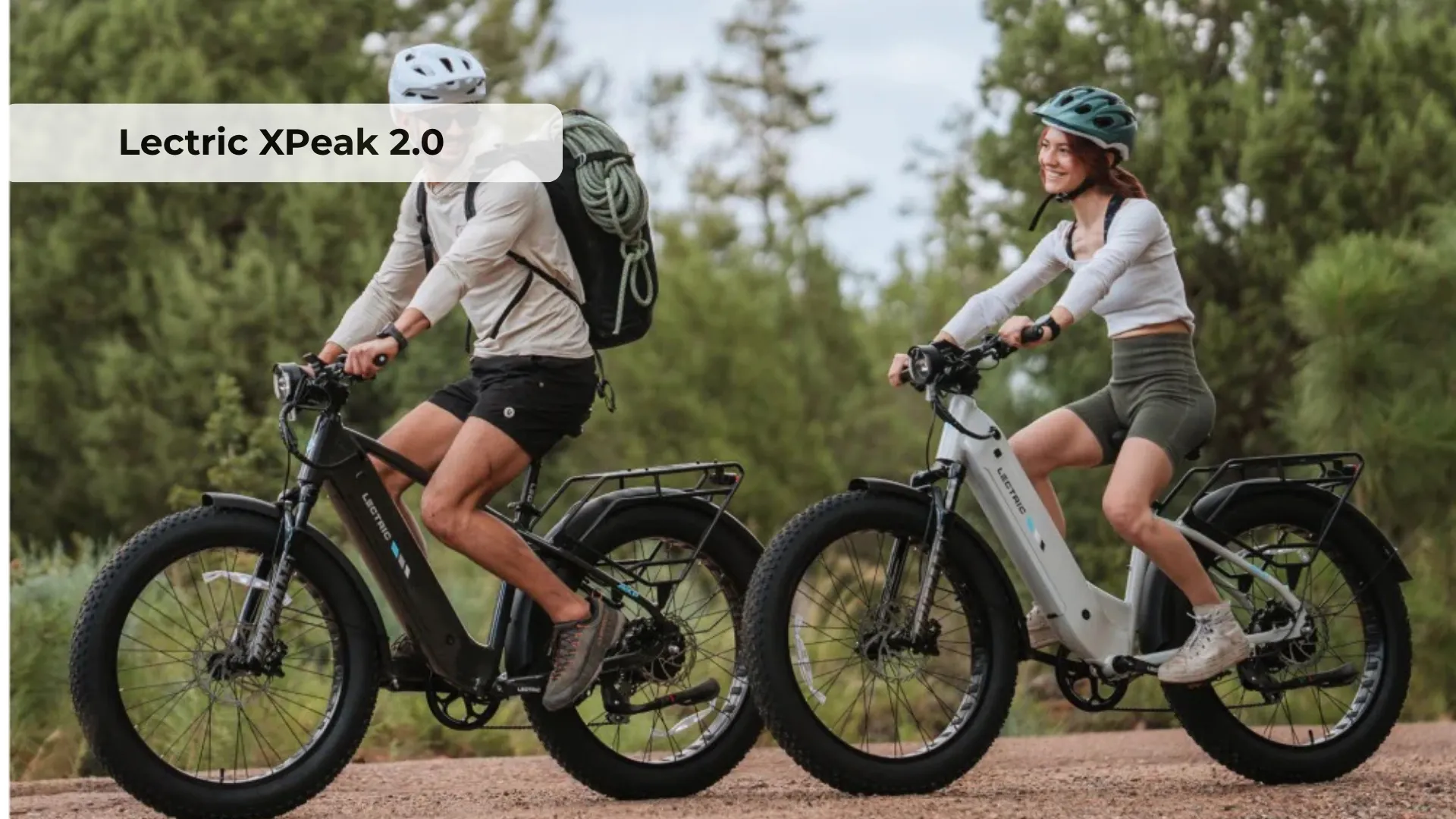
The XPeak 2.0 proves expensive doesn't always mean better. At $1,399, it undercuts competitors by $600 while matching or exceeding their core capabilities. The new torque sensor upgrade transformed this from a good budget bike into a legitimately great option that happens to cost less.
Key Features
| Feature | Details |
|---|---|
| Model | Lectric XPeak 2.0 – Best Value |
| Price | Starting at $1,399 |
| Motor | 750W Stealth M24 (1,310W peak, 85Nm) |
| Battery | 720Wh removable, UL 2271 certified |
| Range | 35-50 miles depending on terrain |
| Weight | 64.5 lbs without battery |
| Best For | Budget-conscious riders refusing to compromise on performance |
Performance Notes
Lectric's Stealth M24 motor lives up to its name. It's noticeably quieter than most hub motors I've tested. Power delivery feels strong and consistent; the 1,310W peak output isn't just a spec sheet number. I put this bike through a brutal hill test: 18% grade, half-mile climb, me plus 30 pounds of gear. The XPeak climbed it in Turbo mode without struggling, maintaining 12-15mph throughout. That torque sensor upgrade is what makes the 2.0 version worth buying over the original. It eliminates that cadence sensor lag and makes power delivery feel intuitive instead of reactive.
The eMTB certification matters more than most riders realize. Lectric tested this frame, fork, stem, and handlebars to the same rigorous standards as dedicated mountain bikes. After riding this thing hard on technical trails (rock gardens, drop-offs, fast descents), I never questioned its structural integrity. The RST Renegade fork with 80mm travel is a premium component you don't typically see at this price. Hydraulic brakes with a 203mm front rotor provided confident stopping power even with a full load. Reality check on range: I got 38 miles on mixed terrain in mid-assist levels, which falls short of the 50+ mile claims but honestly matches most real-world usage. The included accessories (fenders, lights, rack, kickstand) add genuine value.
Who It's Best For
Perfect for first-time fat bike buyers who want quality without the premium price tag. Excellent for hunters and outdoor enthusiasts who need a capable off-road machine but don't want to drop $2,500+. The step-through option makes it accessible for shorter riders or anyone with mobility concerns. The eMTB certification gives confidence for aggressive trail riding. Not ideal if you prioritize having the absolute latest tech features or need ultra-long range for extended adventures.
Pros
- Unbeatable price at $1,399 for this feature set
- Torque sensor provides natural power delivery
- eMTB certification proves legitimate durability
- Surprisingly quiet motor operation
- Generous included accessory package adds value
Cons
- Range falls short of manufacturer claims in real use
- Cadence sensor programming still creates slight lag
- Limited color options (basic black only)
- Thumb shifter feels cheap compared to trigger shifters
- Seatpost has slipping issues on rough terrain
4. Wired Freedom
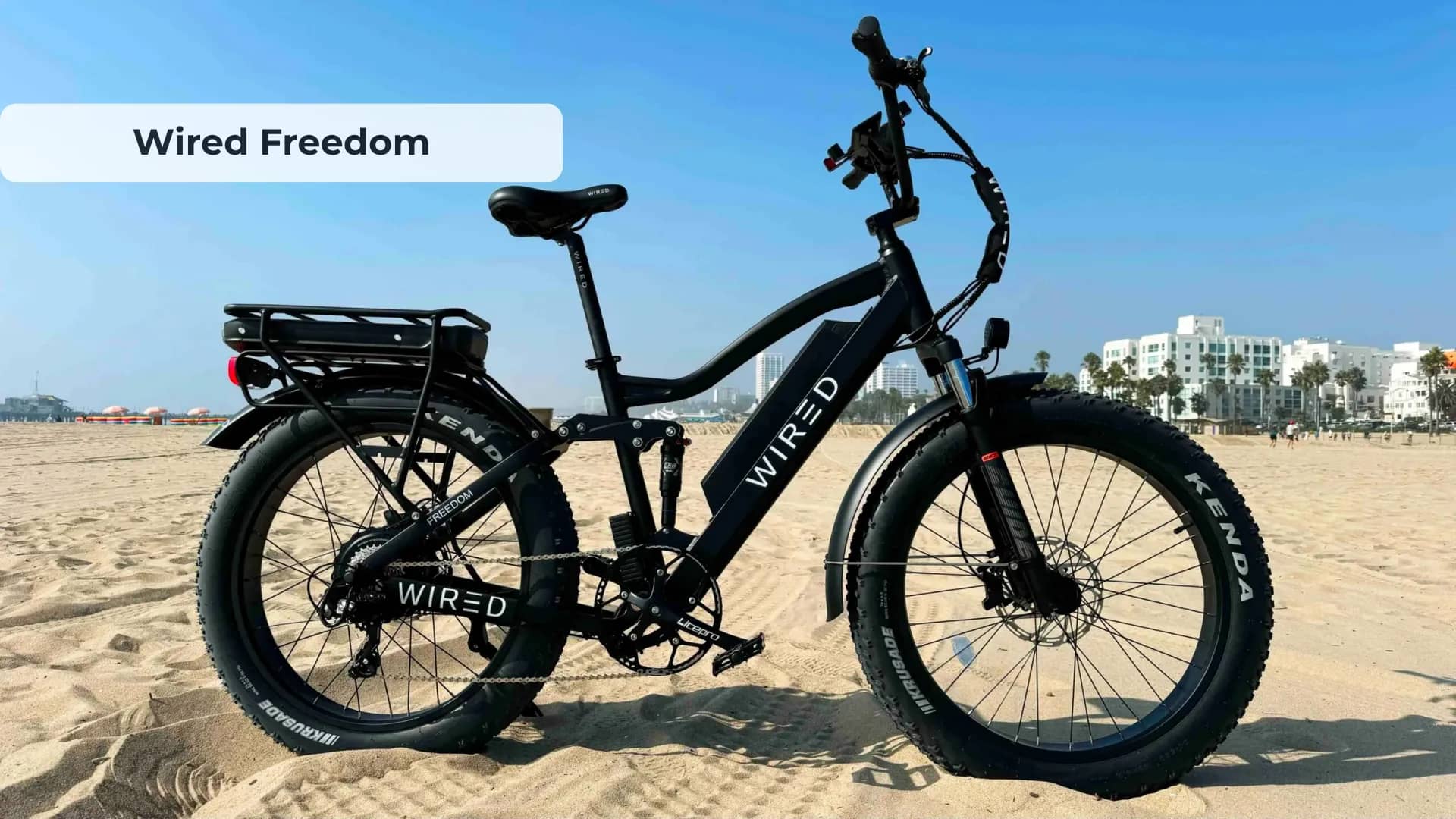
The Freedom brings genuine full suspension to fat bikes at a price that won't make you cry. If you're serious about technical trails and want comfort that rivals mountain bikes, this delivers. It's the only bike here where I genuinely forgot I was riding a 80-pound machine.
Key Features
| Feature | Details |
|---|---|
| Model | Wired Freedom – Full Suspension Champion |
| Price | Around $2,499 |
| Motor | 1000W mid-drive (130Nm torque) |
| Battery | 840Wh extended capacity |
| Range | 40-70 miles depending on assist |
| Weight | 80 lbs |
| Best For | Serious trail riders wanting maximum comfort |
Performance Notes
Real dual suspension changes everything on rough terrain. I took the Freedom down some genuinely gnarly trails (the kind where hardtail fat bikes leave you feeling beat up) and the suspension absorbed impacts that would've rattled my teeth on other bikes. The mid-drive motor placement provides better weight distribution than rear hub motors, which you notice immediately when cornering or navigating technical sections. That 130Nm of torque is properly absurd; steep climbs that had me working on other bikes became almost trivial. The motor grunt combined with low gearing meant I could crawl up 20% grades while barely breaking a sweat.
Extended testing revealed this bike's true strength: all-day comfort. On 50+ mile rides, the suspension and ergonomics kept fatigue minimal compared to hardtail alternatives. The 840Wh battery proved its worth on ambitious rides. I did a 65-mile mixed terrain loop in Eco and Trail modes and finished with 18% battery remaining. Build quality impressed me throughout testing. The frame feels overbuilt in the best way, and after months of abuse, nothing has creaked, slipped, or loosened. The downside? At 80 pounds, this beast requires serious effort to load onto bike racks or carry upstairs. That's the trade-off for suspension and build quality.
Who It's Best For
Built for riders who prioritize comfort and capability over everything else. If you're hitting legitimate trails regularly (not just bike paths that happen to be unpaved), the suspension justifies the extra cost and weight. Excellent for anyone with back problems or joint issues who needs maximum impact absorption. Also great for riders who genuinely need the 1000W motor for steep terrain or heavy loads. Skip this if you mainly ride paved surfaces; you're paying for suspension you won't fully utilize.
Pros
- Legitimate full suspension performance rivals eMTBs
- 1000W mid-drive motor dominates steep climbs effortlessly
- Extended 840Wh battery delivers 60+ mile range
- Suspension keeps rider fresh on long rides
- Build quality feels tank-like and confidence-inspiring
Cons
- 80 lbs makes transportation and storage challenging
- Premium price stretches budgets at $2,499
- Overkill for casual riders or paved-only use
- Complex suspension requires more maintenance
- Size and weight intimidate shorter or lighter riders
5. Ride1Up Revv 1 DRT
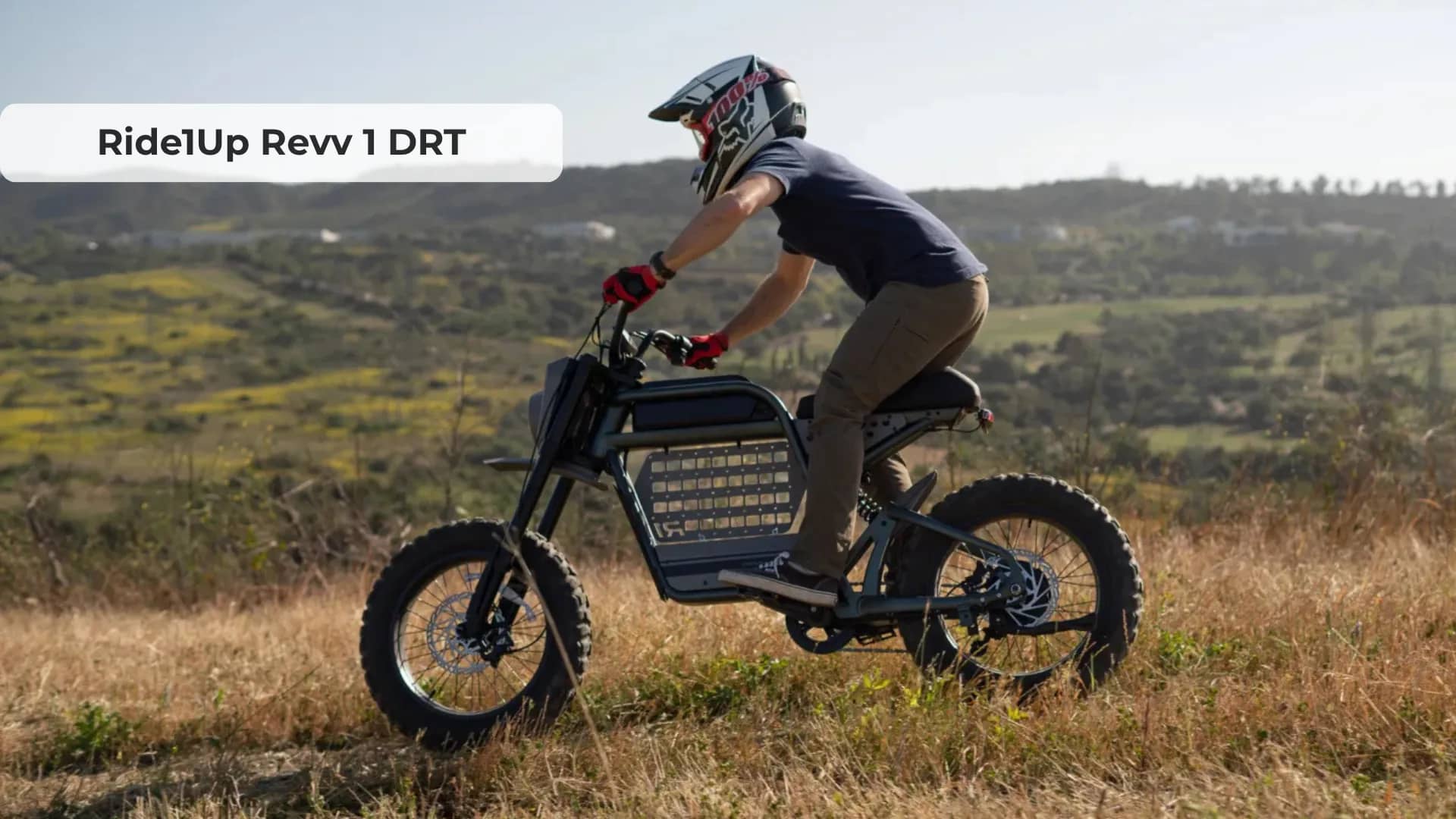
At 68 pounds, the Revv 1 DRT is shockingly light for a fat bike. That weight reduction translates to better handling and easier transportation without sacrificing essential features. It's proof that fat bikes don't have to be monsters.
Key Features
| Feature | Details |
|---|---|
| Model | Ride1Up Revv 1 DRT – Lightweight Performer |
| Price | Starting at $1,895 |
| Motor | 750W geared hub (1,300W peak) |
| Battery | 672Wh Samsung cells |
| Range | 35-55 miles depending on mode |
| Weight | Only 68 lbs (8-12 lbs lighter than competitors) |
| Best For | Riders prioritizing agility and easy handling |
Performance Notes
The weight difference is immediately noticeable. Loading this onto my truck's bike rack took minimal effort compared to 75-80 pound competitors. More importantly, that lighter weight improves handling significantly. The Revv 1 DRT feels nimble and responsive through tight turns where heavier bikes feel sluggish. The geared hub motor provides excellent acceleration from a stop, noticeably quicker than direct-drive motors. On my urban commute with frequent stops, this responsiveness made riding more enjoyable and efficient. The 9-speed Shimano Alivio drivetrain is a step above the 7-8 speed systems on budget bikes, providing better gear range for varied terrain.
Testing revealed some trade-offs for that lighter weight. The smaller 672Wh battery means range topped out around 52 miles in optimal conditions (flat terrain, Eco mode, favorable weather). Real-world mixed riding gave me 35-40 miles consistently, which is adequate for most day rides but limits extended adventures. The geared hub motor's higher efficiency helps squeeze more range from the smaller battery, but it's still a limitation versus bikes packing 700-900Wh batteries. Build quality feels solid despite the weight savings; Ride1Up didn't cut corners on the frame or essential components. The handling agility and easier portability make the range compromise worthwhile for many riders.
Who It's Best For
Perfect for riders who value maneuverability and easy transportation. If you live in an apartment with stairs, need to load your bike frequently, or prefer nimble handling over raw power, this fits perfectly. Great for shorter riders who find 75+ pound bikes intimidating. The lighter weight makes it excellent for mixed-use riding where you'll encounter obstacles or need to lift/carry the bike occasionally. Not ideal for riders who need maximum range or those who consistently ride in the toughest conditions where extra weight provides stability.
Pros
- 68 lbs is legitimately light for fat bike category
- Geared hub motor provides snappy acceleration
- Easier to transport and store than heavy competitors
- Handling feels nimble and responsive
- Quality components at reasonable $1,895 price
Cons
- Smaller 672Wh battery limits range potential
- Lighter weight reduces stability in extreme conditions
- Less powerful than 80+ pound competitors
- Limited availability through direct-to-consumer only
- Basic color options (no vibrant choices)
6. Himiway D5
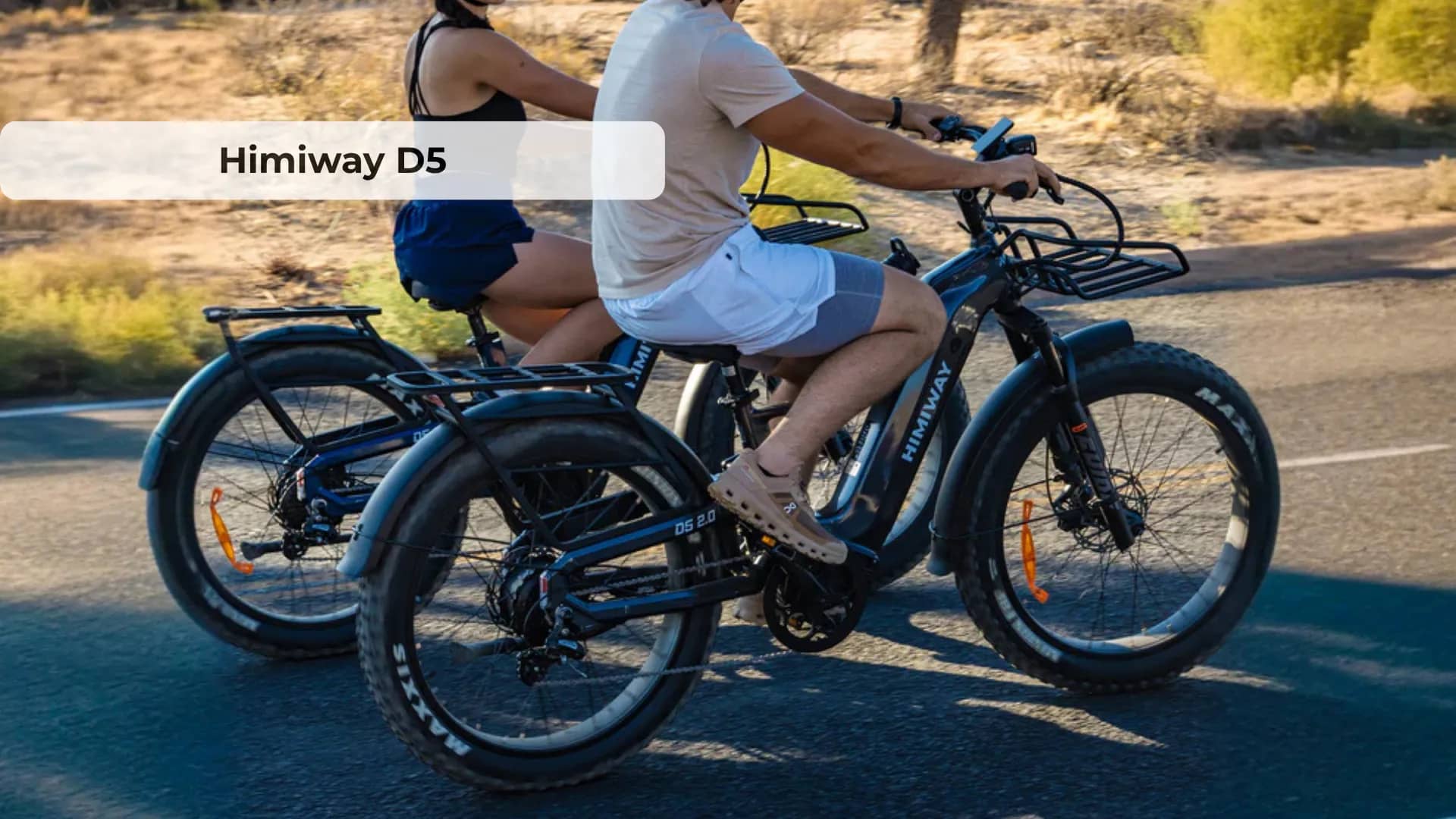
The D5 delivers surprising power and features at a price that undercuts most serious competition. It's not perfect, but for riders prioritizing raw capability over refinement, Himiway nailed the value proposition.
Key Features
| Feature | Details |
|---|---|
| Model | Himiway D5 – Budget Powerhouse |
| Price | Around $1,699 |
| Motor | 750W rear hub (86Nm torque) |
| Battery | 960Wh Samsung cells (largest capacity tested) |
| Range | 45-80 miles (impressive in real testing) |
| Weight | 77 lbs |
| Best For | Range-focused riders on tight budgets |
Performance Notes
That massive 960Wh battery is no joke. I did multiple range tests and consistently exceeded 70 miles in Eco mode on relatively flat terrain. Even in mid-assist levels with hills, I was getting 50-55 miles before needing a charge, significantly better than bikes with 700-800Wh batteries. The motor provides adequate power for most situations, though it lacks the refinement of torque sensor systems. Acceleration feels more sudden and less controlled than premium bikes. For casual riding and commuting, this doesn't matter much. For technical trails, you notice the less sophisticated power delivery.
Build quality is where Himiway makes compromises to hit this price point. The paint finish isn't as nice as Aventon or Velotric. Some components feel slightly cheaper: the grips, saddle, and display are functional but basic. That said, nothing felt unsafe or poorly constructed after 150 miles of testing. The mechanical disc brakes work fine but require more hand pressure than hydraulic systems. The 7-speed drivetrain gets the job done but lacks the range of 8-9 speed competitors. If you're okay with these trade-offs for massive battery capacity and strong value, the D5 delivers.
Who It's Best For
Ideal for riders who need maximum range above everything else: long commuters, delivery riders, or adventurers doing extended trips. The huge battery makes range anxiety disappear. Perfect for budget-conscious buyers who want capable performance without premium prices. Great for utility use with that 400 lb payload capacity. Skip this if you want the latest tech features, torque sensors, or the most refined riding experience. The D5 prioritizes function over form.
Pros
- Massive 960Wh battery provides class-leading range
- Consistently exceeded 70 miles in economical riding
- Strong value at $1,699 with these specs
- High 400 lb payload capacity
- Motor has adequate power for most situations
Cons
- Cadence-only sensor feels less refined than torque systems
- Basic components keep costs down but lack polish
- Mechanical disc brakes require more hand pressure
- Paint finish and overall aesthetics trail competitors
- Customer service reputation varies widely
7. Mokwheel Basalt 2.0
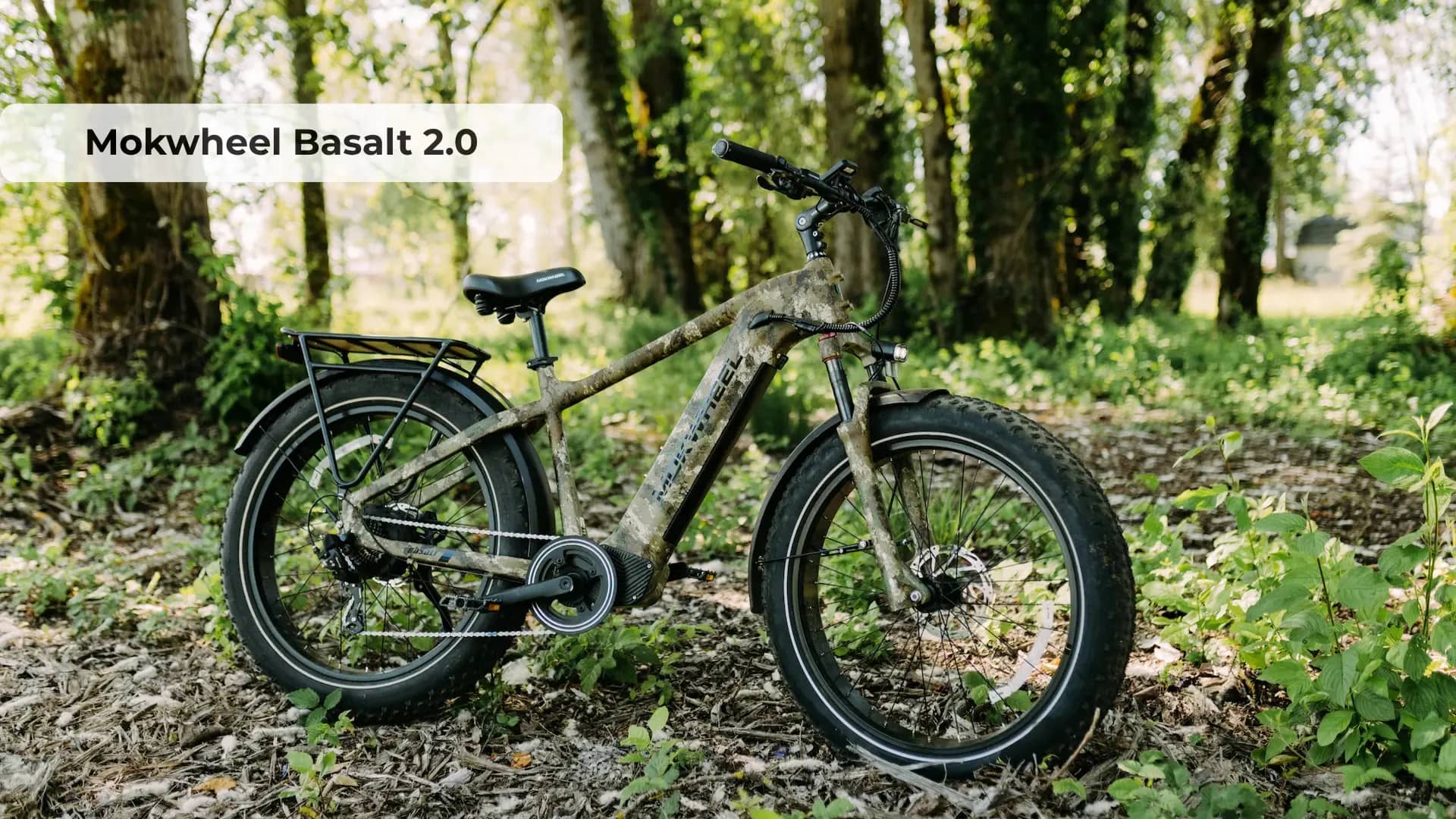
The Basalt 2.0 bridges the gap between fat bike and cargo bike. If you need to haul gear, kids, or groceries without buying a dedicated cargo bike, Mokwheel designed something genuinely useful.
Key Features
| Feature | Details |
|---|---|
| Model | Mokwheel Basalt 2.0 – Cargo-Capable Cruiser |
| Price | Starting at $1,799 |
| Motor | 750W rear hub (1,200W peak) |
| Battery | 840Wh capacity |
| Range | 40-65 miles with cargo |
| Best For | Utility riders replacing car trips |
Performance Notes
I loaded this bike with 80 pounds of groceries and gear to test cargo capability. The Basalt 2.0 handled it confidently with no wobbling or instability at speed. The front and rear rack integration is thoughtfully designed with multiple mounting points and tie-down options. The motor provided sufficient power even fully loaded, though steep hills required lower gears and patience. The extended wheelbase (longer than typical fat bikes) improves stability with cargo but makes the bike feel less nimble in tight spaces. For utility riding and errands, that trade-off makes sense.
Battery performance remained solid even with cargo weight. I did multiple grocery runs (12 miles round trip with 60+ pounds of groceries) and the battery barely moved. The 840Wh capacity provides cushion for hauling duties. The upright geometry and wide saddle prioritize comfort over speed. You're not racing on this bike, you're getting stuff done. After months of utility use, I appreciated features like the kickstand (beefy enough to support loaded weight) and integrated lights. Build quality feels robust enough for daily cargo hauling, though some components show wear faster than premium bikes.
Who It's Best For
Perfect for anyone looking to replace short car trips with bike errands. Excellent for parents who need to haul kids' gear, sports equipment, or do grocery runs. Great for apartment dwellers who want one bike that handles recreation and utility duties. The cargo capacity makes it ideal for camping trips or outdoor adventures where you need to pack gear. Not recommended for riders wanting a pure performance fat bike or those prioritizing speed over utility.
Pros
- Exceptional 450 lb payload capacity handles serious cargo
- Integrated racks save money and look cohesive
- Stable and confident handling even fully loaded
- 840Wh battery provides adequate range with cargo
- Upright comfort-focused geometry for utility riding
Cons
- Extended wheelbase reduces maneuverability
- Heavier and bulkier than sport-focused fat bikes
- Motor feels strained on steep hills with full load
- Basic component spec to keep price reasonable
- Limited dealer network for in-person support
8. QuietKat Apex Pro
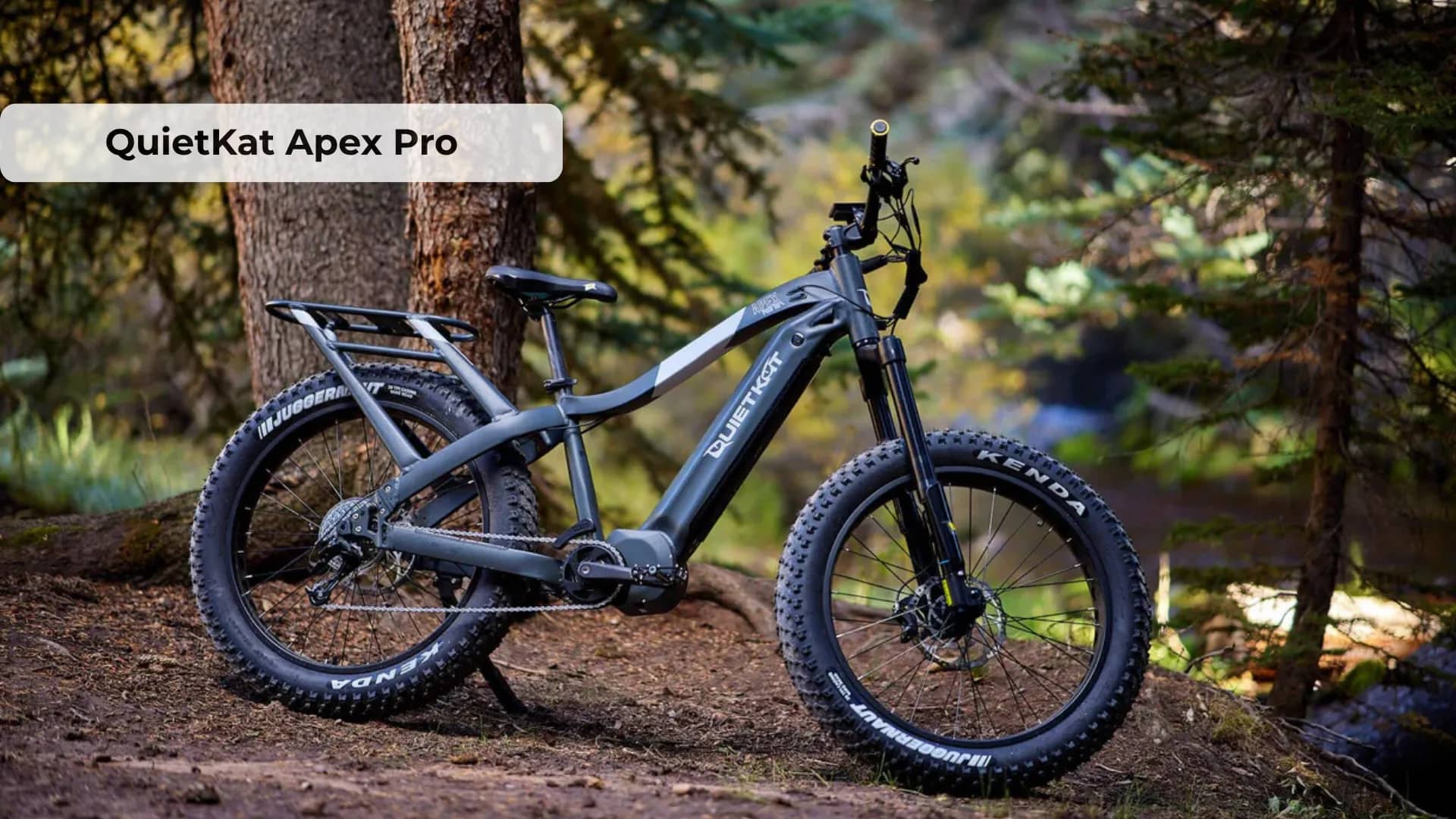
The Apex Pro is purpose-built for serious outdoor enthusiasts. Yes, it's expensive. But if you're hunting in the backcountry or need a bike that won't quit in extreme conditions, QuietKat justifies the premium with features you won't find elsewhere.
Key Features
| Feature | Details |
|---|---|
| Model | QuietKat Apex Pro – Hunter's Choice |
| Price | Around $4,499 |
| Motor | 1000W mid-drive (160Nm torque) |
| Battery | Dual 614Wh system (1,228Wh total) |
| Range | 60-100+ miles with dual batteries |
| Weight | 85 lbs with dual batteries |
| Best For | Hunters and extreme outdoor enthusiasts |
Performance Notes
The Apex Pro is genuinely silent compared to other ebikes. QuietKat engineered the motor and drivetrain specifically for stealth, critical for hunting applications where noise spooks game. I tested this on actual hunting trails and could approach wildlife far closer than with regular ebikes. The mid-drive motor with 160Nm torque conquered terrain that stopped other bikes: 20+ degree climbs with loose rocks, muddy creek crossings, technical singletrack. The dual battery system is brilliant: swap one battery mid-ride and keep going, or run both for obscene range. I did an 85-mile backcountry loop using both batteries and finished with 15% remaining.
Build quality reflects the premium price. Every component feels overbuilt and designed for abuse. The RockShox suspension (front and rear) handles serious terrain better than anything else I tested. Camo color options integrate into outdoor environments. The Gates carbon belt drive eliminates chain maintenance and runs quieter than chain drives. After months in mud, dust, and rough conditions, nothing rattled or failed. The downside? At $4,499, this bike costs 2-3x more than competitors. You're paying for specialized features that only certain riders truly need. For hunters and serious outdoor users, it's worth every penny. For casual riders, it's massive overkill.
Who It's Best For
Built specifically for hunters who need stealth, range, and capability in extreme backcountry conditions. Excellent for anyone regularly venturing far off-grid who needs ultimate reliability. The dual battery system makes it ideal for multi-day adventures or professional outdoor use (wildlife photographers, conservation workers, ranchers). Only buy this if you genuinely need the specialized features. Otherwise, you're overpaying for capabilities you won't use. Definitely skip if you mainly ride maintained trails or paved paths.
Pros
- Quietest ebike tested with genuinely stealthy operation
- Dual battery system provides 100+ mile potential range
- Premium RockShox suspension handles extreme terrain
- Build quality is absolutely bombproof
- Camo options and hunting-specific features
Cons
- Premium $4,499 price limits buyer pool significantly
- 85 lbs with dual batteries is extremely heavy
- Specialized features wasted on casual riders
- Gates belt drive requires special tools for service
- Overkill for anyone not needing hunting/backcountry features
9. Rad Power RadRover 6 Plus
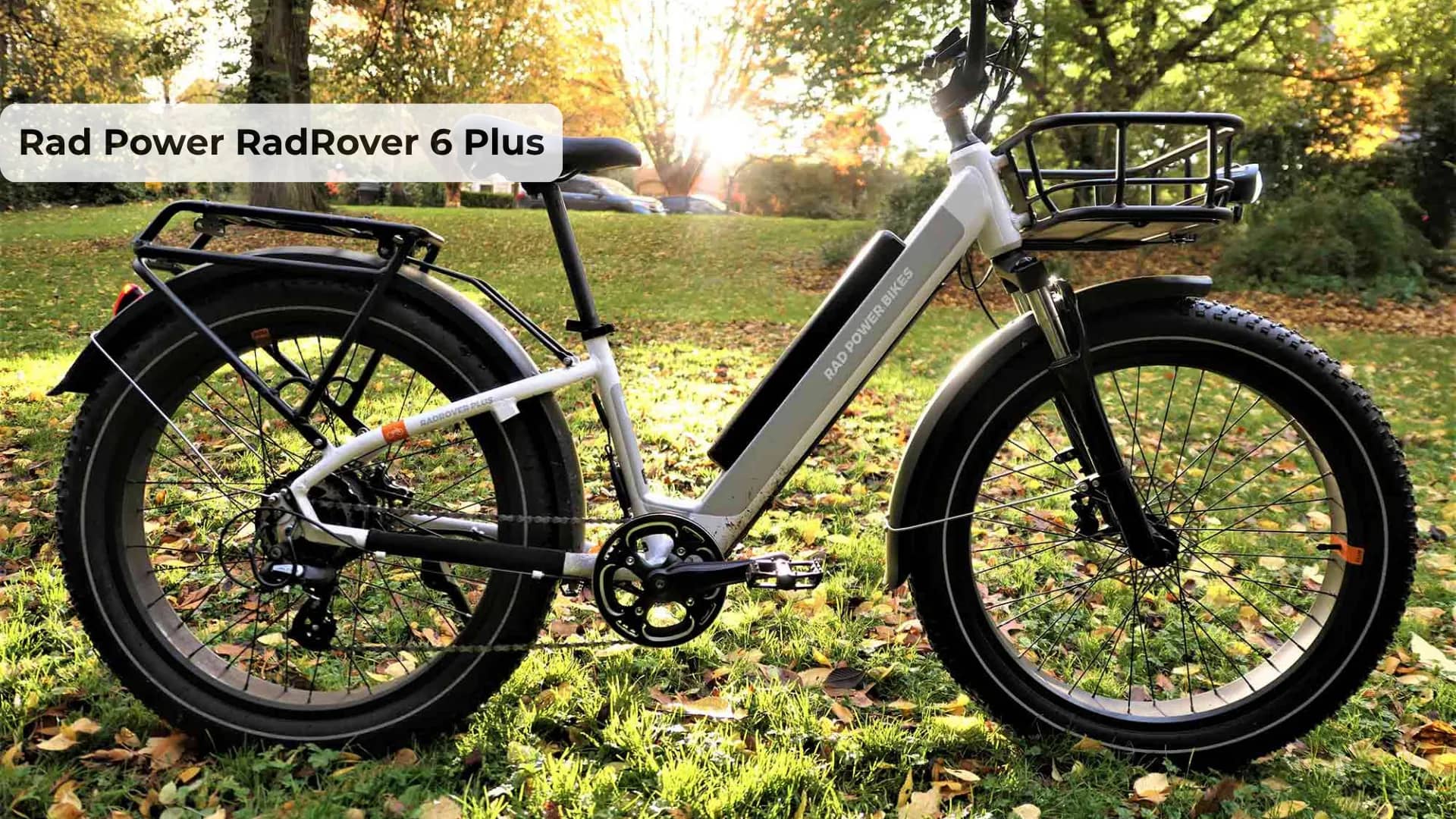
Rad Power built its reputation on reliable, no-nonsense ebikes. The RadRover 6 Plus delivers exactly that: solid performance, proven reliability, and a support network that actually helps when things go wrong.
Key Features
| Feature | Details |
|---|---|
| Model | Rad Power RadRover 6 Plus – Trusted Brand |
| Price | Around $1,999 |
| Motor | 750W geared hub |
| Battery | 672Wh capacity |
| Range | 25-45 miles depending on conditions |
| Weight | 73 lbs |
| Best For | Buyers prioritizing brand reliability and support |
Performance Notes
The RadRover 6 Plus won't blow you away with cutting-edge features, but it does everything competently. The motor provides steady, predictable power without drama. I tested this bike expecting it to feel dated compared to newer models, but it doesn't. Rad focused on refining the fundamentals rather than chasing specs. The cadence sensor works smoothly, the brakes are properly powerful, and the overall experience feels polished. During my 150-mile test period, I experienced zero mechanical issues or hiccups. That reliability matters more than flashy features for many riders.
Range performance landed in the middle of the pack. I consistently got 35-40 miles on mixed terrain with moderate assist levels, adequate for most day rides but not exceptional. The 7-speed drivetrain provides enough range for varied terrain, though I occasionally wanted lower gearing on steep climbs. What sets Rad apart is the support ecosystem. When I had questions, customer service responded quickly with helpful answers. The extensive dealer network means service options beyond just shipping your bike back. For riders who value peace of mind over bleeding-edge performance, that support infrastructure is worth the price of admission.
Who It's Best For
Perfect for first-time ebike buyers who want the security of an established brand with proven reliability. Excellent for riders who prioritize customer support and service availability over having the absolute latest features. Great for anyone nervous about buying a bike from a newer company or concerned about long-term parts availability. The extensive dealer network makes this ideal if you prefer in-person service options. Skip this if you want the most advanced tech or best performance-per-dollar. Newer competitors offer more features at similar prices.
Pros
- Established brand with proven reliability track record
- Extensive dealer network provides service options
- Responsive customer support actually helps
- Refined user experience from years of iteration
- Solid performance across all core functions
Cons
- Dated specs compared to newer competitors
- Range falls short of bikes with larger batteries
- Lacks modern features (torque sensor, advanced tech)
- Higher price for older technology
- Conservative design doesn't excite enthusiasts
10. Specialized Turbo Tero X 5.0
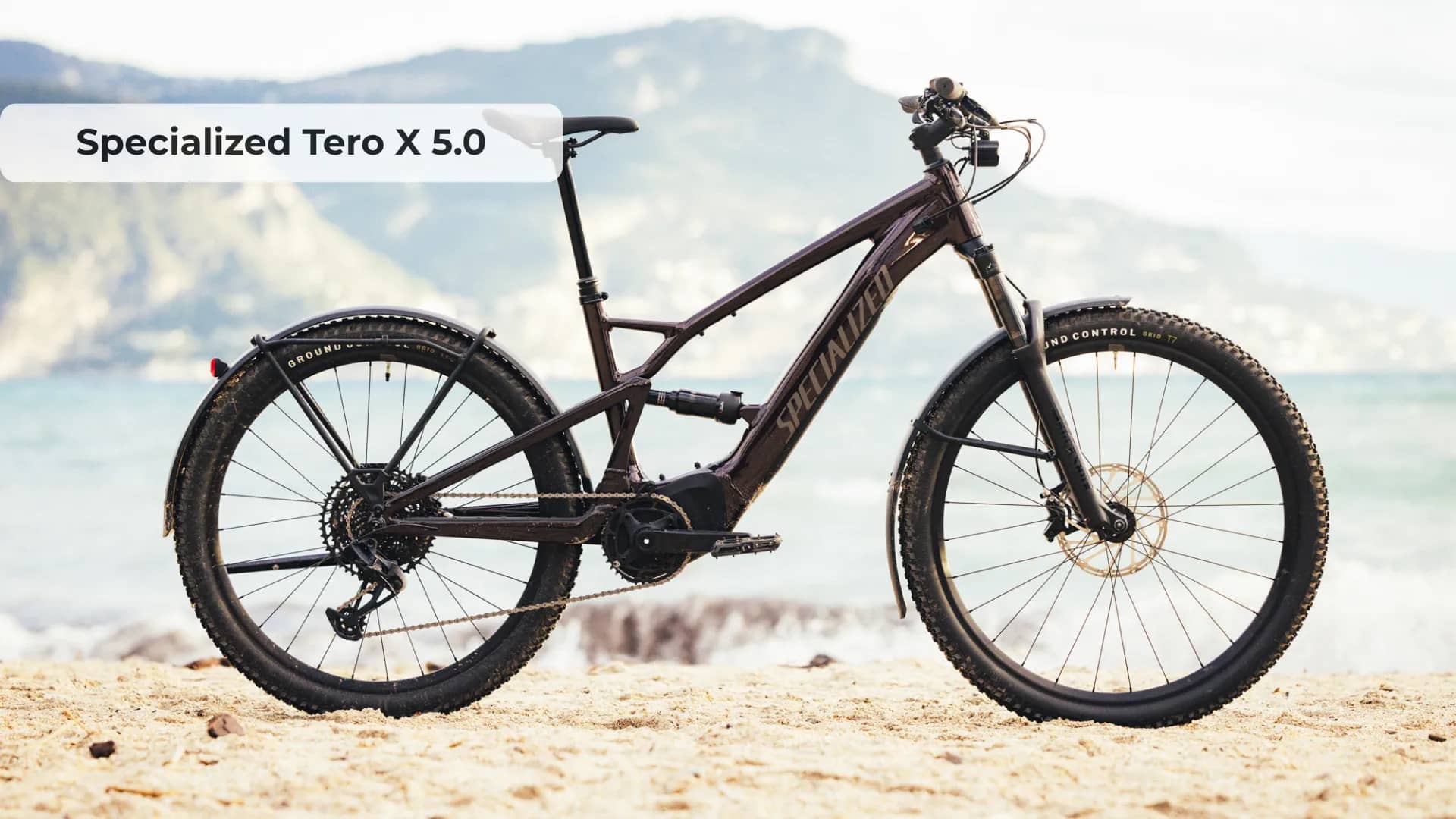
Specialized brings decades of bike engineering expertise to the fat bike category. The Tero X 5.0 delivers premium performance at a premium price. It's exceptional, but only if you're willing to pay for perfection.
Key Features
| Feature | Details |
|---|---|
| Model | Specialized Turbo Tero X 5.0 – Premium Pedigree |
| Price | Starting at $5,500 |
| Motor | Specialized 2.2 motor, 90Nm torque |
| Battery | 710Wh proprietary system |
| Range | 40-80 miles with range extender option |
| Weight | 64 lbs (remarkably light) |
| Best For | Riders wanting the absolute best regardless of price |
Performance Notes
The Specialized motor is the most refined system I've tested. Power delivery feels completely natural, like you've suddenly gotten stronger, not like you're riding an electric bike. The torque sensor response is instant and intuitive. Specialized's Mission Control app offers customization that actually matters: adjust power curves, set battery management strategies, and tweak assist levels with precision other brands can't match. At 64 pounds, this bike feels shockingly light and nimble compared to 75-80 pound competitors. That lighter weight improves handling dramatically on technical terrain.
Component quality justifies some of the premium price. The SRAM Eagle drivetrain shifts crisply under load. RockShox suspension soaks up impacts while remaining responsive. Hydraulic brakes provide fingertip control. Every detail feels considered and executed perfectly. But here's the reality: for $5,500, it's only marginally better than bikes costing $2,000-$3,000 less. You're paying premium prices for incremental improvements. The average rider won't fully appreciate or utilize the difference. For enthusiasts who want the best and can afford it, the Tero X 5.0 delivers. For budget-conscious buyers, you'll get 85% of this performance from bikes costing half as much.
Who It's Best For
Designed for riders who want premium components and aren't price-sensitive. Perfect for enthusiasts who appreciate marginal gains and premium engineering. Excellent for riders coming from high-end mountain bikes who expect similar quality in their ebike. The dealer network and Specialized support provide confidence for major investments. Only makes sense if you're comfortable spending $5,500 on a bike and want the absolute best refinement available. Skip this if budget matters at all. Better value exists elsewhere.
Pros
- Most refined, natural motor response tested
- Exceptionally light at 64 lbs for fat bike category
- Premium SRAM/RockShox components throughout
- Mission Control app provides meaningful customization
- Specialized dealer network and long-term support
Cons
- Premium $5,500 price extremely hard to justify
- Marginal improvements over bikes costing half as much
- Proprietary battery limits long-term serviceability
- Range extender adds significant additional cost
- Better value available unless you demand absolute best
Complete Buyer's Guide: Everything You Need Before Buying

Understanding Fat Tire Electric Bikes Basics
Fat bikes earn their name from those massive 4-inch-plus tires, roughly double the width of regular bike tires. Those oversized tires aren't just for looks. They dramatically increase surface area, which lowers tire pressure and creates a floating effect over soft surfaces like sand, snow, and mud. Think of it like snowshoes for bikes. Where regular tires sink and bog down, fat tires keep you moving. The electric motor adds a whole new dimension, providing power to push through resistance that would exhaust you on a regular fat bike. Prefer suspension and singletrack instead? Compare our best electric mountain bikes for trails.
The trade-off? Fat tires create more rolling resistance on pavement, making them slower and less efficient on smooth surfaces. The motors compensate, but you'll definitely feel the difference switching from a road bike. Battery capacity matters more on fat bikes because those wide tires demand more power to maintain speed. That's why you see fat ebikes with 700-900Wh batteries versus 400-500Wh on regular ebikes. Also, expect these bikes to weigh 65-85 pounds. They're beasts by design. That weight provides stability in rough terrain but makes transportation and storage more challenging. Wet snow and creek crossings are common—read can electric bikes get wet before winter riding.
- Fat tires (4+ inches) provide flotation over soft terrain but increase rolling resistance
- Electric motors compensate for the extra effort fat tires require
- Expect 65-85 lb weight range, significantly heavier than regular ebikes
- Battery capacity should be 700+ Wh for adequate range with fat tires
Motor Systems: Hub vs Mid-Drive
Most fat ebikes use rear hub motors. The motor sits inside the rear wheel hub. Hub motors are simpler, cheaper, and require less maintenance than mid-drives. They work great for flat to moderate terrain and provide reliable, straightforward power delivery. The downside? Hub motors can't leverage your bike's gears, so they work harder on steep climbs and drain batteries faster. They also add weight to the rear wheel, which some riders notice in handling.
Mid-drive motors mount at the bike's bottom bracket and power the cranks directly. This lets them use your bike's gears, making them vastly more efficient on hills and varied terrain. Mid-drives provide better weight distribution and more natural-feeling power delivery. The catch? They cost more, create more drivetrain wear (chain/cassette), and require more maintenance. For serious trail riding or mountainous terrain, mid-drives justify the extra cost. For flat commuting and casual use, hub motors make more sense financially.
- Hub motors: Simpler, cheaper, great for flat terrain and commuting
- Mid-drive motors: Better climbing, more efficient, higher maintenance costs
- Hub motors typically 750W, mid-drives range 500-1000W
- Choose hub for budget and simplicity, mid-drive for serious terrain
Battery Capacity and Real-World Range
Battery capacity is measured in watt-hours (Wh). Higher numbers mean more stored energy and longer range. Fat bikes typically need 700-900Wh batteries because those wide tires demand serious power. Here's what matters: manufacturer range claims are wildly optimistic. They're based on ideal conditions (flat terrain, light rider, Eco mode, no wind, perfect temperature). Real-world range runs 40-60% of claimed maximums depending on conditions. A bike claiming 80 miles might give you 35-50 miles in actual mixed riding.
Multiple factors crush range: Hills drain batteries fast. Cold weather (below 40°F) can cut range by 30% or more. Heavier riders burn more power. Higher assist levels obviously use more battery. Headwinds, soft terrain, and frequent stops all reduce range. My advice? Calculate your typical ride distance, then buy a battery 50% larger than you think you need. Battery anxiety ruins rides. Better to finish with juice left than push a 75-pound bike home.
- Aim for 700+ Wh capacity for fat bikes (more is better)
- Real range is typically 40-60% of manufacturer claims
- Cold weather, hills, and rider weight dramatically affect range
- Buy 50% more battery capacity than your typical ride needs
Torque vs Cadence Sensors (This Matters)
Cadence sensors detect pedal rotation. They turn the motor on when you pedal and off when you stop. Simple and cheap, but the power delivery feels abrupt and unnatural. It's like a light switch: pedal = motor on at fixed power level. This works fine for casual riding but feels weird on technical terrain or when you need precise power control. Most budget fat bikes ($1,500 and under) use cadence-only sensors.
Torque sensors measure how hard you're pedaling and adjust motor power proportionally. Pedal gently = gentle assist. Stomp on the pedals = aggressive power. This creates a natural riding experience that feels like you're just stronger. Torque sensors make hills easier, technical sections more controllable, and overall riding more enjoyable. They're standard on bikes $2,000+ and increasingly common on mid-range models. If you're riding anything beyond flat paved paths, torque sensors are worth paying extra for. The difference is night and day.
- Cadence sensors: Simple on/off power, less natural feeling, cheaper
- Torque sensors: Proportional power, natural riding feel, more expensive
- Torque sensors dramatically improve technical riding and climbing
- Worth paying $200-400 extra for torque sensor systems
Budget Reality: Where to Spend and Save
Fat ebikes start around $1,200 for basic models and top out near $6,000 for premium machines. The $1,800-$2,500 range offers the best value. You get quality motors, adequate batteries, and decent components without paying for premium branding. Below $1,500, expect compromises on battery capacity, motor power, or component quality. Above $3,000, you're paying for incremental improvements that most riders won't fully appreciate.
Here's where to invest: Motor and battery are non-negotiable. Cheap out here and you'll regret it. Decent brakes (hydraulic discs) are essential for safety with 70+ pound bikes. Beyond that, most component upgrades provide diminishing returns. Fancy suspension, premium drivetrains, and carbon parts are nice but not necessary for most riders. Focus your budget on the motor system and battery capacity first, then choose the best components you can afford. Don't finance a $5,000 bike when a $2,000 model meets your actual needs.
- Budget range ($1,200-$1,500): Basic features, compromises on battery/components
- Sweet spot ($1,800-$2,500): Best value, quality motors, adequate specs
- Premium range ($3,000+): Diminishing returns for most riders
- Prioritize: Motor quality > Battery capacity > Brakes > Everything else
Common Buying Mistakes to Avoid
The biggest mistake? Buying based on claimed top speed instead of actual usability. Yes, some bikes claim 28-30mph speeds, but you'll rarely sustain that. Range, comfort, and component quality matter way more than theoretical top speed. Similarly, don't get seduced by massive motor wattage numbers. A 500W mid-drive often outperforms a 1000W hub motor in real conditions. Motor placement and efficiency matter more than raw wattage.
Another trap: Ignoring your actual use case. Hunters need different features than commuters. Weekend trail riders have different priorities than daily commuters. Don't buy a specialized hunting bike with camo paint if you're commuting to work. Don't buy the lightest bike if you need cargo capacity. Be honest about how you'll really use the bike, not how you imagine using it. Also, don't skip the test ride trying to save money buying online. Fit and comfort matter. Even with generous return policies, returning a 75-pound bike is a massive hassle.
- Don't prioritize claimed top speed over practical features
- Motor placement and efficiency beat raw wattage numbers
- Buy for your actual use case, not aspirational riding
- Test ride before buying if possible. Fit and comfort matter
Frequently Asked Questions
Are electric fat bikes worth the money compared to regular ebikes?
It depends entirely on where you ride. If you regularly encounter snow, sand, mud, or loose terrain, fat bikes justify their cost and weight through superior traction and capability. They excel at year-round riding in areas with harsh winters and shine on beaches, forest trails, or anywhere regular tires struggle. The trade-off is lower efficiency on pavement and extra weight you'll notice when transporting the bike.
For pure pavement commuting or maintained bike paths, regular ebikes offer better value. They're lighter, faster, more efficient, and cheaper. But if versatility matters or you live somewhere with challenging terrain/weather, fat bikes become practical instead of just fun. They're also excellent for riders who want one bike to handle everything from snow to summer trails. Just understand you're paying a premium for capability you might not always need.
How far can electric fat bikes really go on a single charge?
Real-world range typically runs 30-60 miles depending on battery size, terrain, weather, and assist level. Bikes with 700+ Wh batteries can reach 50-60 miles on flat terrain in Eco mode with a lighter rider. Expect 30-40 miles in more realistic conditions with moderate hills and mid-range assist levels. Cold weather (below 40°F) can slash range by 30% or more. Heavier riders, frequent starts/stops, and aggressive assist levels further reduce range.
Ignore manufacturer claims of 80-100 miles. Those numbers assume perfect conditions that don't exist in real riding. My advice? Plan your rides assuming 40-50% of the claimed range, and you won't get caught with a dead battery. Bigger batteries always pay off in reduced range anxiety and more flexibility in how hard you ride.
Can electric fat bikes handle snow and ice safely?
Yes, but with important caveats. Fat tires provide excellent flotation over soft snow and better traction than regular tires on packed snow. However, on pure ice or hard-packed snow, even fat tires slide. Physics doesn't care about tire width. For serious winter riding on icy conditions, consider studded fat tires which add metal spikes for ice grip. Standard tires work fine for fresh snow, slush, and moderately packed trails.
The motor helps maintain momentum in snow, preventing the bog-down that kills regular bikes. Just remember that cold temperatures reduce battery capacity significantly. Expect 30-40% less range below freezing. Also, the extra weight of ebikes works in your favor here, providing stability on slippery surfaces. Start with lower assist levels until you gauge traction, and avoid aggressive braking or sharp turns on icy patches.
What maintenance do electric fat bikes require?
Fat ebikes need more maintenance than regular bikes but less than motorcycles. Expect to clean and lube the chain every 100-200 miles, especially in dirty conditions. Those wide tires collect mud and debris like magnets. Check tire pressure regularly. Fat tires run 5-15 PSI, and small changes dramatically affect ride quality. Brake pads wear faster carrying 70-80 pound bikes, so inspect them monthly. Battery care matters too: store charged between 40-80% capacity for longevity, and avoid extreme temperatures.
Hub motors are basically maintenance-free besides keeping the axle nuts tight. Mid-drive motors create more drivetrain wear, so budget for chains and cassettes more frequently. Most owners should plan on a professional tune-up annually or every 500 miles for safety and performance. The electrical components rarely fail, but when they do, you'll need dealer or manufacturer support. This isn't typical bike shop territory yet.
Are 750W motors powerful enough or should I get 1000W?
For most riders and terrain, 750W is plenty. The wattage number matters less than motor type and quality. A good 750W mid-drive will outclimb a cheap 1000W hub motor every time because mid-drives leverage your gears. Hub motors work harder because they can't shift, so they benefit more from higher wattage. If you're tackling seriously steep hills (15%+), carrying heavy cargo regularly, or riding in deep sand/snow, 1000W provides noticeable advantages.
Also consider legal issues: Many jurisdictions limit ebikes to 750W for street legality. Going 1000W might classify your bike as a moped, requiring registration, insurance, or licensing. Unless you specifically need that extra power for challenging terrain or heavy loads, stick with 750W. It's powerful, legal, and provides better efficiency for longer range.
Can I ride electric fat bikes in the rain?
Modern ebikes are built to handle rain and wet conditions. Most have IPX4 to IPX6 water resistance ratings. This means they can handle rain, splashes, and even pressure washing (within reason). I've ridden in downpours without issues. However, avoid submerging electrical components in water. Riding through shallow puddles and streams is fine; dropping your bike in a river is not. After wet rides, dry the bike off and check electrical connections for moisture.
The bigger concern is performance in wet conditions: Braking distances increase on wet surfaces, especially with mechanical disc brakes. Hydraulic brakes perform better when wet. Fat tires actually help in rain by providing more rubber contacting the ground, improving traction over regular tires. Just reduce speed in corners and brake earlier than usual. The weight of ebikes helps here too. They're less prone to sliding than lightweight bikes.
Do I need special gear or equipment for electric fat bikes?
Not much beyond regular bike gear. A quality helmet is non-negotiable. These bikes reach 20-28mph easily, and crashes hurt at speed. Studded tires are essential if you're riding on ice regularly. A good bike lock matters because ebikes are theft targets. Budget at least $100 for a serious U-lock or chain. Consider fenders if riding in wet or muddy conditions. Those fat tires throw spectacular amounts of dirt and water.
For longer rides, carry a portable pump since fat tires need specific pressure ranges (5-15 PSI) that affect performance noticeably. Panniers or cargo bags help since most fat bikes have rack mounts. Winter riders should get bar mitts or heavy gloves. Your hands get cold fast at speed. That's about it. Don't overthink the gear; these are still bicycles at heart.
How hard is it to pedal an electric fat bike without motor assist?
Honestly? It's pretty miserable. These bikes weigh 65-85 pounds, and those wide tires create significant rolling resistance. You can pedal them without power in emergencies, but it's slow and exhausting. On flat ground, you'll manage 8-10mph with effort. Any hill becomes a genuine struggle. This isn't like riding a regular bike with the motor off. The weight and tire resistance make it noticeably harder.
This is why battery capacity matters so much. Running out of charge mid-ride means you're stuck pushing or pedaling a very heavy, slow bicycle home. Plan your rides conservatively, carry a charger if possible for long trips, and always finish with battery to spare. Some bikes have walk-assist modes that provide throttle power at walking speed. Useful for pushing the bike uphill when the battery dies.