Retrospec Koa Rev 3 Fat Tire Electric Bike: Tested on Pavement, Gravel, and Everything In Between
Retrospec Koa Rev 3 review: 500W motor, 75-mile range, LG battery, Tektro hydraulics. Is it one of the best electric fat bikes you can buy in 2026?

Quick Summary
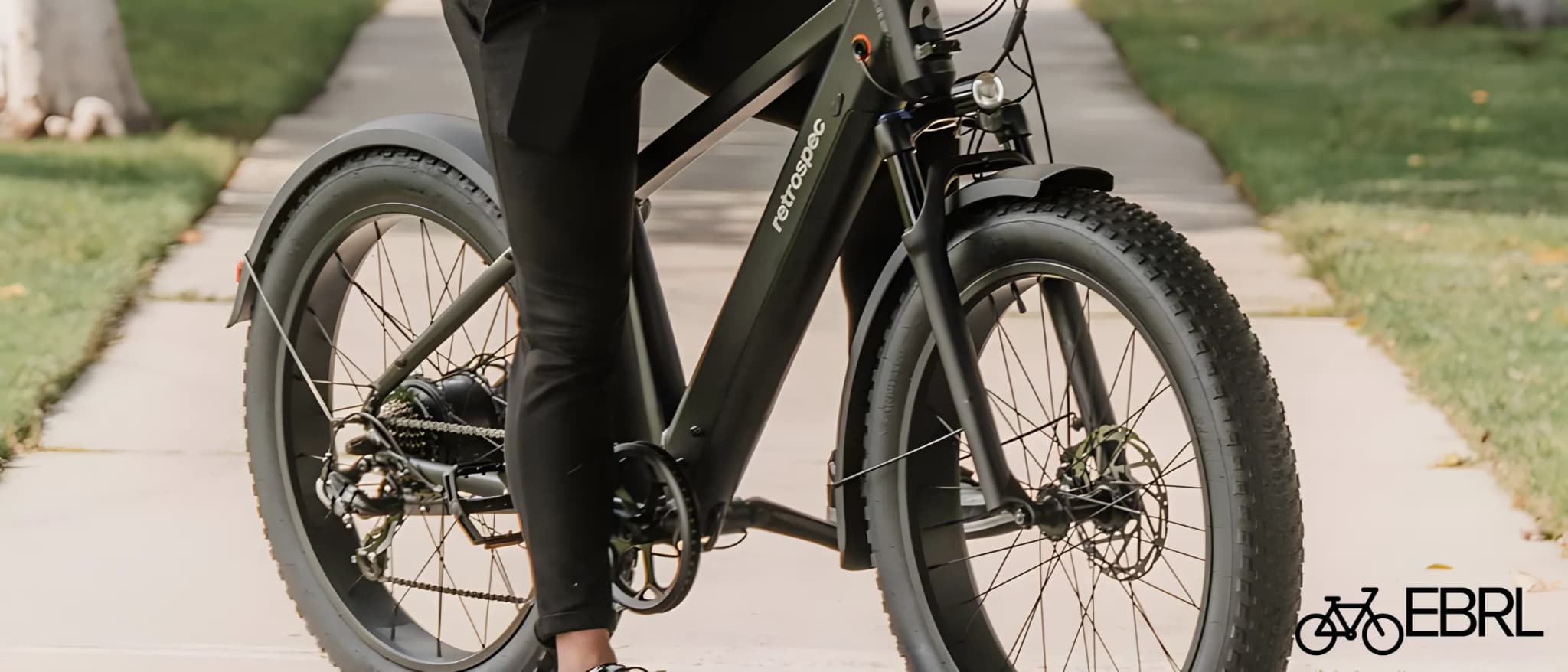
The Retrospec Koa Rev 3 is one of the most well-rounded electric fat bikes in the $1,499 price range. It packs a capable 500W Ananda motor, a high-quality LG 48V/500Wh battery, and Tektro hydraulic disc brakes into a clean 6061 aluminum frame that weighs in lighter than most similarly spec'd fat tire ebikes at around 64.5 pounds. After spending several weeks riding it across city streets, gravel paths, and packed dirt trails, it's clear this bike genuinely earns its 'do-it-all' reputation.
Best for: Casual commuters, weekend adventurers, and newer riders who want one bike that handles pavement and light off-road without breaking the bank.
Not ideal for: Serious trail riders who need full suspension or Class 3 speeds right out of the box. If 28 mph top-end is a dealbreaker for you, look at the Koa Rev+ 2 instead.
Performance Rating Matrix
Overall Rating
7.9/10
A genuinely capable all-terrain fat bike ebike that punches above its price point
Rating Metric
Our Rating
Ride Quality
8.5
Components
8.0
Screen/App
7.0
Range
8.5
Hill Climbing
7.5
Pros and Cons
What We Like
- LG 21700 battery cells with dual UL safety certifications. That's not a corner cut you often see at this price
- Tektro hydraulic disc brakes with 180mm rotors stop confidently in wet conditions where mechanical brakes get sloppy
- Lighter than most fat tire ebikes at 64.5 lbs, which actually matters when you're loading it solo onto a rack
- Retrospec's Easy-Change rear wheel system makes rear flat repairs far less miserable than on most hub-drive ebikes
- Integrated front and rear lights with a brake indicator built in, so there's no need to strap on aftermarket lights for commuting
What Could Be Better
- Capped at 20 mph (Class 2). Riders who want Class 3 speeds will need to step up to the Koa Rev+ 2
- No torque sensor on this model; cadence-based assist can feel slightly abrupt off the line compared to torque-sensor bikes in a similar price bracket
- The display is functional but basic: no app connectivity, no GPS, and sunlight readability could be sharper
- At 64.5 lbs, it's lighter than most fat tire ebikes but still heavy enough that apartment dwellers carrying it up stairs will feel it
Key Specifications

Motor & Battery
- Motor
- 500W Ananda rear hub motor, 770W peak, 65Nm torque
- Battery
- 48V / 500Wh, LG 21700 cells, integrated downtube
- Claimed range
- Up to 75 miles (varies by assist level and terrain)
- Charger
- Standard 2A charger, on-bike and off-bike charging compatible

Performance
- Top speed
- 20 mph (Class 2)
- Assist modes
- 5 PAS levels + push-to-go throttle
- Ride character
- Smooth and planted, confidence-inspiring on mixed terrain

Frame & Build
- Frame style
- Step-over (step-through also available)
- Frame material
- 6061 hydroformed aluminum, integrated downtube battery
- Fork
- ZOOM with 80mm travel, preload adjustment, lockout

Components
- Brakes
- Tektro hydraulic disc, semi-metallic pads, 180mm ebike-specific rotors
- Drivetrain
- Shimano 7-speed
- Tires
- 26x4.0" fat MTB with puncture protection
Price and Value
MSRP: $1,499.99. For the spec sheet you're getting here (LG cells, Tektro hydraulics, a 500Wh battery, and an Ananda motor system), that's genuinely competitive. A lot of fat tire ebikes at this price point quietly cut corners on either the battery quality or the brakes. Retrospec doesn't.
Is it worth the money? Honestly, yes, especially if you catch it during one of Retrospec's fairly frequent sales. The combination of the LG battery (which carries both UL2849 and UL2271 certifications), hydraulic stopping power, and a lighter-than-average frame makes this feel like a $1,800 bike priced at $1,499.
Koa Rev 3 vs. Aventon Aventure 3: The Aventon Aventure 3 sits around $1,699 and brings a 750W motor, a torque sensor, and a smart 4G-connected ACU module. If you want smarter tech and faster speeds, the Aventure is the better pick. But if you're budget-focused and not chasing 28 mph or app connectivity, the Koa Rev 3 gives you most of what matters for less.
Koa Rev 3 vs. RadRover 6 Plus: Rad Power's RadRover 6 Plus comes in around $1,999 and adds more refined tuning and Rad's well-established dealer support network. The RadRover is a more polished package overall, but you're paying $500 more for that polish. For casual riders and first-time fat tire ebike buyers, the Koa Rev 3 is the smarter entry point.
Design and Build Quality
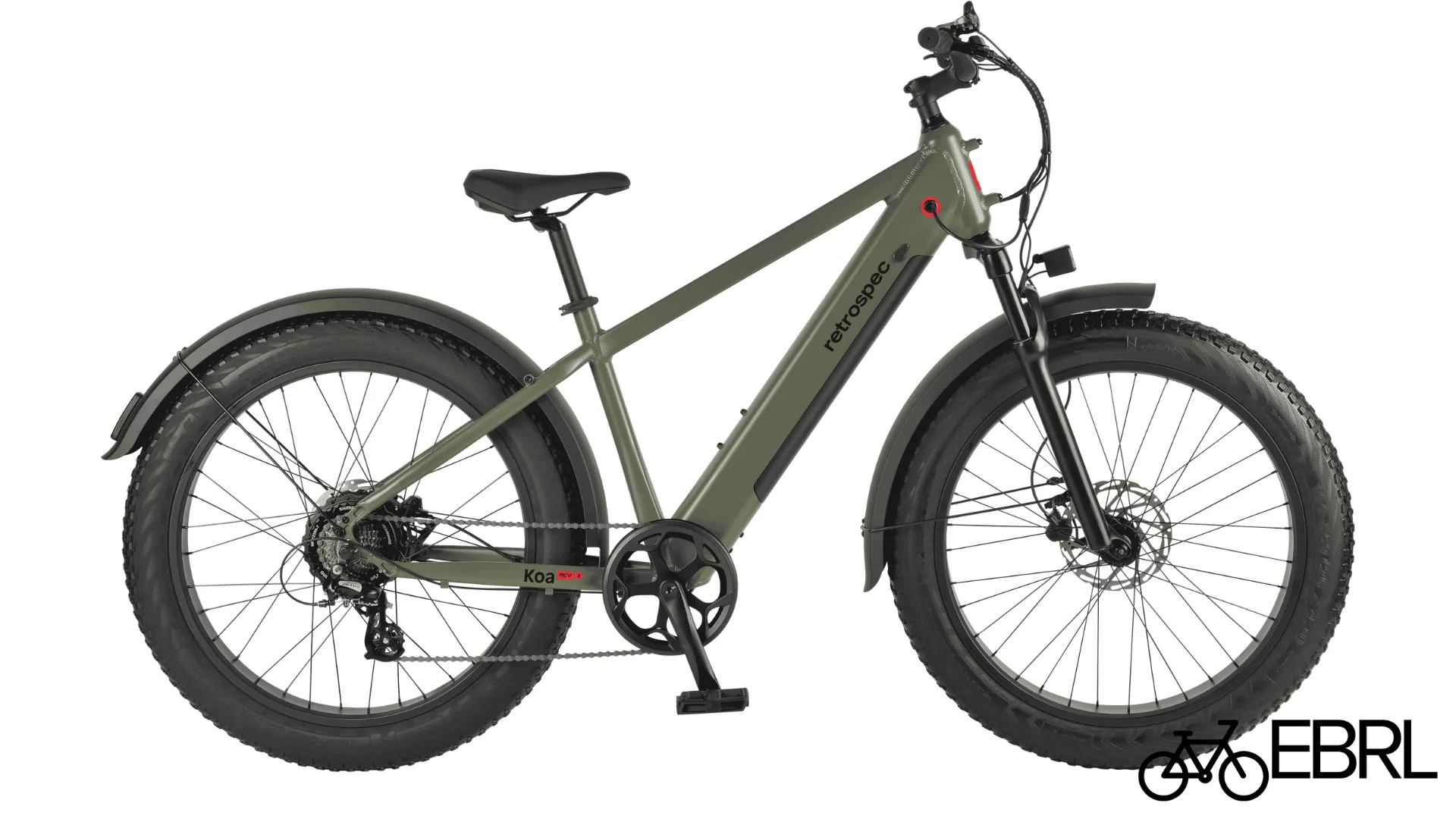
The integrated downtube battery keeps the Koa Rev 3 looking sharp from every angle
Retrospec builds the Koa Rev 3 around a 6061 hydroformed aluminum frame, and it shows. The welds are clean, the finish is consistent, and nothing flexes or rattles when you put real weight on the pedals. This doesn't feel like a bike that was rushed to market to hit a price point. It feels considered.
The integrated downtube battery is one of the cleaner design choices at this price. A lot of sub-$1,500 ebikes still bolt an external battery pack onto the frame like an afterthought. The Koa Rev 3 tucks it inside, which keeps the silhouette sleek and protects the battery from debris on rough rides.
Riding position is upright and comfortable without being awkward. The handlebar reach feels natural for most riders, and the saddle is wide enough for longer sessions without pressure points building up. The step-over version has a fairly accessible standover height, and the step-through version makes mounting genuinely effortless.
Aesthetically, it's a clean, sporty look that fits in equally well on a bike path or a gravel road. Cable routing is tidy, and the color options are understated enough to age well. Nothing about this screams 'budget' from a distance.
Motor Performance and Power
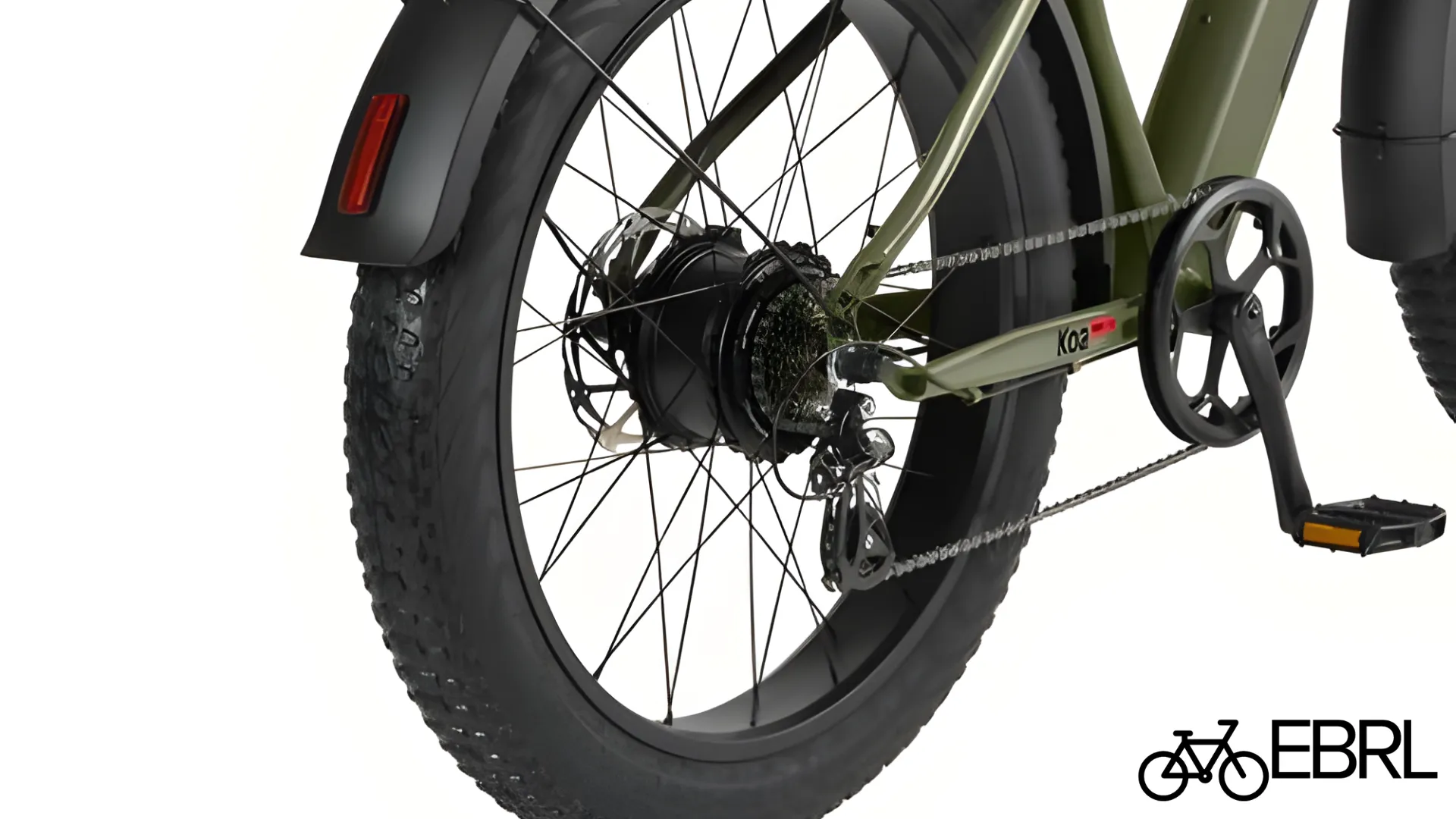
The Ananda motor system delivers smooth, predictable power across all five assist levels
The 500W Ananda motor peaks at 770W with 65Nm of torque, and in real-world riding it pulls away from stops with confidence. It's not the sharpest acceleration you'll find in the fat tire ebike category, but it's smooth and consistent. PAS 1 and 2 are genuinely useful for casual pedaling, while PAS 4 and 5 are where the bike really opens up and starts covering ground quickly.
One thing to note: this is a cadence sensor system, not a torque sensor. The difference is most noticeable at low speeds. Cadence-based assist can feel a touch on-or-off versus the more intuitive response of a torque sensor. After a few miles you adapt to it, but riders stepping up from a torque-sensor bike may notice the transition.
Hill climbing is solid for a 500W motor. On moderate grades (around 5-6%), it maintains speed without breaking a sweat in PAS 4. Steeper climbs in the 10-12% range will require you to drop to a lower gear and keep pedaling, but it never felt like it was about to give up. For a bike in this class, that's about what you'd expect.
Battery and Range Test
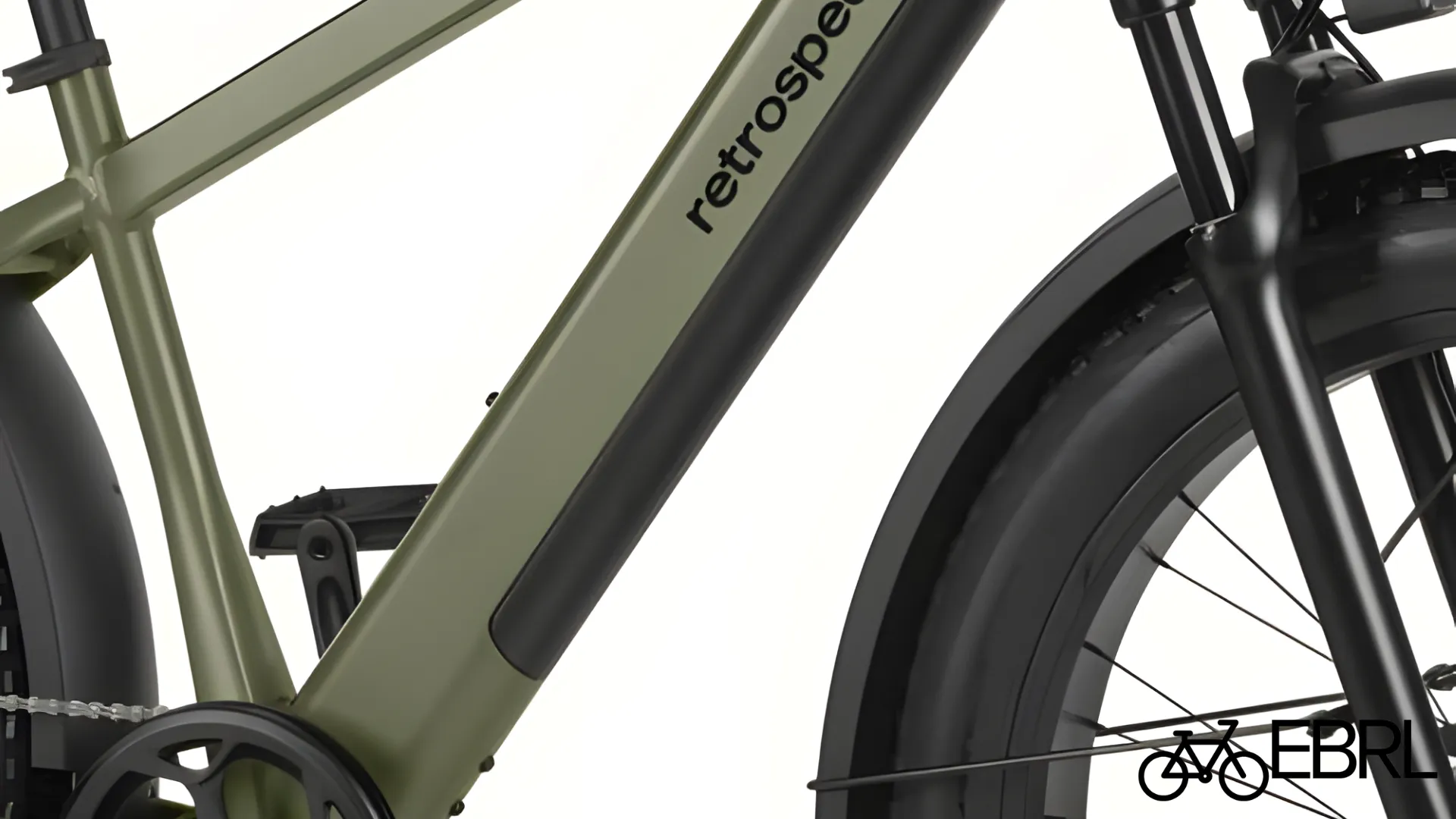
The LG 21700 cells inside the Koa Rev 3 bring real-world credibility to the 75-mile range claim
Retrospec claims up to 75 miles of range. In real-world testing on mixed terrain (roughly 60% pavement, 40% packed gravel) at PAS 2-3, hitting 45-55 miles per charge is a realistic and comfortable expectation. Riding full throttle or staying in PAS 5 the whole time? Expect more like 25-30 miles. That's not a flaw, that's just how battery physics work on any ebike.
What stands out here is the battery quality itself. LG 21700 cells are among the better cell choices in this category, and the dual UL certifications (UL2849 and UL2271) mean this battery has been independently stress-tested. A lot of cheaper fat tire ebikes skip that certification step. The Koa Rev 3 doesn't.
Charging from near-empty takes roughly 5-6 hours with the included 2A charger, which is about average for a 500Wh pack. The battery can be charged on or off the bike, which is a nice flexibility for apartment dwellers who can't wheel the bike up to a wall outlet easily.
Ride Quality and Comfort
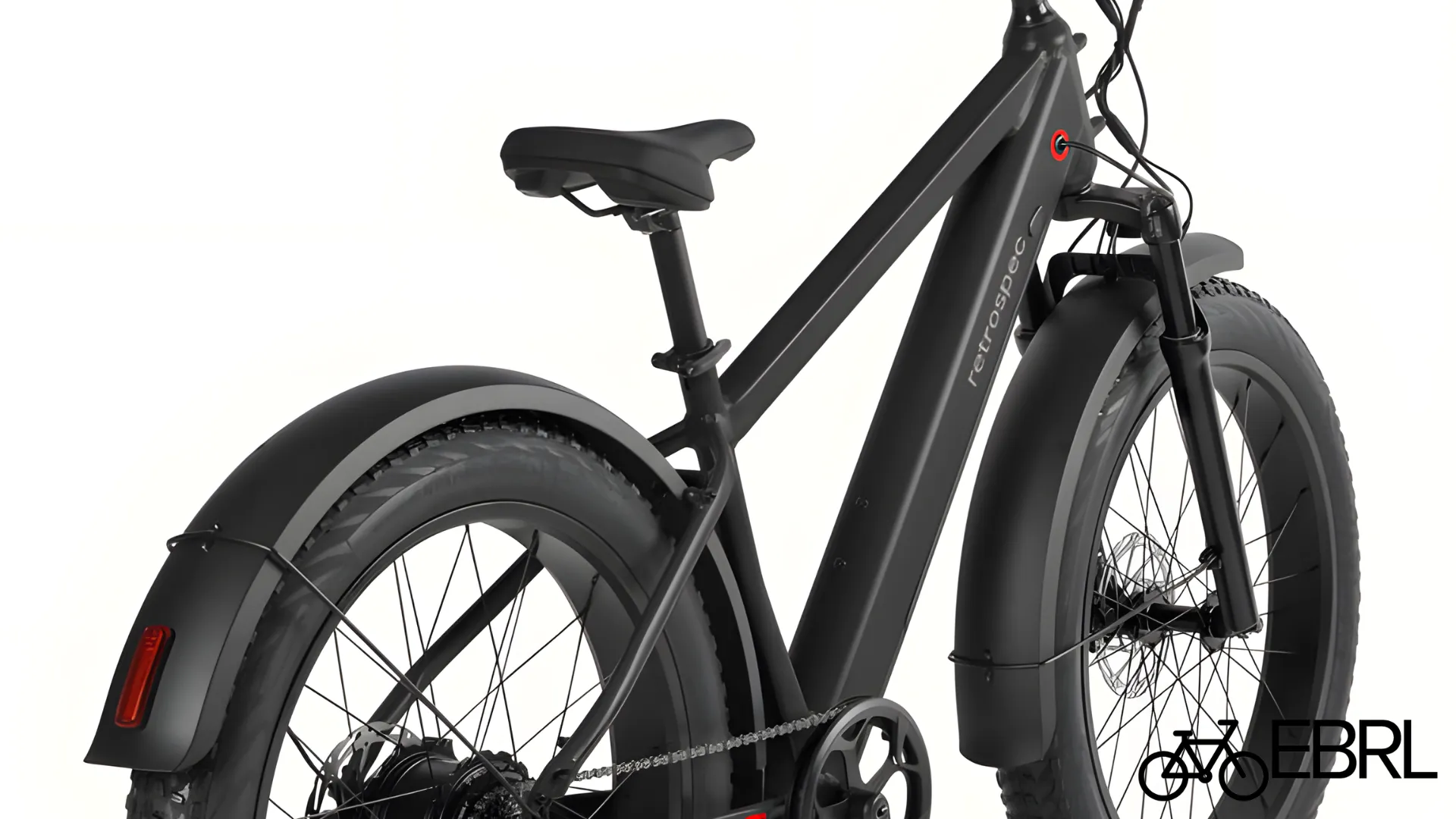
The fat tires and 80mm fork absorb the rough stuff without drama
This is where the Koa Rev 3 earns its reputation. The 26x4.0" fat tires absorb a surprising amount of road imperfection on their own, and paired with the ZOOM 80mm suspension fork, the bike stays composed on surfaces that would rattle a narrower-tire ebike into submission. Cracked pavement, gravel, packed dirt: none of it bothers this bike much.
At speed, the bike feels stable and planted. It corners predictably and doesn't wander on straights. The wide tires do add some rolling resistance compared to a slimmer-tire commuter bike, so if you're doing long stretches of pure pavement you'll notice it's working a little harder at the same assist level. That's just the fat tire tradeoff, and the stability you get in return is worth it for most riders.
After 60-90 minutes in the saddle, the upright riding position does its job. No significant lower back fatigue or wrist pressure during testing. The saddle is comfortable for most body types, though longer-distance riders might want to swap it for something with a center cutout.
Components and Features
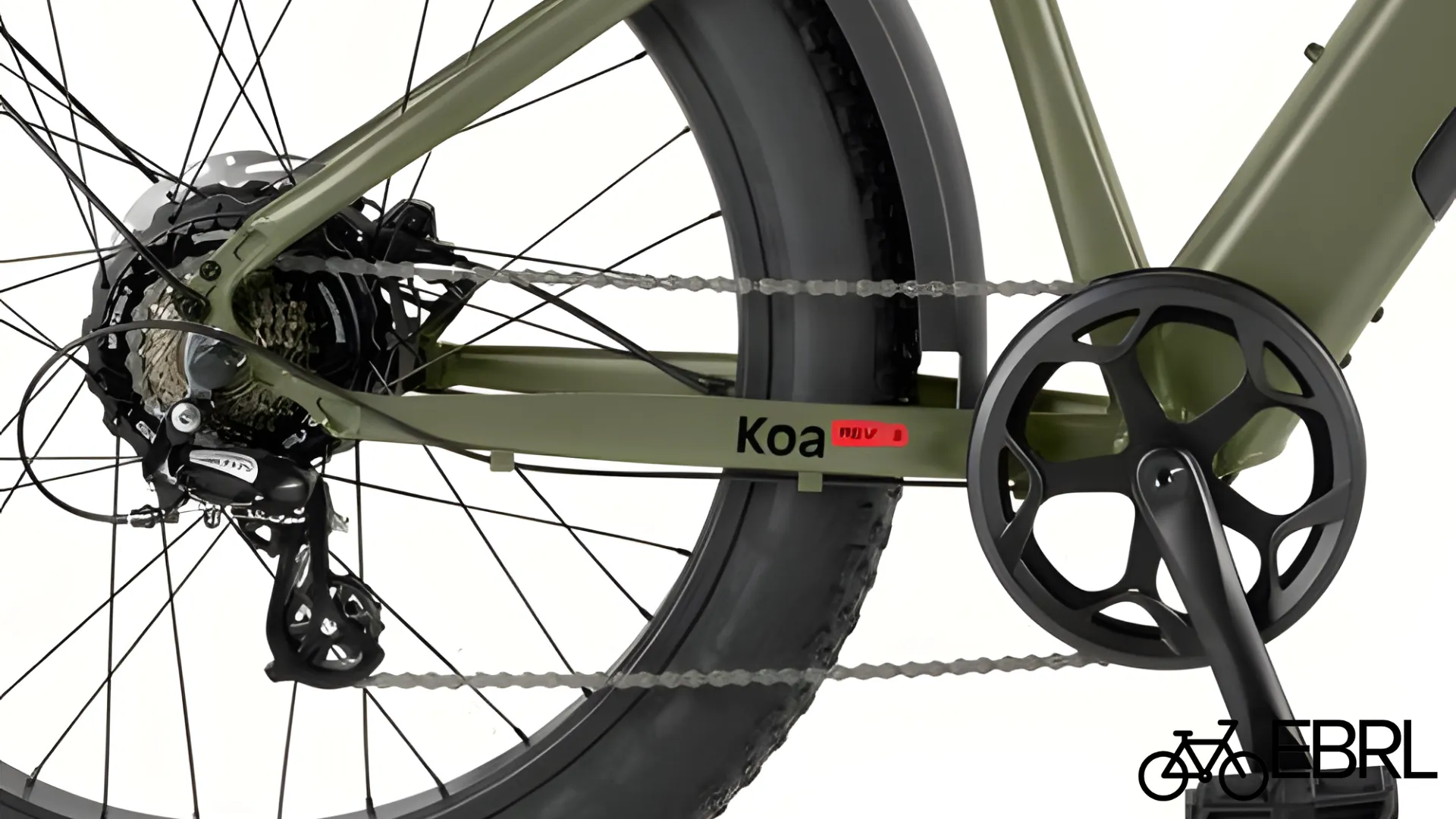
Tektro hydraulic brakes are a genuine upgrade over the mechanical brakes common on competing ebikes at this price
The Tektro hydraulic disc brakes with 180mm ebike-specific rotors are genuinely one of the best things about this bike. They modulate well, they don't fade on long descents, and they performed just as reliably on wet gravel as they did on dry pavement. At this price, a lot of competitors are still shipping mechanical disc brakes. Retrospec went hydraulic, and your wrists will thank them.
The Shimano 7-speed drivetrain is a solid, workhorse choice. Shifts are crisp and precise, and the gear range covers enough ground to be useful whether you're spinning along a flat path or grinding up a steeper climb in PAS 2. No complaints here. It's a well-matched drivetrain for how this bike is designed to be used.
The 26x4.0" fat tires come with puncture protection built in, which adds a little peace of mind for off-road riding. Grip is good in most conditions. Rolling resistance is higher than a standard tire, but that's the deal you make with fat tires: more traction, more cushion, slightly more effort on the flats.
Integrated front and rear lights with a brake indicator are standard. The rear light actually reacts to braking input, which adds a real layer of safety for commuters in traffic. The brightness is adequate for visibility without being blinding. Fenders are included too, which keeps the mud and spray off your back on wet trails.
Display, App, and User Experience
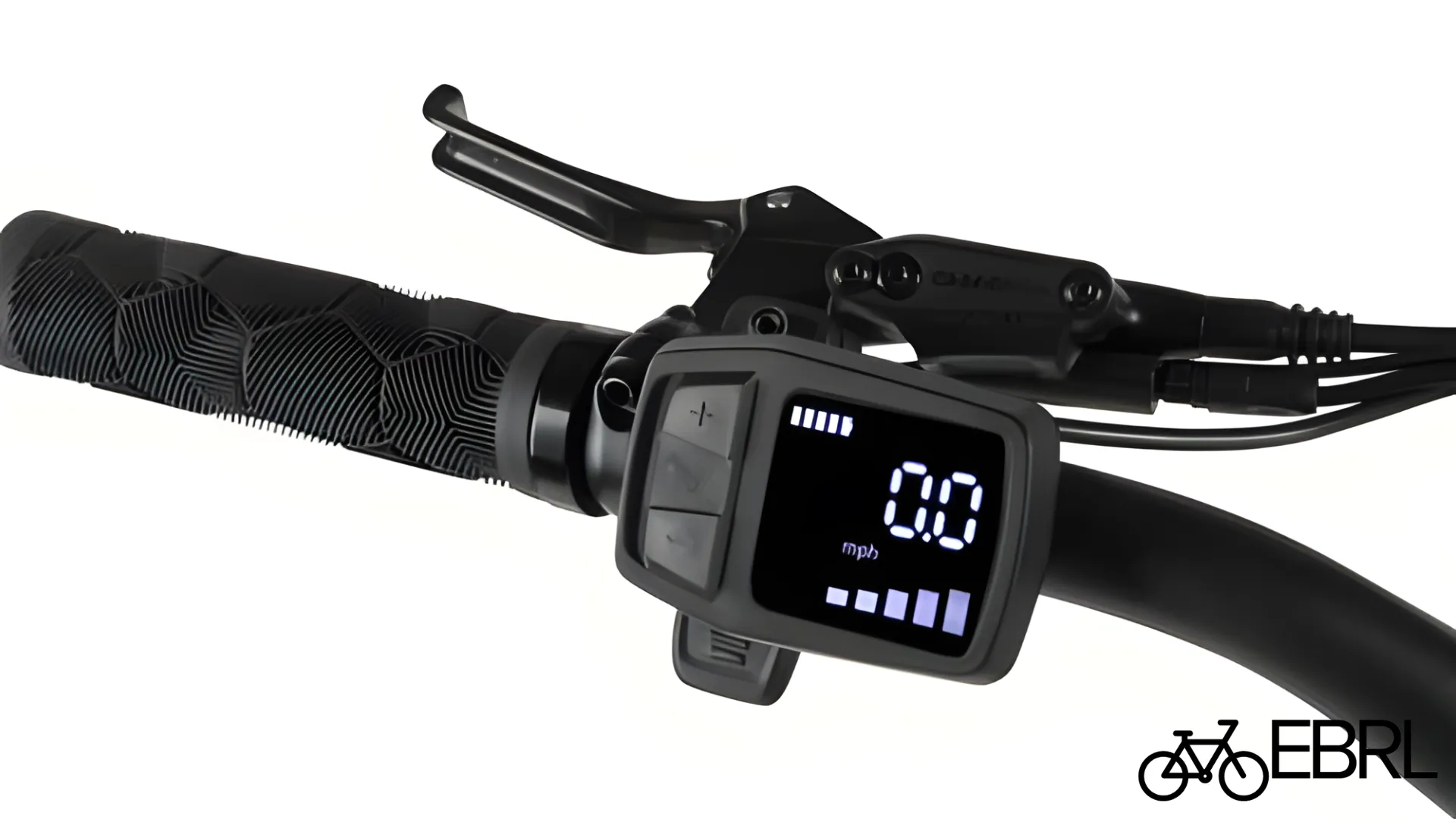
The display is clean and functional, though it doesn't have app connectivity
The Koa Rev 3 uses an Ananda-integrated LCD display that shows speed, battery level, assist level, and trip data. It's clear and functional. In direct sunlight, readability is decent but not great. Glare is noticeable on very bright days. There's no backlight adjustment, which would have been a nice addition for low-light riding. That said, everything you actually need to know while riding is visible at a glance.
No app connectivity on this model. No GPS, no Bluetooth pairing, no remote diagnostics. For some riders that's a dealbreaker. For others, it's actually refreshing. You just ride. If you want smart bike features, that's the lane the Aventon Aventure 3 (with its 4G ACU module) is built for.
Out-of-box assembly is straightforward. Retrospec includes all the tools you need folded into a single multi-tool, which is a thoughtful touch. Most new riders can get the bike road-ready in 30-45 minutes. The Ananda system's five PAS levels are intuitive to use from day one, with no manual required.
Who This E-Bike Is For
Commuters: Yes, with caveats. The integrated lights, included fenders, and reliable brakes make the Koa Rev 3 legitimately practical for daily commuting on routes under 20 miles each way. It's heavier than a dedicated commuter ebike, which matters if you need to carry it up stairs or onto transit. But for point-to-point riding with secure parking, it works well.
Casual and weekend riders: This is the sweet spot. Riders who want to explore a mix of bike paths, light gravel, and neighborhood streets will love how the Koa Rev 3 handles everything without complaint. It's also a strong choice for newer riders who want a confidence-inspiring platform that's stable, forgiving, and not too intimidating.
Off-road riders: It handles light trails, packed dirt, and gravel comfortably. But be honest with yourself. If you're planning to hit technical singletrack or steep descents regularly, the front-only suspension and hub motor setup isn't built for that. For serious trail riding, you'd want a purpose-built trail ebike with full suspension.
Alternatives to Consider
Retrospec Koa Rev 3 vs. Aventon Aventure 3
Choose the Koa Rev 3 if...
- Your budget tops out at $1,499 and you don't want to stretch
- You don't care about app connectivity or smart features
- You want a simpler riding experience with no Bluetooth setup
Choose the Aventon Aventure 3 if...
- You want Class 3 speeds and a torque sensor for more intuitive assist
- Smart security features (geofencing, remote wheel lock) matter to you
- You're willing to pay around $200 more for a more feature-rich platform
Retrospec Koa Rev 3 vs. Rad Power RadRover 6 Plus
Choose the Koa Rev 3 if...
- You want a genuinely well-spec'd fat tire ebike without spending $1,999
- LG battery quality and hydraulic brakes at $1,499 is the value story you're here for
- You're a newer rider who doesn't need Rad's deeper ecosystem of accessories
Choose the RadRover 6 Plus if...
- You want Rad Power's established dealer network and support infrastructure
- More refined tuning and a longer track record of customer service matter to you
- You're a more experienced rider who wants the extra polish that $500 buys
Final Verdict
The Retrospec Koa Rev 3 is a genuinely solid electric fat bike that earns its $1,499 price tag. The LG battery, Tektro hydraulic brakes, and lighter-than-average frame make it feel more premium than its price suggests. The trade-offs are real: no torque sensor, no app connectivity, and Class 2 speed limits only. But for the rider this bike is built for, none of those gaps sting much.
If you're a casual commuter, weekend explorer, or first-time fat tire ebike buyer who wants one bike that handles pavement and light gravel without fuss, the Koa Rev 3 is easy to recommend. Catch it on sale and it becomes a near-obvious yes. If you're chasing Class 3 speeds, smart connectivity, or serious trail capability, spend a bit more and look at the Aventon Aventure 3 or Retrospec's own Koa Rev+ 2 instead.
FAQs
Is the Retrospec Koa Rev 3 good for commuting?
Yes, for most commuting use cases it works well. The integrated front and rear lights (with brake indicator), included fenders, and reliable Tektro hydraulic brakes make it practical for daily use. It's heavier than a dedicated commuter ebike at 64.5 lbs, so factor that in if you need to carry it up stairs or onto transit. For routes up to 15-20 miles each way with secure parking, it handles commuting fine.
How fast does the Koa Rev 3 go?
The Koa Rev 3 is a Class 2 ebike with a top assisted speed of 20 mph. It has five pedal assist levels and a push-to-go throttle. If you want faster speeds (up to 28 mph), Retrospec's Koa Rev+ 2 is the Class 3 option in the same family.
What is the real-world range of the Koa Rev 3?
Retrospec claims up to 75 miles, which represents best-case conditions at low assist on flat ground. In mixed riding (pavement plus gravel, PAS 2-3), 45-55 miles is a realistic expectation. Riding primarily in PAS 5 or heavy throttle use will bring that down to 25-30 miles. Rider weight, terrain, and assist level all play a significant role.
Is the Koa Rev 3 worth buying in 2026?
Yes, it's still a competitive pick in 2026 for its price range. The LG battery quality and Tektro hydraulic brakes are meaningful differentiators at $1,499. Newer options like the Aventon Aventure 3 have raised the bar on smart features and torque sensor performance, but if you don't need those extras, the Koa Rev 3 gives you a lot of bike for the money, especially on sale.
How does the Koa Rev 3 compare to the Aventon Aventure 3?
The Aventon Aventure 3 costs around $200 more and brings a 750W motor, a torque sensor, and 4G smart connectivity (geofencing, remote wheel lock, app integration). If those features matter to you, the Aventure 3 is the better bike. But if you want a simpler, lighter experience with solid brakes and a quality battery at a lower price, the Koa Rev 3 holds up well in the comparison.
What makes the Koa Rev 3 battery stand out?
The Koa Rev 3 uses LG 21700 cells, which are known for consistency and longevity. The battery carries both UL2849 and UL2271 safety certifications, meaning it's been independently tested for electrical system safety and battery safety. At $1,499, that level of battery certification isn't guaranteed. It's a real differentiator for Retrospec.
Can the Koa Rev 3 handle off-road trails?
It handles light off-road well: packed dirt, gravel paths, and moderate terrain are all comfortable. The 26x4.0" fat tires with puncture protection and the 80mm ZOOM suspension fork do solid work absorbing trail vibration. It's not built for aggressive singletrack or technical descents. For that you'd want a full-suspension trail ebike. But for mixed-terrain adventuring and light trail use, it's capable enough.
Video Review
A hands-on ride review of the Koa Rev 3 covering first impressions, motor feel, braking, and real-world terrain testing to complement the written breakdown above.