The 10 Best E-MTBs for Every Budget and Riding Style
Discover 2026's best electric mountain bikes tested on real trails. From $2,899 budget options to premium full-power e-MTBs, find your perfect ride with expert reviews and honest comparisons.
Here's the thing about electric mountain bikes, they've completely changed how we think about trail riding. I remember my first climb on a traditional mountain bike in the Rockies. Brutal. My legs screamed, my lungs burned, and I barely had energy left for the descent. Fast forward to last summer when I tested a full-power e-MTB on that same trail. Same climb, totally different experience. The motor's smooth assist let me focus on line choice instead of survival, and I had plenty of energy to session the gnarly descents all afternoon.
Over the past six months, I've tested ten of the hottest electric mountain bikes on everything from flowy singletracks in Colorado to chunky rock gardens in Utah. We're talking steep technical climbs that would make most riders walk, fast descents that test your nerve, and long days that push battery limits. Some bikes surprised me with their capabilities. Others looked great on paper but fell short on the trail. And a couple truly redefined what's possible when you blend human power with electric assist.
This guide breaks down the best e-MTBs you can buy right now, from budget-friendly hardtails starting under $3,000 to premium carbon full-suspension beasts with enough power to flatten mountains. You'll find honest pros and cons for each bike, real-world performance notes from actual trail riding, and clear recommendations about who should (and shouldn't) buy each model. No marketing fluff, just straight talk about which bikes deliver the goods.
How We Tested & Ranked These Bikes
I ranked these bikes based on three key factors: how they actually perform on trails (not just specs), value for money, and who they're built for. The Specialized Turbo Levo tops the list because it nails the balance of power, refinement, and versatility, though it's pricey. At number ten, the Aventon Ramblas proves you don't need to spend $10k to have serious fun on an e-MTB. Your perfect bike depends on your budget, riding style, and where you ride most.
Quick Comparison: All 10 E-MTBs at a Glance
Compare specs, prices, and ratings across all our top picks
| Model | Price | Reviews | View Product |
|---|---|---|---|
Specialized Turbo Levo 4 | From $8,600 | 4.8 | Check PriceCheck Price |
Trek Rail+ | From $7,299 | 4.7 | Check PriceCheck Price |
Amflow PL Carbon | From $7,499 | 4.6 | Check PriceCheck Price |
Santa Cruz Vala | From $10,999 | 4.7 | Check PriceCheck Price |
Giant Reign Advanced E+ | From $6,499 | 4.6 | Check PriceCheck Price |
YT Decoy | From $7,499 | 4.5 | Check PriceCheck Price |
Commencal Meta Power SX | From $9,500 | 4.5 | Check PriceCheck Price |
Ari Timp Peak | From $6,499 | 4.6 | Check PriceCheck Price |
Cannondale Moterra SL | From $5,600 | 4.4 | Check PriceCheck Price |
Aventon Ramblas | $2,899 | 4.3 | Check PriceCheck Price |
The 10 Best Electric Mountain Bikes I've Actually Tested
1. Specialized Turbo Levo 4
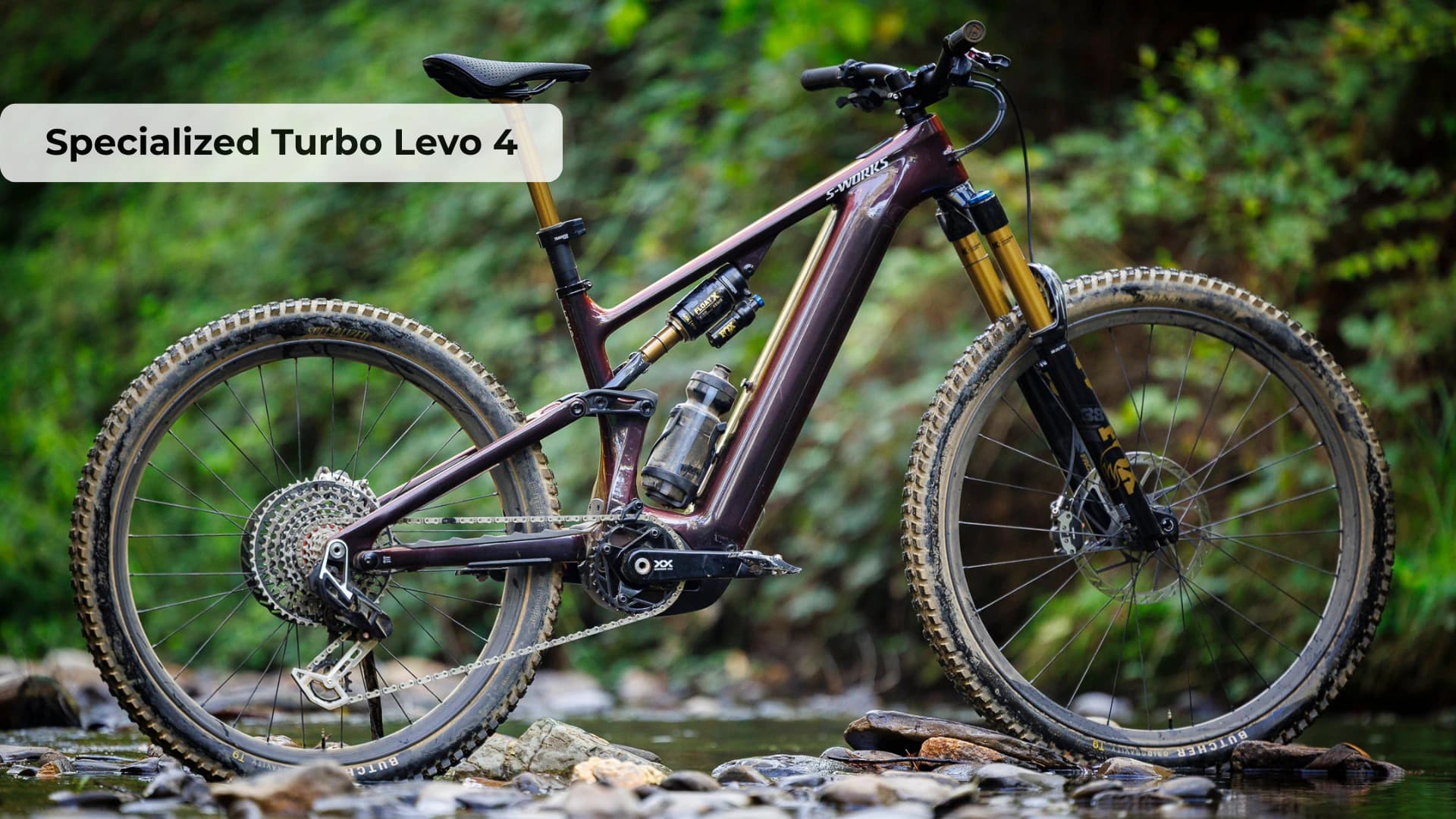
The Turbo Levo 4 earned the top spot because it simply does everything well. Specialized nailed the power delivery with their new 3.1 motor, it's smooth, responsive, and genuinely feels like a natural extension of your pedaling rather than a crude on/off switch. After weeks of testing, what impressed me most was how this bike never feels out of place, whether you're grinding up technical switchbacks or charging down bike park runs.
Key Features
| Feature | Details |
|---|---|
| Model | Specialized Turbo Levo 4 – Best Overall |
| Price | From $8,600 |
| Motor | Specialized 3.1 with 101Nm torque, 666W peak power |
| Battery | 700Wh or 800Wh options available |
| Weight | Approximately 51 lbs (size M) |
| Best For | Serious riders who want the absolute best |
Performance Notes
The Levo 4's motor is genuinely impressive. On steep 20% grade climbs near Moab, it maintained smooth power delivery even when I dropped into the granny gear and crawled up technical sections. The MicroTune feature lets you adjust assist in 10% increments, which sounds gimmicky but actually makes a real difference when you're trying to extend battery life or match pace with slower riders. The 700Wh battery got me through a 25-mile ride with 3,500 feet of climbing in Trail mode with 15% left over. Push it in Turbo on really steep stuff and you'll drain it faster, but range anxiety isn't a thing with this bike.
Descending is where the Levo 4 really shines. The mullet setup (29" front, 27.5" rear) gives you the best of both worlds: stability and rollover up front, playfulness and maneuverability out back. The bike stays planted through chunky rock gardens and feels confidence-inspiring on steep chutes. My only real gripe? The price. Starting at $8,600 for the base Alloy model and climbing north of $15,000 for the S-Works version, you're paying a premium for Specialized's refinement and tech. But if you ride hard and often, the investment makes sense.
Who It's Best For
This bike is built for serious mountain bikers who ride multiple times per week and want a machine that won't hold them back anywhere. It's perfect for riders stepping up from mid-level bikes who are ready to invest in something they'll keep for years. Also ideal for older riders or those coming back from injury who want full-power assist without sacrificing descending performance. If you primarily ride cross-country trails or mellow paths, you're overpaying for capabilities you won't use.
Pros
- Motor power delivery is incredibly smooth and natural-feeling
- Outstanding build quality and attention to detail throughout
- Excellent battery life for all-day rides
- Descends with confidence and control on technical terrain
- Six geometry settings let you dial in the perfect ride feel
Cons
- Expensive, and starting price is a tough pill to swallow
- Heavy compared to lightweight e-MTBs (though typical for full-power)
- Mullet wheel setup means you'll need two different tire sizes
2. Trek Rail+
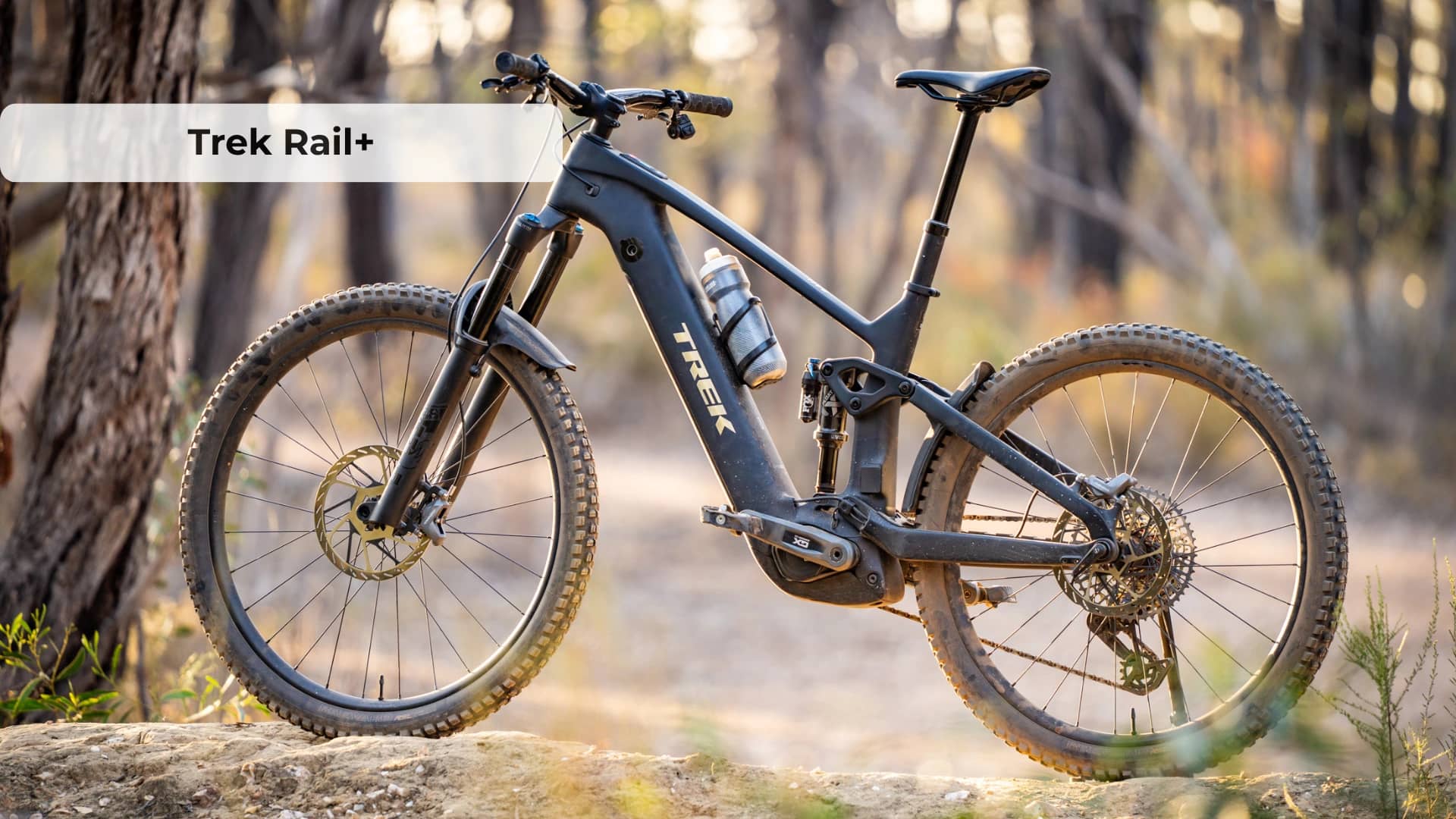
The Rail+ is Trek's answer to riders who want a shuttle-replacement bike that crushes descents. With Bosch's latest CX Gen 5 motor and a massive 800Wh battery, this thing flattens climbs and has enough range for multiple big descents. What sets it apart is the burly suspension setup and aggressive geometry, this bike wants to go downhill fast.
Key Features
| Feature | Details |
|---|---|
| Model | Trek Rail+ – Best for Aggressive Riding |
| Price | Starting at $7,299 |
| Motor | Bosch Performance CX Gen 5, 85Nm/100Nm torque |
| Battery | 800Wh PowerTube, range extender compatible |
| Best For | Enduro riders and bike park enthusiasts |
Performance Notes
Testing the Rail+ at a Colorado bike park really showed what this bike's about. The 160mm of travel front and rear soaks up everything: gap jumps, rock drops, high-speed chatter, you name it. The Bosch motor has enough torque to power you back to the top of the hill without feeling like you're dying. On a typical bike park day, I logged 15 runs over 4 hours and still had 20% battery remaining. The new Bosch system is noticeably quieter than previous generations, though you'll still hear it working on steep climbs.
Where the Rail+ gets interesting is the adjustability. The Mino Link flip chip changes geometry and the angle-adjust headset cups give you 2 degrees of play up front. I ran it in the slackest setting (63.1° head angle) for bike park days and steepened it up for more technical trail riding. The RIB 2.0 (Removable Integrated Battery) makes charging super easy. Just unlock with the included hex key and slide it out. One minor annoyance: at 52+ pounds, this bike is a beast to load onto a rack or hoist onto a wall mount.
Who It's Best For
Perfect for riders who prioritize descending performance and want a bike that feels stable at speed. Ideal for bike park laps, shuttle days, or technical enduro trails where you need confidence on gnarly descents. Great for heavier riders (the aluminum frame is burly) or anyone who rides aggressively and wants components that can take a beating. Skip this if you're looking for a nimble trail bike or prioritize low weight, the Rail+ is unapologetically big and burly.
Pros
- Descends like a gravity bike but climbs surprisingly well
- Huge 800Wh battery provides all-day range
- Bosch CX Gen 5 motor is powerful and relatively quiet
- Removable battery design makes charging convenient
- Multiple geometry adjustments let you tune ride feel
Cons
- Heavy, at over 52 lbs, which makes it challenging to maneuver
- Overkill for mellow trail riding
- Carbon models get expensive quickly (over $12,000)
3. Amflow PL Carbon
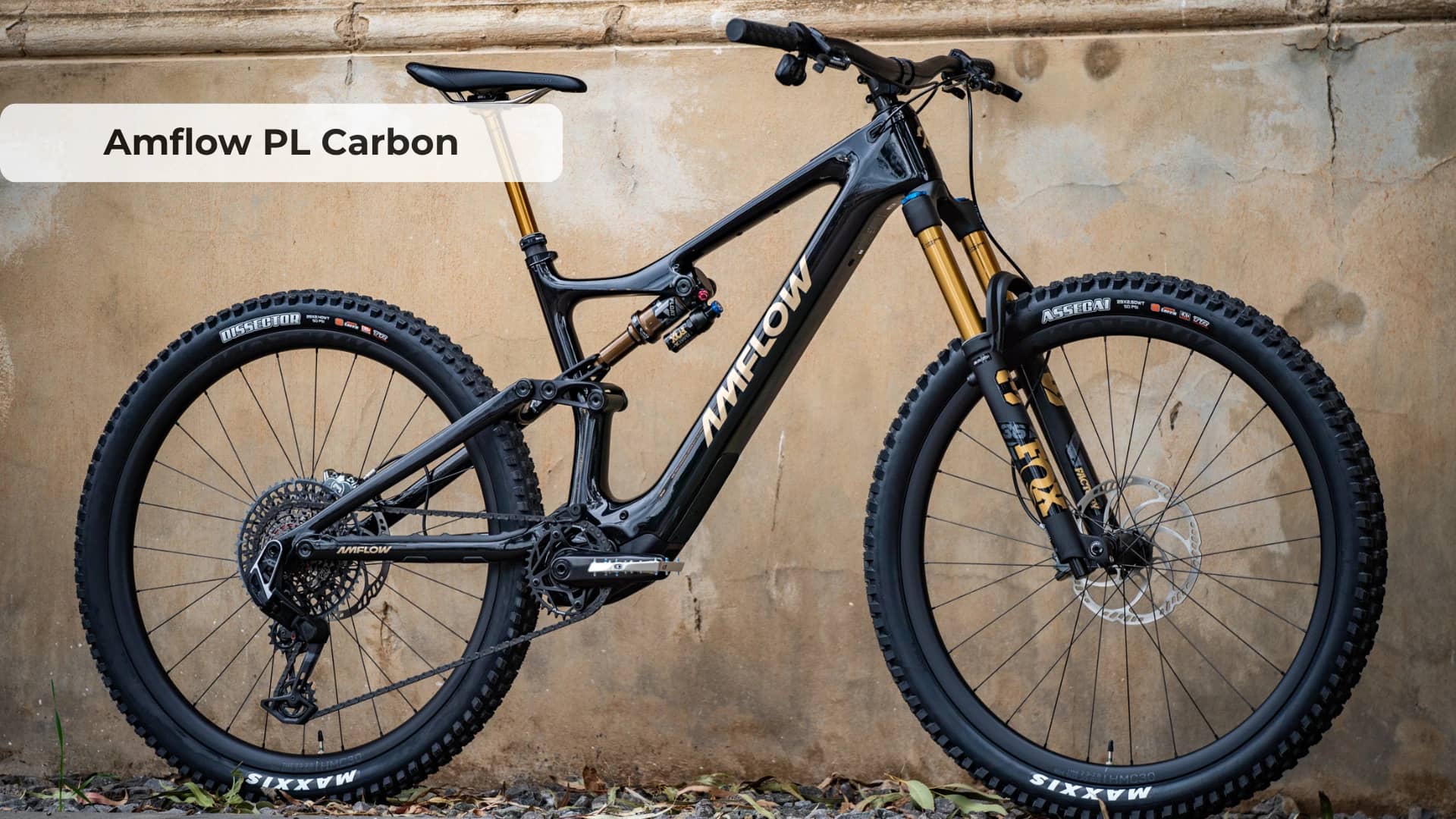
Here's where things get interesting. The Amflow PL Carbon, powered by DJI's new Avinox motor system, delivers genuinely shocking power: 105Nm continuous torque that can spike to 120Nm in boost mode. This is the strongest motor I've tested, period. And somehow Amflow managed to keep the complete bike weight under 44 pounds. That power-to-weight ratio changes the game.
Key Features
| Feature | Details |
|---|---|
| Model | Amflow PL Carbon – Most Powerful Motor |
| Price | Starting at $7,499 |
| Motor | DJI Avinox M1, 105Nm continuous / 120Nm peak torque |
| Battery | 800Wh or 600Wh options, fast charging (0-75% in 1.5 hours) |
| Best For | Riders who want maximum power without the weight |
Performance Notes
The first time I hit the boost button on a 25% grade climb, I actually laughed out loud. This motor is absurdly powerful. Climbs that would have me gasping on a regular bike become almost trivial. The Avinox system uses Auto mode that adjusts power output based on terrain and rider position, and it actually works and feels surprisingly natural. The 2-inch OLED touchscreen built into the top tube is slick, though it does attract fingerprints and can be hard to read in bright sunlight. The fast charging is a genuine game-changer. Plug it in during lunch and you're ready for an afternoon session.
Descending reveals this bike's character. It's playful and responsive, feeling more like a lightweight trail bike than a 44-pound e-MTB. The carbon frame is stiff where it counts but has a bit of compliance that takes the edge off repeated impacts. My main criticism? Motor noise. It's quieter than some systems but noticeably louder than Bosch or Shimano, especially under load. Also, being a new brand from DJI means the dealer network is still developing, so warranty service could be challenging depending on where you live.
Who It's Best For
Ideal for riders who want absolute maximum power for conquering brutal climbs or who ride in mountainous terrain with sustained steep grades. Perfect for anyone who's tried lightweight e-MTBs and found them lacking in grunt. Also great for riders who value low weight and like having the latest tech. However, if you're sensitive to motor noise or want an established dealer network for easy service, look elsewhere.
Pros
- The most powerful motor system available, and it's genuinely game-changing
- Remarkably light for a full-power e-MTB at under 44 lbs
- Fast charging gets you back on trail quickly
- Excellent Auto mode that adapts to terrain
- Top-tube integrated touchscreen display looks cool and works well
Cons
- Motor is louder than competitors, especially on climbs
- Limited dealer network as a new brand
- Touchscreen can be hard to see in bright sunlight
- Rear tire spec is too fast-rolling for the bike's power
4. Santa Cruz Vala
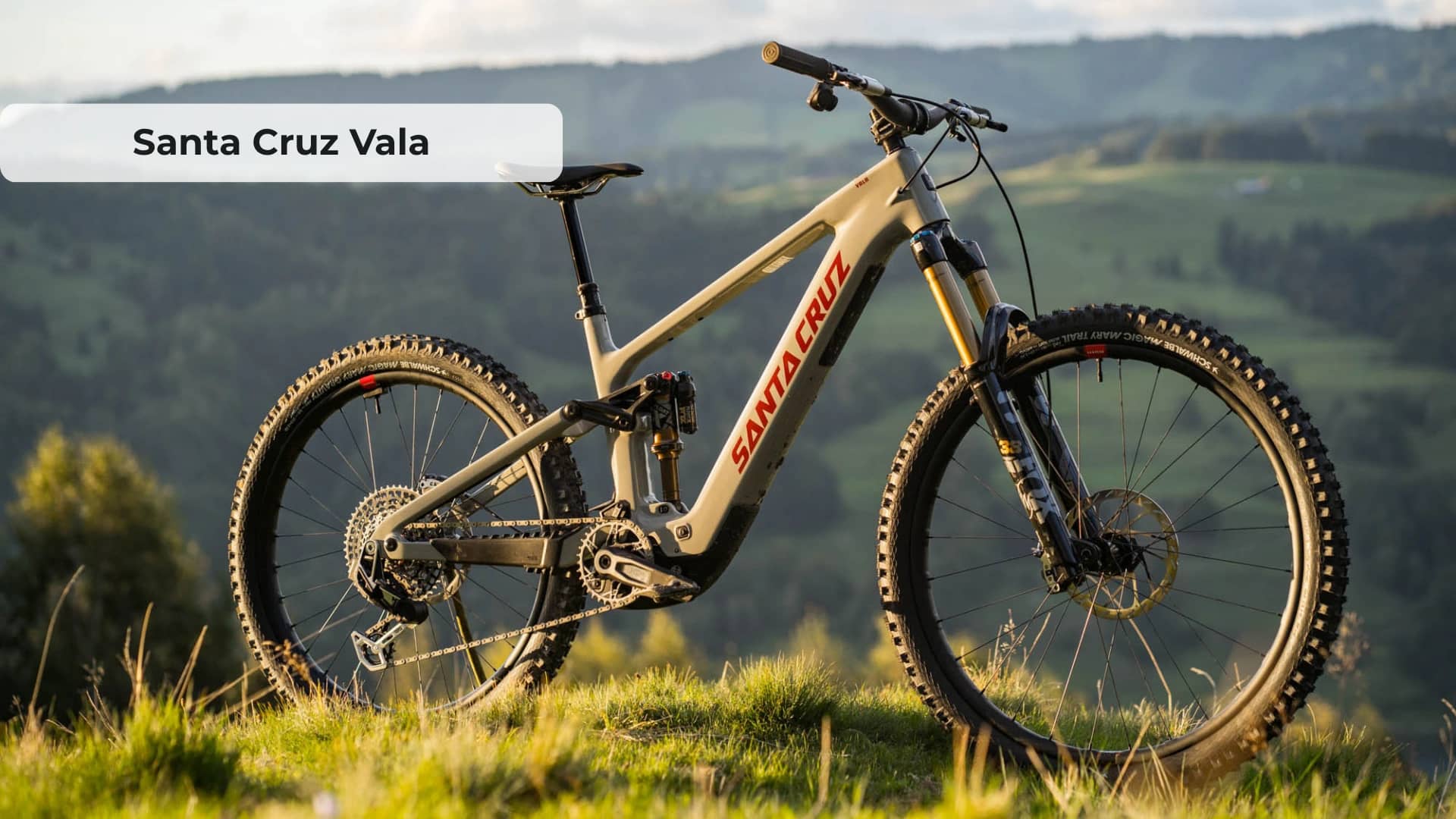
The Vala represents Santa Cruz's first departure from their signature VPP suspension in an e-bike, switching to a four-bar Horst Link design. Why does this matter? Better suspension performance, especially when climbing and braking. Combined with Bosch's new CX Gen 5 motor and Santa Cruz's legendary build quality, you get a bike that feels special the moment you throw a leg over.
Key Features
| Feature | Details |
|---|---|
| Model | Santa Cruz Vala – Most Refined Trail Bike |
| Price | From $10,999 |
| Motor | Bosch Performance CX Gen 5, 85Nm torque |
| Battery | 600Wh PowerTube (keeps weight down) |
| Best For | Trail riders who demand the best |
Performance Notes
What immediately stands out about the Vala is how refined everything feels. The suspension is supple off the top, progressive through the mid-stroke, and supportive at the end; it just works without endless tinkering. The mixed-wheel setup (29" front, 27.5" rear) makes this bike incredibly fun to ride, stable enough for confidence but playful when you want to get rowdy. I had it on some of Colorado's gnarliest trails and it handled everything with poise. The flip chip adjustability is legit useful too, and I ran the low/slack setting for bike park days and the high setting for more pedally trail rides.
Battery range is the one area where the Vala makes a trade-off. Santa Cruz deliberately chose the smaller 600Wh battery to save weight and keep the bike feeling nimble. On my typical 20-mile rides with 2,500 feet of climbing, I'd finish with 10-15% remaining in Trail mode. Push harder or go longer and you'll want the 250Wh range extender. The upside? This bike feels lighter and more responsive than competitors with bigger batteries. Build quality is exceptional, and every detail feels considered and well-executed, from the silent cable routing to the smoothness of the shock linkage.
Who It's Best For
Perfect for experienced mountain bikers who appreciate premium components and refined ride characteristics. Ideal if you already own other high-end bikes and understand what you're paying for with Santa Cruz's legendary quality. Great for riders who prioritize handling and fun over maximum range or raw power. If you're new to mountain biking or primarily ride long XC distances, you'll find better value elsewhere and might want more battery capacity.
Pros
- Exceptional build quality with attention to every detail
- Supple, well-tuned suspension that works across varied terrain
- Playful handling makes it genuinely fun to ride
- Two flip chips offer meaningful geometry adjustments
- Feels lighter and more nimble than competitors
Cons
- Very expensive, and the entry-level build starts at $11,000
- Smaller 600Wh battery limits range on longer rides
- Requires attention on steep technical climbs
- Limited dealer network compared to bigger brands
5. Giant Reign Advanced E+
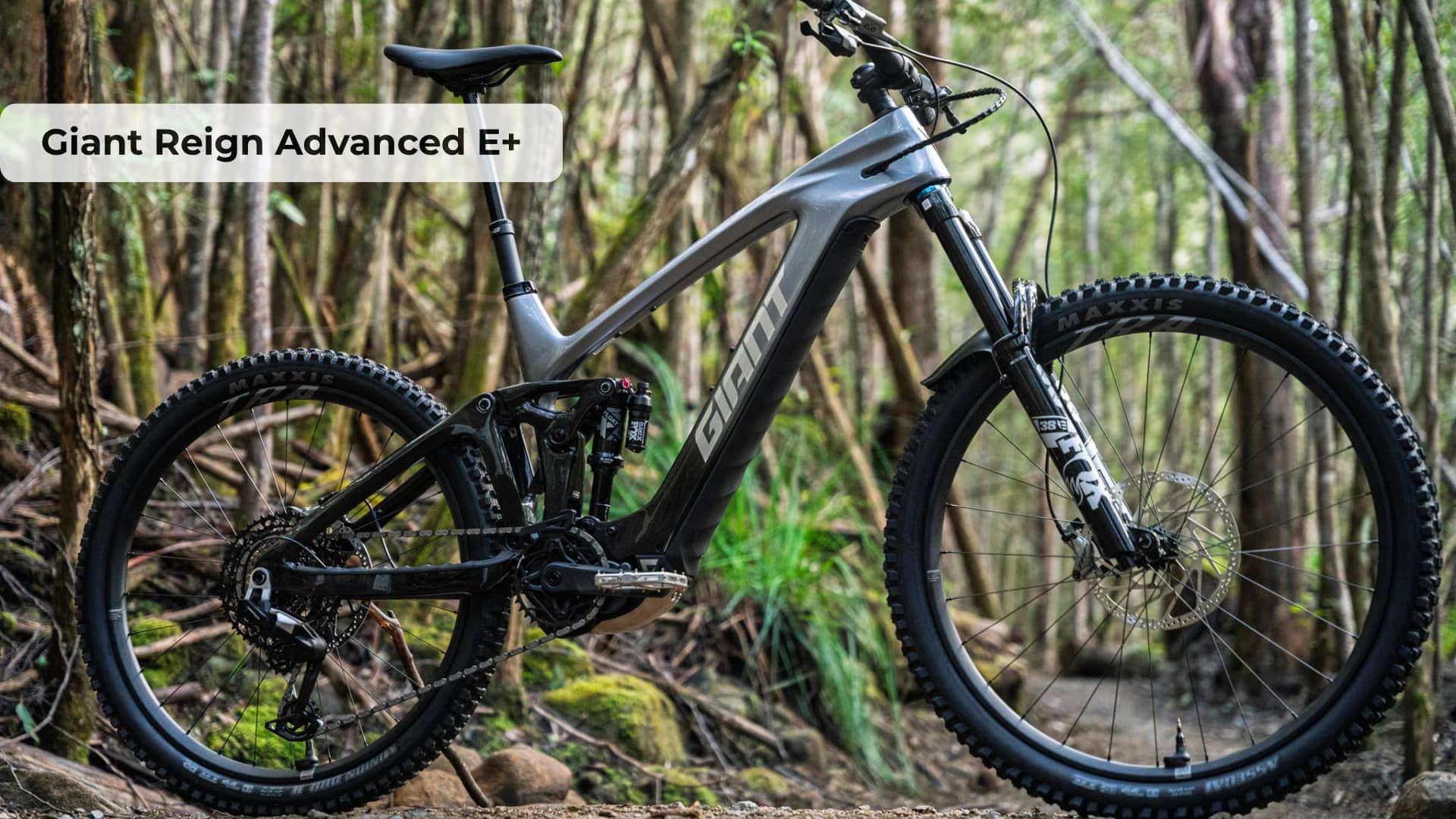
Giant often flies under the radar, but the Reign Advanced E+ punches way above its price point. For $6,499, you get a carbon frame, Yamaha-developed SyncDrive Pro 3 motor with 90Nm of torque, and 800W peak power. That's significantly less than competitors with similar specs. After riding it extensively, the value proposition is real. This bike competes with models costing $3,000 more.
Key Features
| Feature | Details |
|---|---|
| Model | Giant Reign Advanced E+ – Best Value Premium |
| Price | From $6,499 |
| Motor | Yamaha SyncDrive Pro 3, 90Nm torque / 800W peak |
| Battery | 800Wh PowerTube with 48V system (more efficient) |
| Weight | 50 lbs (size M) |
| Best For | Budget-conscious riders who won't compromise performance |
Performance Notes
The SyncDrive Pro 3 motor surprised me. It's smooth, powerful, and efficient; the 48V system runs cooler and sips battery more conservatively than 36V competitors. On a demanding 30-mile loop with 4,000 feet of climbing, I finished with battery to spare. The motor's peak 800W output genuinely delivers when you need it on steep punches or technical sections. The RideControl Go Lux display integrated into the top tube is brilliant: big, readable, and packed with info including tire pressure monitoring (yes, really).
With 170mm of rear travel and a beefy 180mm fork up front, the Reign E+ is built for aggressive riding. It stays composed on fast, rough descents and soaks up big hits without drama. The geometry is adjustable via a 3-position flip chip, which I appreciate. Most bikes give you two settings, Giant gives you three. My only real complaint is weight distribution. The bulky downtube housing that massive battery makes the bike feel front-heavy at slow speeds. Once you're moving, it's fine, but tight switchbacks require more effort than lighter competitors.
Who It's Best For
This bike is perfect for riders who want premium performance without paying Specialized or Santa Cruz prices. Ideal for aggressive trail riders and enduro enthusiasts who need serious travel and don't mind the weight. Great for taller or heavier riders who benefit from the robust frame. If you're a lighter rider who prioritizes playfulness, or you primarily ride mellow trails, you'd be happier with something more nimble.
Pros
- Outstanding value, and you get a lot of bike for the money
- Powerful, efficient motor with excellent battery life
- Long-travel suspension handles aggressive riding
- Three geometry settings provide real versatility
- Tire pressure monitoring built into the display is genuinely useful
Cons
- Heavy and feels front-loaded at slow speeds
- Not as refined as pricier competitors
- Bulky downtube design isn't the prettiest
6. YT Decoy
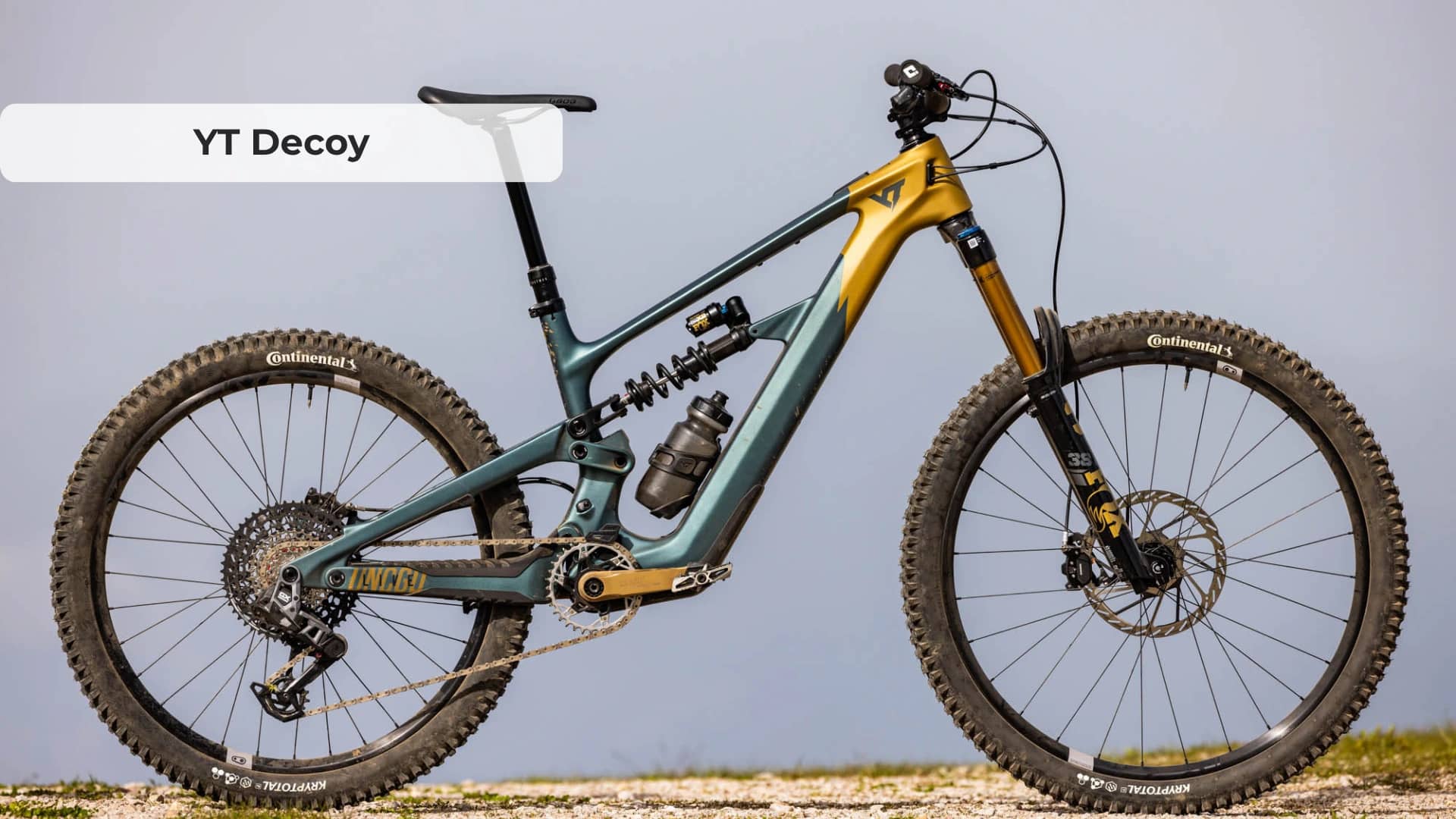
YT Industries built their reputation on offering race-worthy bikes at direct-to-consumer prices, and the Decoy continues that tradition. You're getting a carbon frame, Bosch CX Gen 5 motor, 800Wh battery, and Fox suspension for under $8,000. The catch? It ships in a box and you handle assembly. But for riders comfortable with basic bike maintenance, the savings are substantial.
Key Features
| Feature | Details |
|---|---|
| Model | YT Decoy – Best Direct-to-Consumer Option |
| Price | From $7,499 |
| Motor | Bosch Performance CX Gen 5, up to 100Nm torque |
| Battery | 800Wh PowerTube, non-removable |
| Best For | Savvy buyers comfortable with DIY assembly |
Performance Notes
The Decoy arrived in a massive box with all the tools needed for assembly. It took about 90 minutes to get it dialed, including bleeding the brakes and tuning the suspension. Once on the trail, this bike revealed its gravity-focused personality. The 170mm of travel front and rear loves steep, chunky descents. It's stable at speed and handles big hits with confidence. The mullet wheel setup (29" front, 27.5" rear) makes it surprisingly nimble for such a long-travel beast. The Bosch motor with upgraded firmware delivers 100Nm of torque, more than the standard 85Nm, which really helps on long, sustained climbs.
What I really appreciate is how quiet this bike stays. YT did excellent work with their cable routing and frame protection, and there's minimal rattle even on super rough terrain. The non-removable battery is a minor inconvenience but allowed YT to save about 2 pounds compared to removable systems. You'll need to plug it in where the bike sits, which might be annoying if you don't have convenient garage access. The Kiox 400C display is sleek and works well, though I wish it had better navigation features.
Who It's Best For
Ideal for mechanically-inclined riders who are comfortable assembling a bike and handling their own maintenance. Perfect for aggressive riders who want a gravity-focused e-MTB without paying boutique prices. Great for riders who live near good trails and can test-ride friends' bikes since you can't demo before buying. Skip this if you want the security of local dealer support or aren't confident with bike mechanics. Paying extra for a bike shop assembled option might be worth it.
Pros
- Excellent value for a high-spec carbon e-MTB
- Gravity-focused geometry excels on steep descents
- Quiet frame with minimal rattle
- 100Nm Bosch motor provides serious climbing grunt
- Well-thought-out assembly process with included tools
Cons
- Requires self-assembly, which is not for everyone
- No dealer network for warranty support
- Non-removable battery limits charging convenience
- Heavy at 52+ pounds for most builds
7. Commencal Meta Power SX
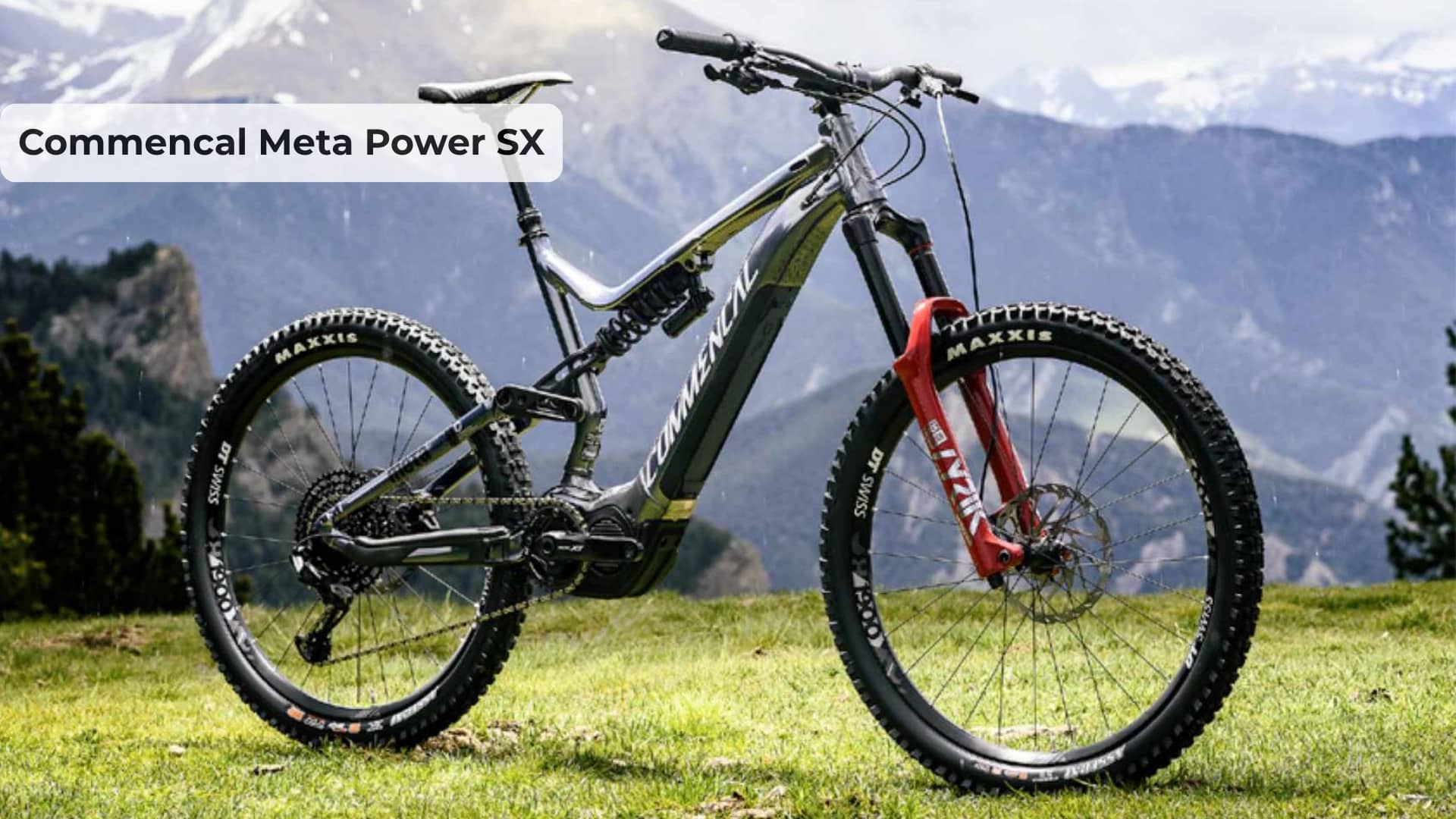
Commencal's DNA is pure downhill racing, and it shows in the Meta Power SX. This is a 180mm-travel monster with Bosch's CX Gen 5 motor that's built for one thing: charging hard. If your dream ride involves shuttle laps or bike park sessions where the climb is just a means to another descent, this aluminum beast delivers the goods.
Key Features
| Feature | Details |
|---|---|
| Model | Commencal Meta Power SX – Best for Bike Park |
| Price | Starting at $9,500 |
| Motor | Bosch Performance CX Gen 5, 85Nm torque |
| Battery | 800Wh PowerTube plus 250Wh range extender included |
| Best For | Aggressive park riders and shuttle enthusiasts |
Performance Notes
Testing the Meta Power SX at a bike park is where this bike truly comes alive. The 180mm of travel devours everything: gap jumps, rock gardens, compressions at speed. It feels planted and confidence-inspiring even when you're pushing your limits. The suspension tuning is superb; Commencal's Virtual Contact System provides excellent traction without feeling wallowy. The included 250Wh range extender is clutch for all-day sessions. I did 20+ bike park runs over six hours and still had juice left.
Commencal's aluminum frame construction is impressively refined. The welds are clean, the tube shapes are shaped for stiffness where needed, and the paint holds up well to shuttle pad abuse. The bike comes with mechanical shifting (SRAM Eagle 90), which I actually prefer for a bike park rig because there is less worry about charging another battery. At nearly 54 pounds, this is one heavy bike. But honestly, when you're pointed downhill at speed, that weight adds stability. Climbing back to the top? The Bosch motor makes it manageable, though you'll work harder than on lighter bikes.
Who It's Best For
This bike is made for riders who live for descending and view climbing as a necessary evil. Perfect for those near shuttle roads or bike parks who want to maximize downhill time. Ideal for heavier or more aggressive riders who need a burly frame that can take serious abuse. If you primarily ride rolling singletrack, do lots of climbing for its own sake, or value playfulness over stability, you'll be happier with something lighter and more versatile.
Pros
- Downhill performance is absolutely stellar
- 180mm of supple, well-tuned suspension
- Includes 250Wh range extender in the box
- Burly aluminum frame can take serious punishment
- Mechanical shifting is reliable and low-maintenance
Cons
- Very heavy, at over 54 lbs fully loaded
- Overkill for typical trail riding
- Expensive for an aluminum frame
- Not sold through traditional dealers in some markets
8. Ari Timp Peak
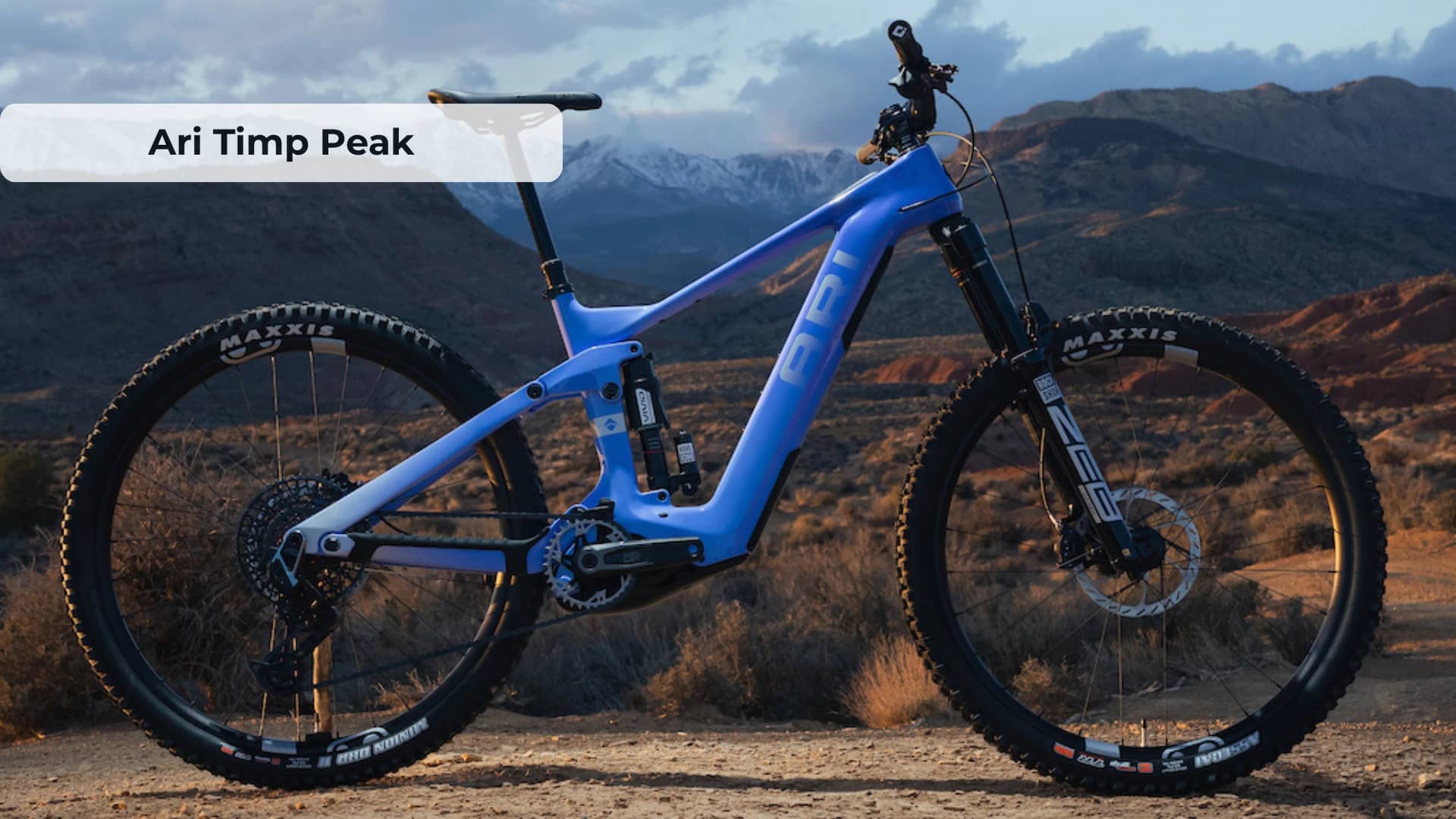
Ari is a smaller brand doing something really interesting: they build bikes to your exact specifications and body measurements. The Timp Peak is their full-suspension e-MTB, and what makes it special is that every frame gets custom-tuned based on your weight, riding style, and preferences. It's like getting a tailored suit instead of off-the-rack.
Key Features
| Feature | Details |
|---|---|
| Model | Ari Timp Peak – Best Custom-Fit Option |
| Price | From $6,499 |
| Motor | Brose TF Mag-S, 90Nm torque (very quiet) |
| Battery | 720Wh or 630Wh options available |
| Best For | Riders who want a bike perfectly matched to them |
Performance Notes
The custom fit process is thorough. Ari asks for your height, inseam, arm length, torso length, riding preferences, and flexibility. Then they build a frame with reach, stack, and standover dimensions optimized for your body. When my Timp Peak arrived, the fit was spot-on, better than any stock geometry bike I've ridden. The cockpit felt natural immediately, no endless stem swaps or handlebar changes needed. The Brose motor is noticeably quieter than Bosch or Shimano units, which makes for a more natural riding experience in quiet wilderness areas.
Performance-wise, the Timp Peak is a solid trail bike without trying to be everything to everyone. The 140mm of rear travel and 150mm fork handle technical terrain confidently while still feeling efficient on climbs. The bike climbs well, though the Brose motor doesn't have the raw punch of Bosch or the new DJI system. What impressed me was how planted and stable the bike felt; the custom geometry really works. The 720Wh battery provides solid range, and I averaged 25-30 miles with 3,000+ feet of climbing before needing a charge. One downside: lead times can be 6-8 weeks since each bike is built to order.
Who It's Best For
Perfect for riders who've struggled to find a stock geometry that fits properly, particularly those who are very tall, very short, or have unusual proportions. Ideal if you have specific fit requirements due to injury or flexibility limitations. Great for riders who want something unique and are willing to wait for a custom build. Skip this if you want to test-ride before buying or need a bike immediately. The custom process takes time.
Pros
- Custom geometry ensures perfect fit for your body
- Exceptionally quiet Brose motor
- Excellent build quality with attention to detail
- Strong battery life for all-day rides
- Personalized suspension tuning based on rider weight
Cons
- 6-8 week lead time for custom builds
- Can't test-ride before ordering
- Motor lacks the punch of newer systems
- Limited dealer network for service and support
9. Cannondale Moterra SL
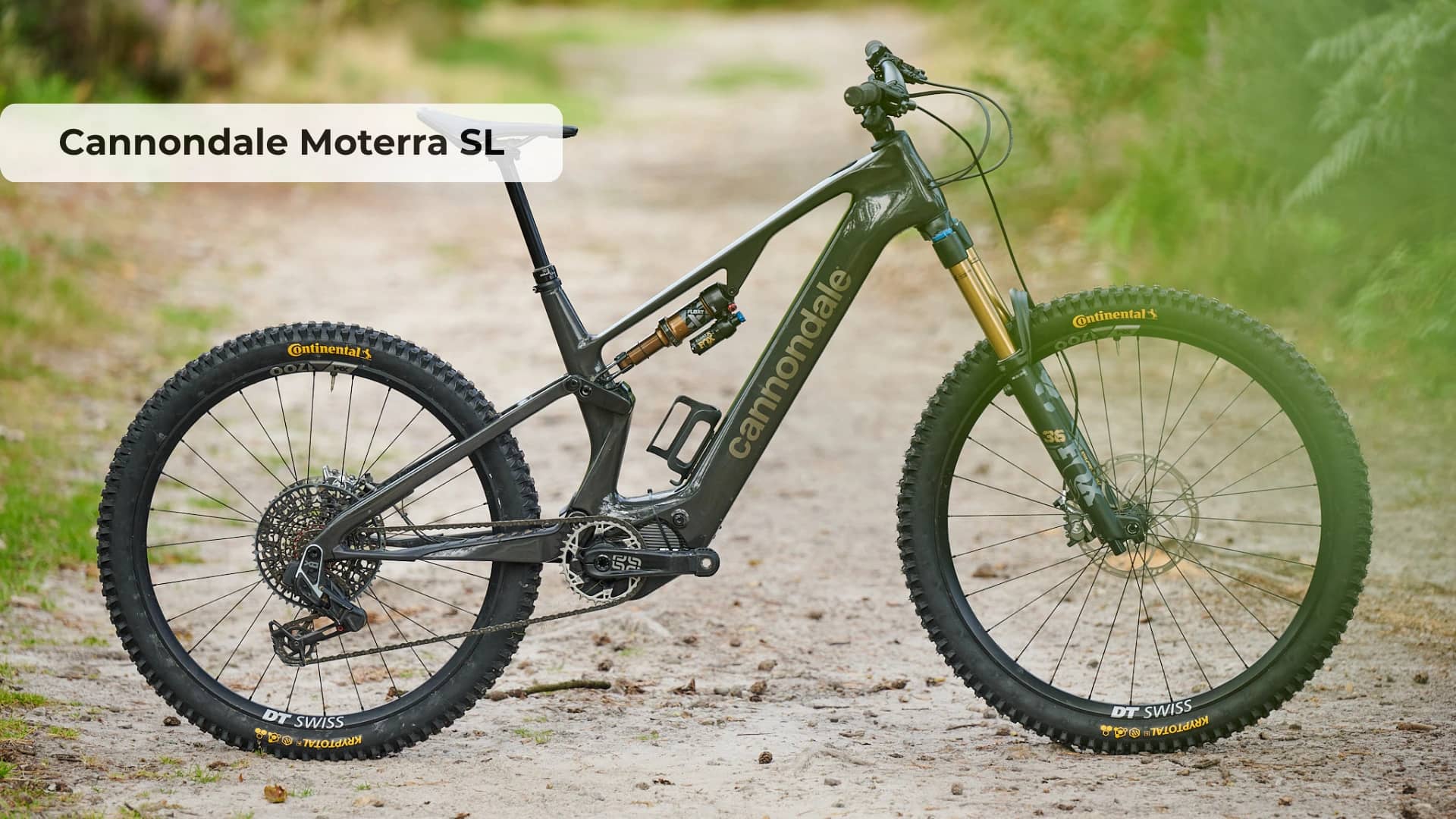
The Moterra SL represents a different approach to e-MTBs: less power, less weight, more like riding a regular mountain bike with a helpful boost. At just 38 pounds, this is one of the lightest full-suspension e-MTBs available. Cannondale's custom SL motor produces only 50Nm of torque, about half of full-power bikes, but the reduced weight makes it feel surprisingly capable.
Key Features
| Feature | Details |
|---|---|
| Model | Cannondale Moterra SL – Best Lightweight Option |
| Price | From $5,600 |
| Motor | Cannondale SL (Mahle-based), 50Nm torque |
| Battery | 360Wh internal plus 180Wh range extender |
| Weight | Approximately 38 lbs complete |
| Best For | Strong riders who want subtle assist |
Performance Notes
The Moterra SL feels fundamentally different from full-power e-MTBs. At 38 pounds, it's light enough to bunny hop, manual, and throw around like a regular trail bike. The motor provides a subtle boost that's most noticeable on climbs, and it takes the edge off steep sections without completely eliminating the work. Think of it as making B-level climbs feel like C-level climbs rather than turning everything into a flat road. On moderate 10-15% grades, the assist is perfect. On 20%+ technical climbs, you'll be working hard and wishing for more power.
The smaller 360Wh battery drains faster than you'd expect given the lower power output. On my typical 18-mile rides with 2,500 feet of climbing, I'd finish with 5-10% remaining. Add the 180Wh range extender (which fits in a bottle cage) and you're good for longer adventures. Descending is where this bike shines. The low weight makes it playful and responsive. You can ride it more like a regular mountain bike, loading the front wheel through corners and popping off small features. The carbon frame is nicely finished and the spec is solid for the price.
Who It's Best For
Ideal for strong riders who want a bike that still requires effort but extends their range or allows them to session trails more. Perfect for riders who value low weight and playful handling over raw power. Great for those riding with non-e-bike friends since the motor won't leave them behind. Skip this if you live in steep mountain terrain, have fitness limitations, or want the full e-MTB experience, you'll be frustrated by the limited power.
Pros
- Remarkably light at just 38 pounds
- Playful, responsive handling like a regular trail bike
- Subtle motor assist feels natural
- Good value considering carbon frame and spec
- Range extender option extends adventure capability
Cons
- Limited power on steep or technical climbs
- Small battery requires range extender for longer rides
- Motor can feel underpowered compared to full-power bikes
- Not suitable for riders with fitness limitations
10. Aventon Ramblas
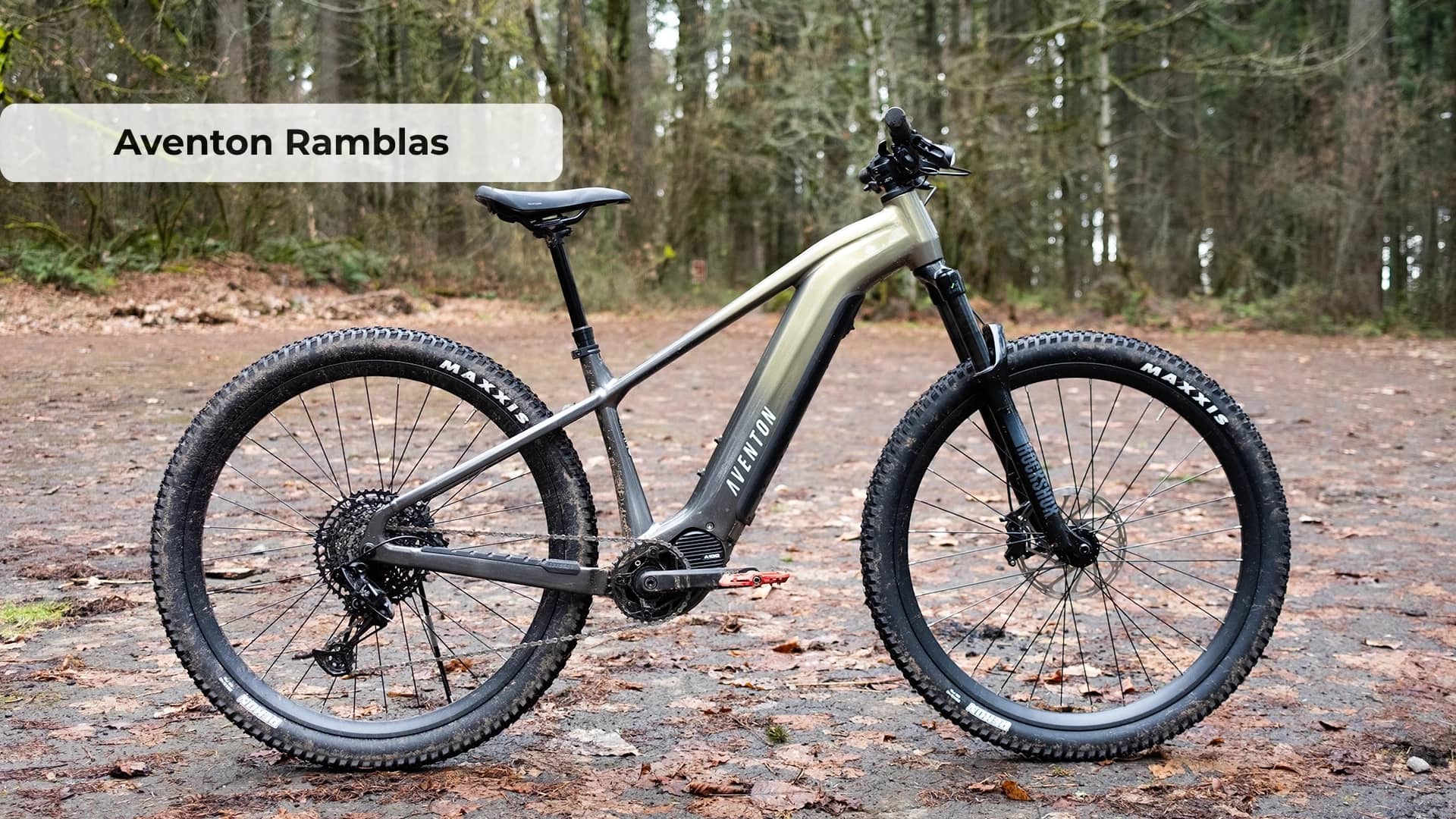
At $2,899, the Ramblas is by far the most affordable bike on this list. It's a hardtail with a hub motor and mechanical brakes, definitely more basic than the competition. But here's the thing: it's actually pretty fun and gets you on the trails for less than half what you'd pay for the next cheapest option. Aventon made smart compromises to hit this price point.
Key Features
| Feature | Details |
|---|---|
| Model | Aventon Ramblas – Best Budget Entry Point |
| Price | Starting at $2,899 |
| Motor | Aventon 750W rear hub motor |
| Battery | 720Wh removable pack |
| Best For | Budget buyers new to e-MTBs |
Performance Notes
The Ramblas is honest about what it is, an entry-level e-MTB that prioritizes accessibility over performance. The 750W hub motor provides decent power, though it feels different from mid-drive systems. On climbs, you'll notice the weight hanging off the rear wheel, especially on loose terrain where the rear tire can spin. The bike handles mellow to moderate trails just fine. I rode it on local XC loops and gravel paths where it was perfectly adequate. Battery life is surprisingly good; the efficient hub motor and large 720Wh pack delivered 30+ mile rides with power to spare.
Where the budget shows is in the components. The mechanical disc brakes require more hand strength than hydraulic systems and need frequent adjustment. The Shimano Altus 9-speed drivetrain works but shifts slower than modern 11 or 12-speed systems. The fork is basic. It soaks up small bumps but feels harsh on bigger hits. That said, for someone new to e-MTBs or mountain biking in general, these limitations aren't deal-breakers. You're getting a functional electric mountain bike for under three grand. Upgrade the brakes to hydraulic ($200-300) and you'll have a solid entry-level rig.
Who It's Best For
Perfect for riders new to electric mountain biking who want to test the waters without huge investment. Ideal for casual riders focused on mellow trails, gravel paths, and XC riding. Great for commuters who occasionally want to hit easy trails on weekends. Skip this if you're an experienced mountain biker, ride technical terrain regularly, or want a bike you won't immediately want to upgrade, spend more upfront for better components.
Pros
- Incredibly affordable entry point at $2,899
- Large battery provides excellent range
- Removable battery makes charging easy
- Decent hub motor performance for the price
- Good option for testing if e-MTBs are right for you
Cons
- Hardtail design limits capability on rough terrain
- Hub motor feels less natural than mid-drive systems
- Mechanical brakes lack power and require maintenance
- Budget components throughout (fork, drivetrain, wheels)
- Heavy at 60+ pounds
Complete Buyer's Guide: Everything You Need to Know
Mid-Drive vs Hub Motors: What Actually Matters
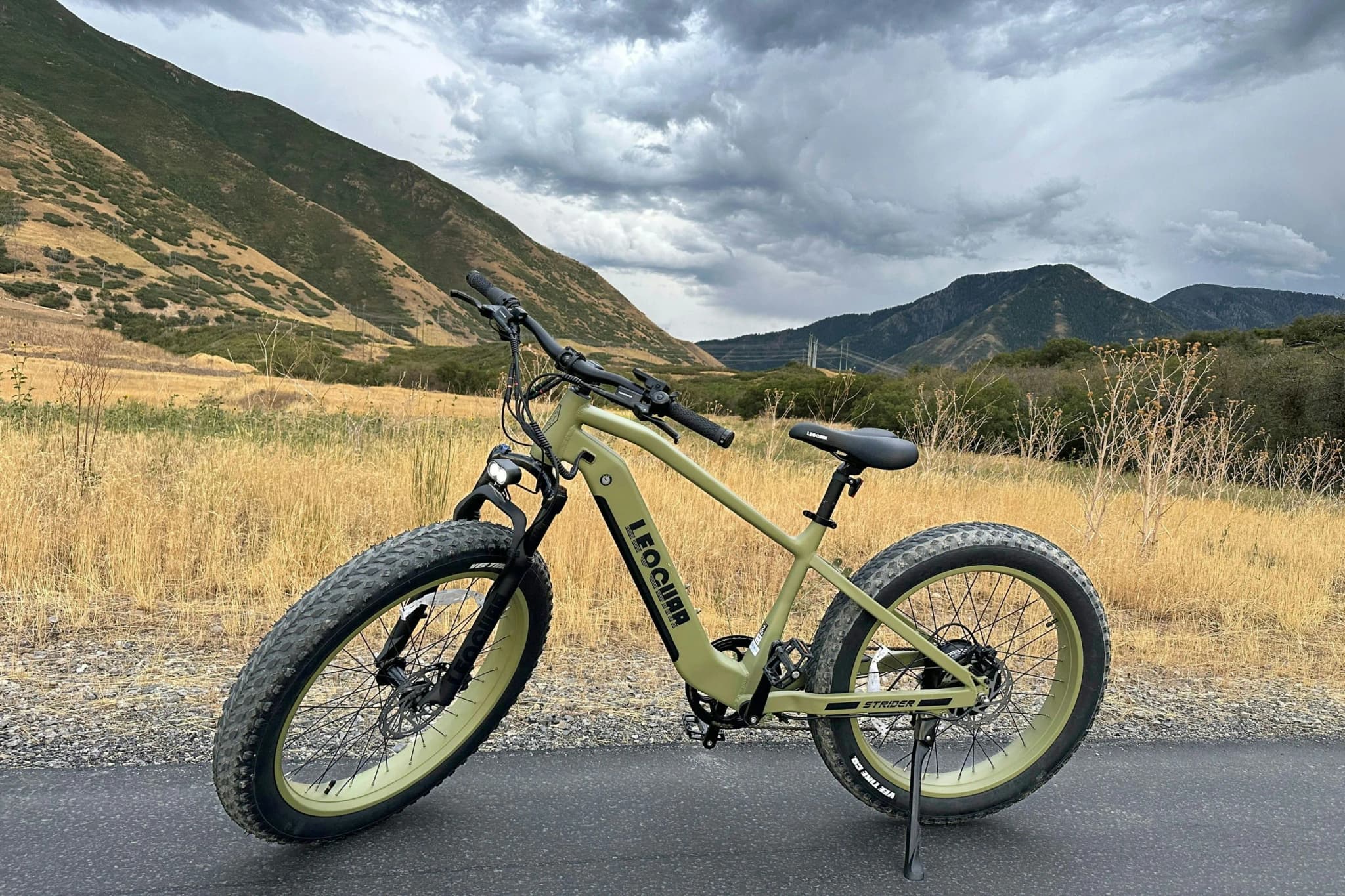
Think of a mid-drive motor like having an extra set of super-strong legs that work with your bike's gears. The motor sits at the cranks, so when you shift into an easier gear, the motor also gets that mechanical advantage. This makes mid-drives way more efficient on steep climbs and technical terrain. Hub motors, on the other hand, sit in the rear wheel and just spin that wheel faster. They don't benefit from your gearing changes.
In real-world terms, mid-drives feel more natural and give you better traction on climbs since the weight sits lower and more centered on the bike. Hub motors work fine for mellow terrain but struggle on steep technical sections where that rear wheel can spin out. They're also less efficient, meaning shorter range. Every bike in my top nine uses a mid-drive system. The only hub motor made the list (Aventon Ramblas) because it's incredibly cheap, not because hub motors are better. For more on what actually determines uphill e-bike power, including torque and battery factors, see our hill-climbing guide.
- Mid-drive motors work with your gears for better climbing efficiency
- Hub motors are simpler and cheaper but less capable on terrain
- Mid-drives provide better weight distribution and handling
- For serious trail riding, mid-drive is the only real option
Battery Capacity: How Much Do You Really Need?
Battery capacity is measured in watt-hours (Wh), and it works exactly like a gas tank; bigger means you can go farther. But just like with cars, how far you actually get depends on how you drive. Running full Turbo mode on steep climbs drains batteries fast. Using Eco mode on mellow terrain extends range dramatically. Most riders find that 600-800Wh provides enough juice for typical 2-4 hour rides with 2,000-4,000 feet of climbing. If you want the systems-level view of how e-bike motors and sensors work, that guide pairs well with this section.
During testing, I found that batteries in the 700-800Wh range give you real freedom to ride how you want without constant range anxiety. Smaller batteries like the 360Wh units in lightweight e-MTBs require more planning and potentially a range extender. Bigger is better, but only if you need it. Those extra watt-hours add weight and cost. Figure out your typical ride length and elevation gain, then choose accordingly.
- 600-800Wh is the sweet spot for most all-day riding
- Smaller batteries (360-500Wh) work for shorter rides or fitness-focused riders
- Range extenders add 180-250Wh in a bottle cage mount
- Battery life decreases in cold weather, so plan accordingly in winter
Full Suspension vs Hardtail: Worth the Extra Money?
Full suspension e-MTBs cost significantly more than hardtails, but the difference in capability is massive. Rear suspension soaks up trail chatter, improves traction on climbs, and makes descents way more controlled and comfortable. On rough terrain, full suspension lets you ride faster with less fatigue. The only real arguments for hardtail e-MTBs are budget constraints or riding exclusively smooth terrain.
Here's my honest take after testing both: if you're spending $5,000+ on an e-MTB, get full suspension. The difference in comfort and capability is worth every penny. If your budget tops out around $3,000 and you're new to the sport, a hardtail makes sense as an entry point. Just know that you'll probably want to upgrade once you start tackling more challenging trails.
- Full suspension provides dramatically better comfort and control
- Hardtails are cheaper and simpler but limit where you can ride confidently
- Most serious riders end up wanting full suspension eventually
- Budget $5,000+ for quality full-suspension e-MTBs
Motor Power: More Isn't Always Better
Motor power gets measured in torque (Nm) and wattage. Higher numbers mean more climbing grunt, but the most powerful motor isn't necessarily the best choice. The DJI Avinox system pumps out 120Nm peak torque. That's genuinely shocking power. But it's also louder and drains batteries faster. Bosch's 85Nm systems feel more refined and efficient, even if they're not as brutally powerful.
What matters more than peak numbers is power delivery characteristics. Does the motor feel smooth and natural, or does it surge on and off? Is it quiet or does it whine under load? After testing motors from Bosch, Shimano, Brose, Yamaha, and DJI, I'd take the smooth refinement of Bosch or the silence of Brose over raw peak power. Unless you're regularly climbing 20%+ grades, you don't need the most powerful motor available.
- 50-60Nm: Lightweight systems for strong riders
- 75-90Nm: Sweet spot for most riders and terrain
- 100-120Nm: Maximum power for steep mountains and heavy riders
- Power delivery quality matters more than peak torque numbers
Budget Planning: What to Expect at Different Price Points
Under $3,000: You're looking at entry-level hardtails with hub motors or lower-spec mid-drives. Components will be basic: mechanical brakes, budget suspension, fewer gears. Fine for casual riding on mellow trails. The Aventon Ramblas is your only real option here. $3,000-$5,000: This range doesn't really exist for quality e-MTBs. You're better off saving more or buying used.
$5,000-$7,000: Now we're talking. You'll get aluminum-frame full-suspension bikes with quality mid-drive motors, 700-800Wh batteries, and decent components. This is the value sweet spot. The Giant Reign E+ and Ari Timp Peak live here. $7,000-$10,000: Premium territory with carbon frames, top-tier suspension, and the latest motor systems. The Specialized Levo, Trek Rail, and YT Decoy compete here. $10,000+: Boutique brands with the absolute best of everything. Diminishing returns kick in hard above $10k. You're paying for refinement and brand prestige more than capability.
- Budget $6,000-8,000 for the best value and performance balance
- Under $3,000 means significant compromises in components and capability
- Carbon frames typically add $2,000-3,000 to aluminum equivalents
- Don't forget to budget for protective gear, maintenance, and possibly a second battery
Weight Considerations: Light vs Full-Power
E-MTBs generally fall into two categories: lightweight (35-40 lbs) with smaller motors and batteries, or full-power (48-55 lbs) with big motors and batteries. Lightweight bikes like the Cannondale Moterra SL ride more like traditional mountain bikes, playful, nimble, easy to manual and bunny hop. But they have limited power and require you to still be fit. Full-power bikes are heavier and less flickable but flatten climbs and don't require as much fitness.
From testing both types extensively, I think most riders are better served by full-power options unless you're already a strong rider who just wants a boost. The 10-15 pounds of extra weight disappears once you're moving, and having that power available transforms your riding experience more than slightly better handling characteristics. If you're coming from traditional mountain biking and want something that still feels like a mountain bike, lightweight makes sense. If you're getting into e-MTBs specifically for the motor assist, go full-power.
- Lightweight e-MTBs (35-40 lbs): Better handling, less assist, requires fitness
- Full-power e-MTBs (48-55 lbs): Maximum assist, less nimble but more capable
- Weight matters more when the bike is stopped than when riding
- Consider how you'll load/transport the bike. Heavier bikes are harder to lift onto racks
Common Mistakes First-Time E-MTB Buyers Make
The biggest mistake I see is people buying based purely on price or motor power without considering geometry and fit. An uncomfortable bike with a powerful motor is still uncomfortable, you just suffer faster. Another common error is underestimating how much bike you'll want after a few months. Lots of riders buy entry-level hardtails to test the waters, then wish they'd spent more upfront after they fall in love with e-MTBs.
People also frequently overlook the total cost of ownership. E-MTBs need more maintenance than acoustic bikes; chains wear faster, brake pads get used up quicker, and tires take more abuse. You'll also probably want a second battery eventually, which costs $600-800. Factor in ongoing costs when setting your budget. And please, test ride before you buy if at all possible. Numbers on paper don't tell you how a bike actually feels on the trail.
- Don't prioritize motor specs over proper fit and comfort
- Test ride multiple bikes before committing. Feel matters
- Budget for ongoing maintenance and possibly a second battery
- Buy more bike than you think you need. You'll grow into it
- Consider the dealer network for warranty support and service
Frequently Asked Questions
How far can electric mountain bikes actually go on a single charge?
Real-world range varies wildly based on terrain, assist level, rider weight, and conditions. During testing, I found that most bikes with 700-800Wh batteries delivered 20-35 miles with 2,000-4,000 feet of climbing in mixed assist modes. Run full Turbo on steep trails and you might get 15-20 miles. Use mostly Eco mode on mellow terrain and you could push 40-50 miles.
The best approach is to think about your typical rides. If you're doing 2-3 hour trail sessions with moderate climbing, a 600Wh battery is probably fine. Planning 4+ hour adventures in steep terrain? You'll want 800Wh or a range extender. Cold weather can reduce range by 20-30%, so factor that in if you ride through winter. Most riders find that battery anxiety disappears after a few rides once you learn your bike's actual range in your typical conditions.
Do I need special maintenance for an electric mountain bike?
E-MTBs need all the same maintenance as regular mountain bikes plus a bit extra. The motor systems themselves are pretty bulletproof; they're sealed units that rarely need service beyond occasional software updates. What wears faster is everything else. The extra weight and power means chains stretch quicker (expect to replace every 500-800 miles vs 1,000+ on acoustic bikes), brake pads wear faster, and tires take more abuse.
Keep the battery charged between 20-80% for longest lifespan. Fully draining or leaving it at 100% for extended periods reduces battery life over time. Clean the bike regularly, especially around the motor area where mud buildup can cause issues. Most manufacturers recommend a full service check every 12 months or 50 hours of riding. Budget $200-400 annually for maintenance if you ride regularly. The good news? Modern e-MTB systems are way more reliable than early generations. Most riders go years without major issues.
Can I ride an e-MTB on the same trails as regular mountain bikes?
This depends entirely on where you ride. In most US states, e-MTBs that meet Class 1 specifications (pedal-assist only, 20mph max assist) are allowed on trails where regular mountain bikes are permitted. But regulations vary significantly; some areas ban all e-bikes, while others allow Class 1 only, and a few permit Classes 1-3. Always check local trail regulations before riding.
All the bikes in this guide except the Aventon Ramblas are Class 1 compliant. The Ramblas has a throttle, making it Class 2 or 3 depending on how it's configured, which limits where you can legally ride it. Many trail systems post their e-bike policies at trailheads. When in doubt, contact local land managers. And honestly, even where e-MTBs are allowed, be respectful. Don't blow by hikers at 20mph or tear up trails. The future of e-bike access depends on riders being courteous and responsible.
What's the difference between Class 1, Class 2, and Class 3 e-bikes?
Class 1 e-bikes provide pedal-assist only (motor only works when you're pedaling) up to 20mph. These have the widest trail access and are what most serious e-MTBs aim for. Class 2 adds a throttle that works without pedaling, still limited to 20mph. Class 3 is pedal-assist up to 28mph, typically for road/commuter bikes. Most trail systems only allow Class 1, which is why the vast majority of e-MTBs are built to that standard.
In practical terms, you won't feel limited by the 20mph cutoff on trails. I rarely hit 20mph on technical singletrack anyway. You're too busy navigating rocks and roots. The assist cuts out right when you'd naturally start coasting on descents. The only time you'll notice the limit is on fire roads or smooth flowy trails where you could easily go faster. But for technical mountain biking, Class 1 restrictions aren't actually restrictive.
Are electric mountain bikes too heavy to ride without power?
Yes and no. Full-power e-MTBs weighing 50+ pounds are genuinely miserable to ride with a dead battery, you're hauling a lot of extra weight with significant motor drag. Lightweight systems like the Cannondale Moterra SL at 38 pounds are much more manageable with no assist, though still noticeably heavier than a 30-pound acoustic bike. The motor drag varies by system; some feel like pedaling through molasses, others add surprisingly little resistance.
That said, you should almost never find yourself with a completely dead battery. All these bikes have reserve power that gets you home, and you can always dial down the assist level to conserve battery. I've intentionally drained batteries during testing to see what happens, and even with 0% showing, I could still get another mile or two of low-power assist. The real takeaway: plan your rides appropriately, bring a range extender for longer adventures, and you'll never actually experience riding with zero power.
Should I buy a new or used electric mountain bike?
Buying used e-MTBs is trickier than used acoustic bikes because you're also buying a used battery, and batteries degrade over time. A bike that's 2-3 years old might have lost 20-30% of its original battery capacity, and replacement batteries cost $600-1,000. That said, you can find solid deals on used e-MTBs if you know what to look for. Check the battery cycle count if possible (some systems track this), ask about the bike's riding history, and ideally test ride to verify the battery holds a charge.
I'd be comfortable buying a used e-MTB that's 1-2 years old with light use, especially if it's been stored properly (climate-controlled, battery kept charged between 20-80%). Avoid bikes older than 3 years unless they're heavily discounted. Older motor systems lack the refinement of current generation units, and you're betting on a degraded battery. New bikes also come with warranties, which matters for expensive motor and battery systems. If you're spending $3,000+ on a used bike, consider whether spending $2,000 more for new makes sense for the peace of mind and warranty coverage.
How long do electric mountain bike batteries last before needing replacement?
Most quality e-MTB batteries are rated for 500-1,000 charge cycles before they degrade to 80% of original capacity. In real-world terms, if you charge after every ride and ride twice a week, that's 100 charges per year, meaning 5-10 years before noticeable degradation. However, battery lifespan depends heavily on how you treat it. Storing it fully charged or completely drained accelerates degradation. So does extreme heat or cold.
From conversations with riders who've owned e-MTBs for several years, most report minimal range loss after 2-3 years with proper care. By year 4-5, you might notice 15-20% reduced range. Replacement batteries cost $600-1,000 depending on capacity. To maximize battery life: store it between 20-80% charge, avoid temperature extremes, charge it after rides instead of leaving it drained, and use a quality charger. Follow those guidelines and your battery should outlast your desire to keep the bike.
Can women ride the same e-MTBs as men or do they need women-specific models?
Most e-MTBs are unisex and work great for riders of any gender in the right size. Bike fit is about body proportions, not gender. Some women fit men's bikes perfectly, and some men are better served by women's specific geometry. That said, women's specific models typically offer different sizing runs (XS and S sizes are more common), slightly narrower handlebars, women-specific saddles, and sometimes geometry with shorter reach and higher stack for shorter torsos.
The Santa Cruz Vala is the only women's-specific e-MTB in my top picks, and it's essentially the Bullit with geometry tweaks for smaller riders. Several riders I know who are 5'6" and under prefer the Vala's fit regardless of gender. My advice: focus on finding the right size and geometry for your body rather than worrying about gender-specific marketing. Test ride multiple bikes, pay attention to reach and standover height, and choose based on what feels comfortable. If you're between 4'10" and 5'5", definitely consider women's specific models as they'll likely fit better right out of the box.