When Will Electric Bikes Be Widely Available in India? Rules, Timeline, and Current Options
Electric bikes are already sold across India. Here's the real timeline, current rules, popular models, and what's coming next for e-bikes in India.
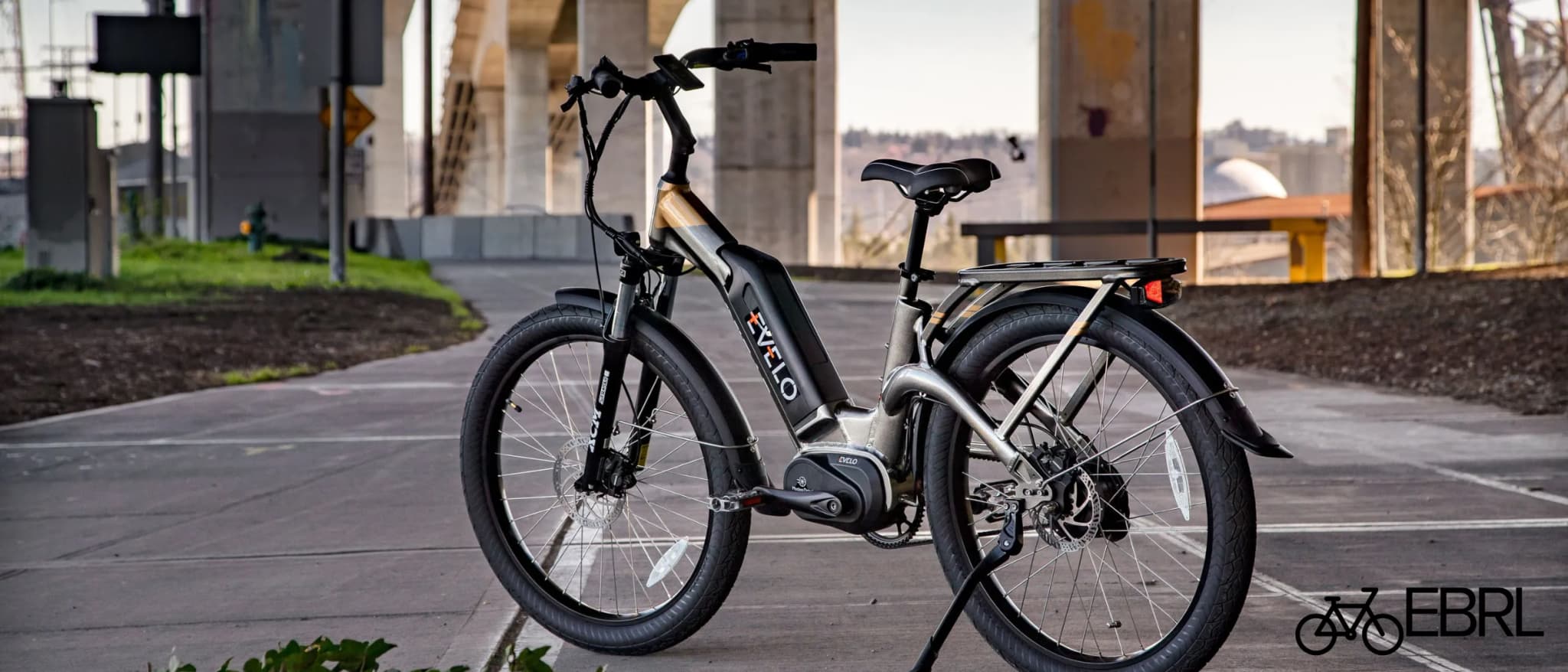
If you've been searching for when electric bike launch in India will happen, I've got good news and slightly confusing news. The good news: electric bikes have already launched, and you can buy one in most major Indian cities right now. The confusing part is that "electric bike" means different things depending on who's selling it, and the rules that apply to your purchase depend entirely on which category it falls into.
I've spent a lot of time untangling India's e-bike market for this piece, and honestly, the confusion makes sense once you see how the rules were written. Let's sort through it.
The Short Answer: E-Bikes Are Already Available, Here's What's Changed
Electric cycles (the pedal-assist kind that look like regular bicycles with a motor bolted on) have been sold in India since around 2015, mostly through niche importers and a handful of local manufacturers. What's changed isn't availability. It's scale, price, and choice.
Back then, you had maybe a dozen models to pick from, most imported and priced well above what an average commuter would spend. Today, brands like Hero Lectro, EMotorad, Motovolt, and a growing list of homegrown startups sell dozens of models across price points, and you can order many of them online with doorstep delivery.
So if your question is really "when can I buy an electric bike in India," the answer is: today. If your question is "when will electric bikes be as common and cheap as regular bicycles," that's a longer story, and it depends heavily on policy, battery costs, and how fast urban commuters switch over.
India's E-Bike and E-Cycle Classification and Rules
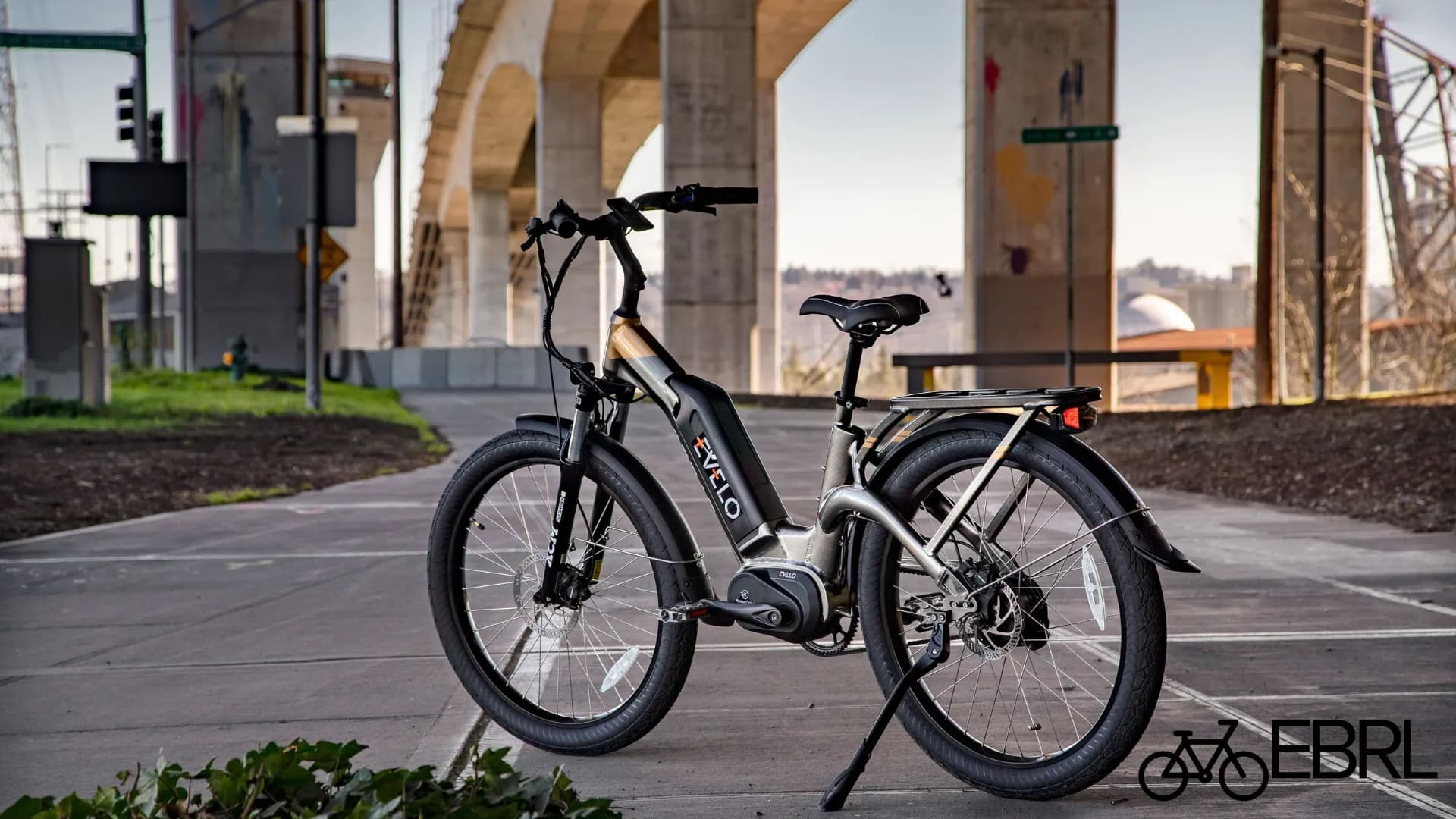
Here's where most of the confusion starts. India doesn't have one single rulebook for "electric bikes." It has two very different categories, and which one your bike falls into changes everything about how you're allowed to use it.
Low-speed electric cycles (the exempt category). Under the Central Motor Vehicles Rules, a two-wheeler with a motor rated at 250 watts or less, capped at a top speed of 25 km/h, is treated the same as a regular bicycle. That means no driving license, no registration, no number plate, and no mandatory insurance. You buy it, you ride it. This is the category most electric cycles from Hero Lectro, EMotorad, and similar brands are designed to sit in.
High-speed electric bikes and scooters (the motor vehicle category). Cross either of those thresholds (more power or more speed) and your electric two-wheeler legally becomes a motor vehicle. That triggers registration, a green license plate, a valid driving license, and insurance, the same as a petrol scooter would need. Models like the Ola S1 or TVS iQube fall here.
A quick note on numbers: you'll see some sellers advertise a 350W cutoff instead of 250W. The 250W/25 km/h threshold is the one that actually comes from the Ministry of Road Transport and Highways under CMVR, so treat that as the standard, and don't take a dealer's marketing copy as the final word on legality. Since April 2023, battery packs also need to meet AIS-156 safety certification, which was a direct response to the wave of scooter battery fires a few years back.
One more thing worth knowing: state enforcement varies. What's technically legal on paper isn't always consistently checked on the ground, especially in smaller cities. If you're commuting daily, it's still worth wearing a helmet and carrying at least basic personal accident cover, even where it's not required by law.
Timeline of Major Market Developments
Looking at how we got here helps explain why the market feels like it's still finding its footing.
2015 to 2018: Early electric cycles trickle into India, mostly imported, mostly expensive, and mostly bought by early adopters rather than everyday commuters.
April 2019: FAME II launches with roughly ₹10,000 crore in central funding, offering direct subsidies on registered electric two-wheelers. This mainly benefits high-speed scooters, not low-speed e-cycles, since subsidies apply to vehicles registered under the Motor Vehicles Act.
2020 to 2022: Homegrown e-cycle brands like EMotorad launch and expand fast, pushing prices down and adding features like app connectivity and multiple ride modes. This is really when the e-cycle segment stops being a niche import business.
April 2023: AIS-156 battery safety certification becomes mandatory, tightening quality control after several high-profile battery fire incidents in the scooter segment.
March 2024: FAME II winds down after nine years of central subsidy support.
October 2024: PM E-DRIVE launches with a ₹10,900 crore outlay, continuing demand incentives for electric two-wheelers and three-wheelers, again aimed at registered motor vehicles rather than exempt-category e-cycles.
2025 to 2026: The two-wheeler subsidy rate under PM E-DRIVE gets trimmed from ₹5,000 per kWh to ₹2,500 per kWh, and the incentive window for two-wheelers has been extended into mid-2026 after an earlier planned cutoff in March. Meanwhile, the e-cycle segment keeps growing largely on its own, without needing central subsidies, since these bikes are cheaper to begin with and don't require registration overhead.
That last point matters. A lot of the policy conversation in India focuses on high-speed electric scooters and motorcycles. Low-speed e-cycles have quietly grown alongside that story, riding on falling battery costs and better local manufacturing rather than government incentives.
Current Popular Models and Price Ranges (INR)
If you're shopping today, here's roughly where the market sits.
Entry-level e-cycles: Around ₹18,000 to ₹27,000. This covers basic pedal-assist models from Hero Lectro and similar brands, usually with a 250W hub motor and a range of 25 to 40 km per charge.
Mid-range commuter e-cycles: Roughly ₹28,000 to ₹45,000. You start getting better batteries, gear systems, and app connectivity here. EMotorad's commuter lineup and Hero Lectro's higher trims (H4, H7, and similar) sit in this bracket.
Performance and long-range models: ₹50,000 to ₹90,000. Think fat-tire, off-road, or higher-capacity battery setups, like EMotorad's Ranger or Viper, or Motovolt's Urbn model, which pushes closer to 100 km on a charge.
High-speed electric bikes and scooters: These start around ₹1 lakh and climb well past ₹2 lakh for premium models, but remember, this is a completely different regulatory category with registration and licensing requirements attached.
Prices shift often, especially with subsidy changes and seasonal sales, so treat these as a general range rather than exact figures.
What's Expected Next (Policy and Market Trends)
A few things are worth watching if you're deciding whether to buy now or wait.
The PM E-DRIVE subsidy window for two-wheelers is winding down through 2026, and industry groups are already pushing for a follow-up scheme. If a FAME III style program materializes, it would most likely target registered high-speed EVs again rather than low-speed e-cycles, so don't expect it to move e-cycle prices much either way.
On the e-cycle side, expect the real price pressure to keep coming from battery costs and domestic manufacturing scale rather than subsidies. More brands are localizing production, which tends to bring prices down gradually rather than overnight.
State-level policies are also worth watching. A handful of states have floated additional incentives or infrastructure support for e-mobility generally, and that patchwork is likely to keep growing before it gets standardized.
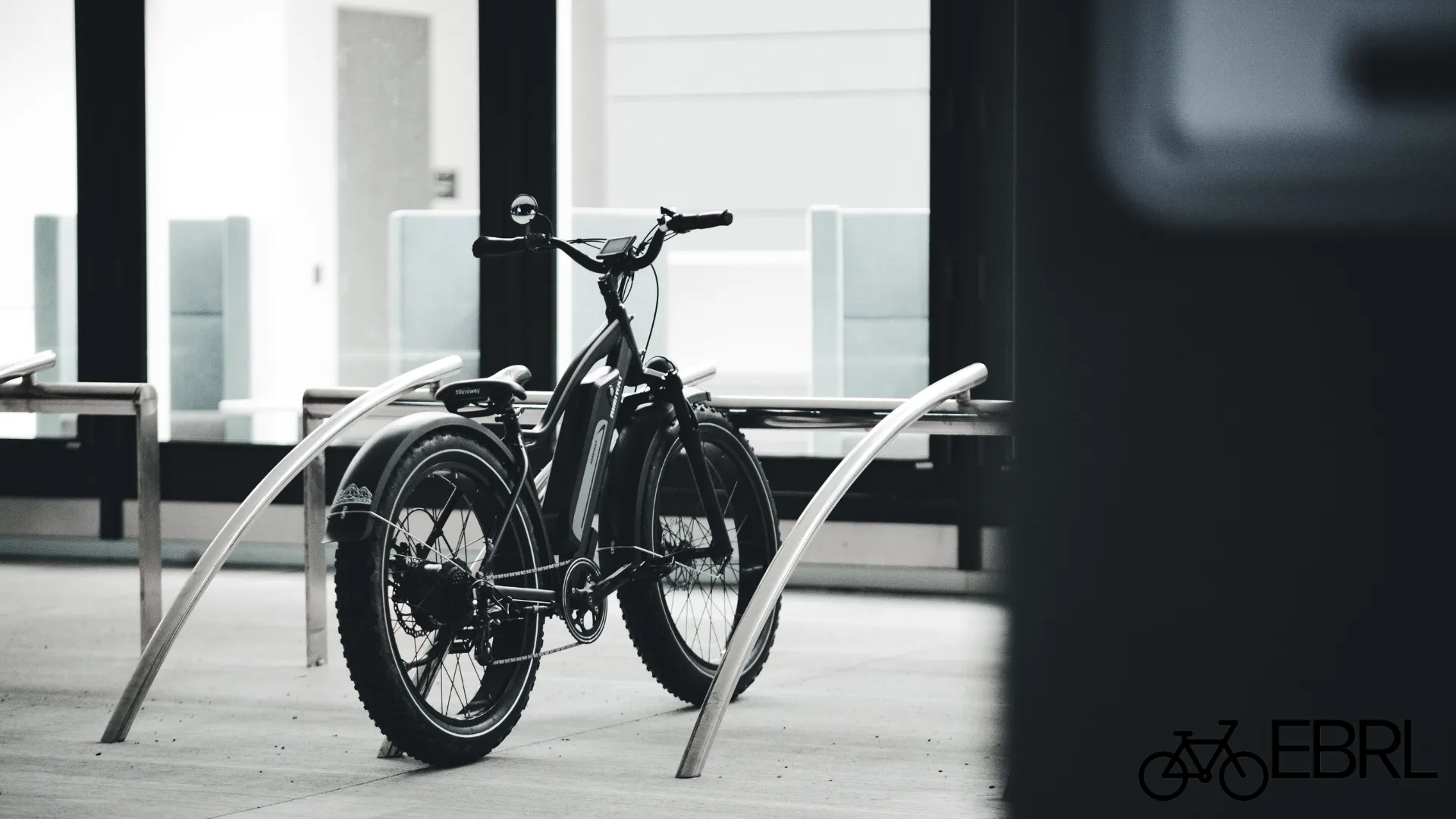
If you're commuting short distances in a city and don't want to deal with registration, insurance, or a license, a low-speed e-cycle is available to buy today, and the range of options is genuinely good compared to even two years ago.
For a deeper breakdown of what an e-bike actually costs to own over time, check out our full electric bike cost guide, and for the complete legal picture, see our electric bike legality guide. Shopping models more generally? Start with our tested best electric bikes roundup.
Frequently Asked Questions
Do you need a license for an e-bike in India?
Only if it's a high-speed model exceeding 250W or 25 km/h. Low-speed electric cycles within that limit don't require a driving license, registration, or insurance.
What's the price range for e-bikes in India right now?
Basic e-cycles start around ₹18,000, mid-range commuter models run ₹28,000 to ₹45,000, and higher-end performance e-cycles go up to around ₹90,000. High-speed electric bikes and scooters are a separate, pricier category starting near ₹1 lakh.
Are e-bikes classified differently from electric scooters in India?
Yes, and the difference matters legally. Low-speed e-cycles are treated like regular bicycles. High-speed electric scooters and motorcycles are classified as motor vehicles and need registration, a license plate, and insurance.
Which Indian cities have the most e-bike adoption?
Metro cities with heavy commute traffic, particularly Bengaluru, Pune, Delhi NCR, and Mumbai, tend to show the strongest e-cycle and e-scooter adoption, largely driven by traffic congestion and shorter average commute distances.