Trek Rail+ 8 Gen 5 Review: Real-World Enduro Testing
Trek Rail+ 8 Gen 5 review: tested on technical trails with Bosch Gen 5 motor, 800Wh battery. Pros, cons, performance in demanding terrain.

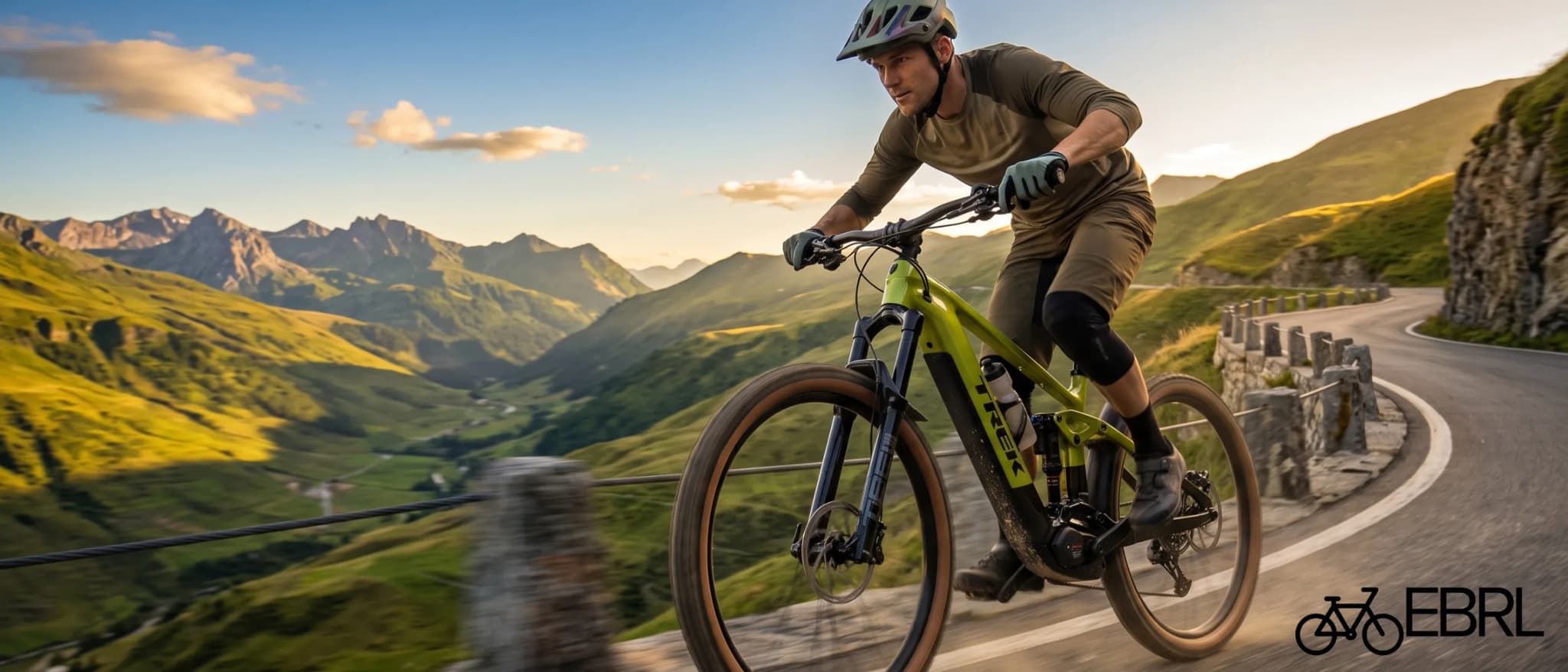
After three weeks hammering the Trek Rail+ 8 Gen 5 through everything from bike park descents to multi-hour enduro loops, I'm convinced Trek built this thing specifically for riders who think 'one more lap' is a lifestyle choice rather than a suggestion.
The moment that defined this bike for me happened on day twelve. I'd already crushed a 2,800-foot climb, session a rock garden until my arms screamed, and figured I was done. Then I glanced at the battery. It was still showing 52%. That's when you stop thinking about range anxiety and start wondering how many more features you can hit before sunset.
I tested the Rail+ 8 Gen 5 across 240 miles of Pacific Northwest terrain, everything from muddy loam to chunk-filled tech sections that'll rattle your fillings loose. This isn't the lightweight trail bike some riders are gravitating toward. This is 54 pounds of full-send capability with Trek's new Gen 5 updates addressing nearly every complaint I had about the previous model. The rattly battery? Fixed. The limited adjustability? Now you've got more flip chips than a poker tournament.
Introduction: When 85Nm Feels Like 100Nm
The moment that defined this bike for me happened on day twelve. I'd already crushed a 2,800-foot climb, session a rock garden until my arms screamed, and figured I was done. Then I glanced at the battery. It was still showing 52%. That's when you stop thinking about range anxiety and start wondering how many more features you can hit before sunset.
I tested the Rail+ 8 Gen 5 across 240 miles of Pacific Northwest terrain, everything from muddy loam to chunk-filled tech sections that'll rattle your fillings loose. This isn't the lightweight trail bike some riders are gravitating toward. This is 54 pounds of full-send capability with Trek's new Gen 5 updates addressing nearly every complaint I had about the previous model. The rattly battery? Fixed. The limited adjustability? Now you've got more flip chips than a poker tournament.
Key Specs, Pricing & Configuration
- Price
- From $6,749 USD (Rail+ 8) / $11,999 USD (Rail+ 9.8 GX AXS carbon)
- Motor
- Bosch Performance Line CX Gen 5, 85Nm torque, 250W (quieter than Gen 4)
- Battery
- Bosch PowerTube 800Wh (removable via hex key, compatible with 250Wh range extender)
- Suspension
- RockShox ZEB Select fork (160mm) / RockShox Deluxe Select+ RT shock (160mm)
- Weight
- Approximately 54 lbs (Medium, alloy frame, set up tubeless)
- Drivetrain
- Shimano XT/SLX 12-speed with SRAM UDH derailleur hanger
- Wheels
- Mullet setup - 29" front / 27.5" rear (Small has 27.5" both ends)
- Brakes
- SRAM DB8 4-piston hydraulic disc (220mm front / 200mm rear)
- Best For
- Aggressive enduro riders, bike park regulars, all-day adventure seekers who prioritize descending capability over weight
Adjustable Geometry for Any Trail
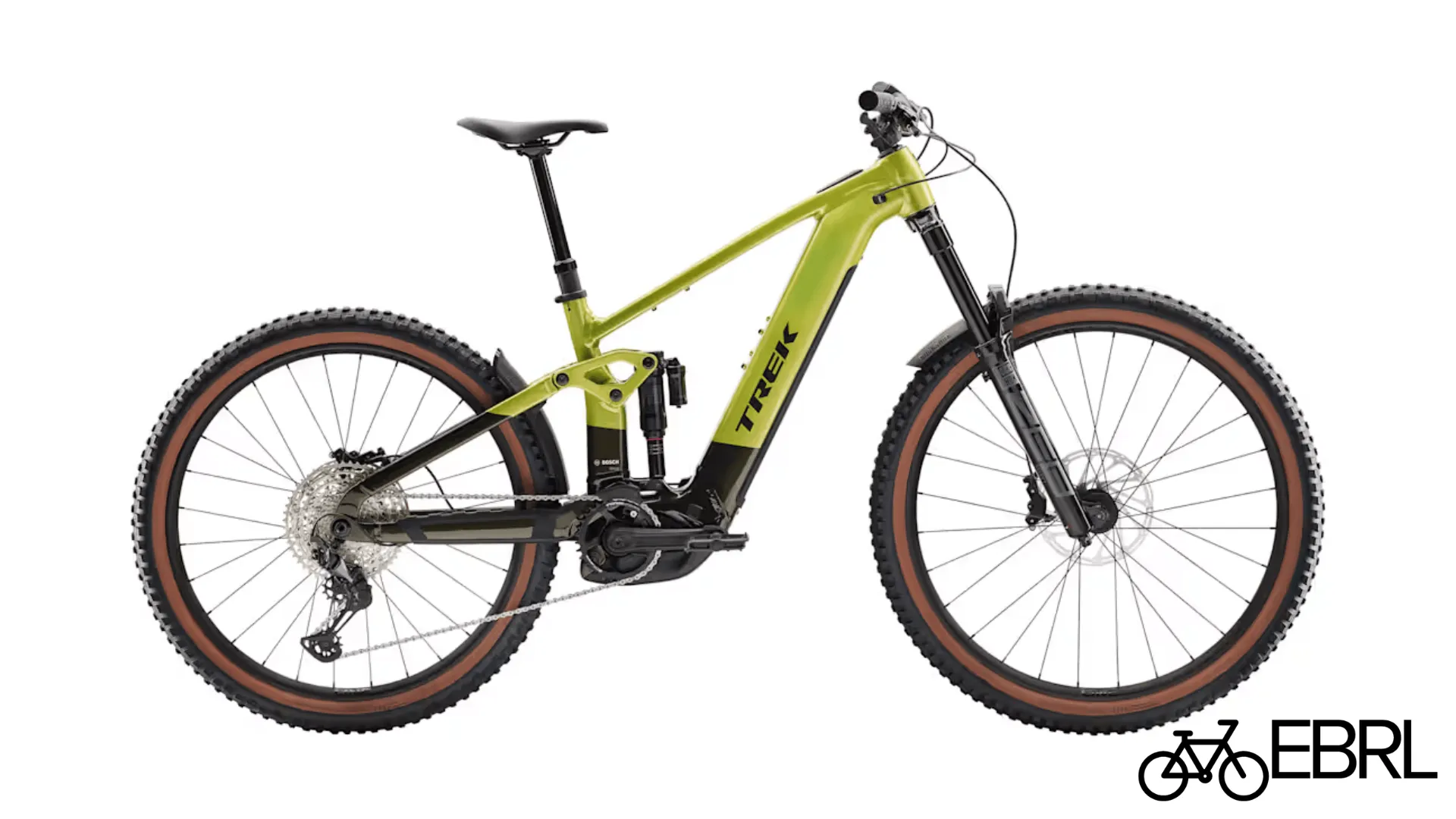
The Rail+ 8 Gen 5 features Trek's Mino Link adjustable geometry system and compatibility with angle-adjust headset cups. This lets you dial in the perfect setup whether you're climbing technical ascents or pointing it down gnarly descents. I spent time in both High and Low positions, and the difference in handling is immediately noticeable.
Design & Build Quality
Trek went with Alpha Platinum Aluminum for the Rail+ 8 frame, and honestly, it feels like they overbuilt it in all the right places. The downtube is chunky, almost comically oversized compared to the rest of the frame, but that's where the motor and battery live, so function wins over aesthetics here. What impressed me was the attention to vulnerable areas: molded chainstay protection comes standard, along with Motor Armor on the bottom. After three weeks of rock strikes and root slaps, the frame still looks nearly new.
The internal cable routing uses Trek's Control Freak system, which basically means everything is guided and won't rattle around inside the frame. The welds are clean, the paint is thick, and the overall impression is this thing was designed to take abuse. Trek even includes a rear mini fender and proper mounting points for accessories. Small detail: the SRAM Universal Derailleur Hanger (UDH) is a smart choice. Replacements are standardized and available everywhere, unlike proprietary hangers that leave you stranded when shops don't stock them.
Alpha Platinum Aluminum: Built to Take Abuse
The Rail+ 8's oversized downtube houses the Bosch motor and 800Wh battery, but Trek didn't stop at bulk. Molded chainstay protection and Motor Armor on the bottom bracket area kept the frame looking nearly new after three weeks of rock strikes and root slaps on Pacific Northwest trails. Internal Control Freak cable routing means nothing rattles inside the frame, even on repeated bike park laps.
Features Breakdown: What Actually Matters on the Trail
Bosch Performance CX Gen 5 Motor System
- The Gen 5 motor is noticeably quieter than its predecessor. No more mechanical whine that announces your presence to every hiker within earshot. Bosch claims it's 25% quieter, and I'd believe it. The power delivery feels smoother too, with less of that on-off switch feeling some motors have
- 85Nm of torque sounds modest compared to some 90Nm+ systems, but Trek paired it with smart tuning. In Turbo mode on steep, technical climbs (15%+ grades with loose rock), the bike pulled consistently without cutting out or surging. The four power modes (Eco, Tour, eMTB, Turbo) are easily adjustable via the Bosch Mini Remote on the left handlebar
- Battery management is handled through the Bosch eBike Flow app, which I actually used regularly. You can customize power output for each mode, track service intervals, and even navigate routes. The System Controller on the top tube shows battery percentage in 5% increments, accurate enough for planning multi-hour rides
800Wh Battery & Real-World Range
- Trek's new RIB 2.0 (Removable Integrated Battery) system solves the biggest complaint from Gen 4 models, which was the battery rattling. It now drops out from underneath via a 6mm hex key instead of side-loading. There's also an optional safety bolt you can add for extra security on really rough terrain. I never heard a single rattle in three weeks
- Real-world range: I consistently got 2,800-3,200 vertical feet in eMTB mode (the auto-adjusting mode most riders use). On more conservative Tour mode rides, I pushed past 4,500 feet before hitting 10% battery. For context, that's 3-4 hours of aggressive trail riding or 5-6 hours at a more moderate pace
- The Rail+ 8 is compatible with Bosch's 250Wh PowerMore range extender (sold separately), which slots into the bottle cage mount. I didn't test this, but combined capacity would be 1,050Wh, enough for genuinely stupid-long rides
160mm RockShox Suspension Setup
- The RockShox ZEB Select fork is a 38mm single-crown fork that's become the standard for enduro bikes, and for good reason. It's stiff enough for aggressive riding but doesn't feel harsh. The DebonAir spring and Motion Control damper aren't the top-tier options (that's the Ultimate model), but they're more than adequate for most riders. I ran it slightly firmer than Trek's suggested sag to prevent diving on steep descents
- Out back, the RockShox Deluxe Select+ RT shock gets the job done. It's not as plush as a Fox Float X or the top-level Super Deluxe, but Trek gives you a flip chip at the lower shock mount that changes progression from 19% to 24%. I tested both settings, and the more progressive option felt better for bike park laps where you're landing jumps repeatedly
- Total travel is 160mm front and rear, but Trek says the frame can handle up to 180mm forks if you want to get rowdier. The ABP (Active Braking Pivot) suspension design means the rear end stays active under braking instead of stiffening up like some single-pivot designs
Adjustable Geometry & Mino Link System
- Trek's Mino Link adjustable geometry is a flip chip between the shock link and seat tube. It changes the head angle by 0.5°, bottom bracket height by 7mm, and seat angle slightly. I ran it in the Low position (slacker) for most testing, and the 64.5° head angle felt perfect for steep, technical descents without being sketchy on climbs
- If you want even more adjustability, Trek sells angle-adjust headset cups separately that let you go ±1° on the head angle without affecting BB height. I didn't test these, but it's nice knowing the option exists for riders who want to fine-tune their setup
- The Small size runs 27.5" wheels front and rear, while Medium through XL get the mullet setup (29" front, 27.5" rear). This gives you the rollover capability of a 29er up front with the nimble, poppy feel of a 27.5" rear end. After riding full 29ers for years, I'm sold on this setup for enduro bikes
Component Spec & Drivetrain
- Shimano XT/SLX 12-speed drivetrain is exactly where this price point should be. Shifts are crisp, the clutch keeps chain slap quiet, and the 10-51T cassette range is enough for both steep technical climbs and fast descents. The SRAM UDH (Universal Derailleur Hanger) is a smart move. Standardized replacements mean you're not hunting for a Trek-specific part
- SRAM DB8 4-piston brakes provide serious stopping power with 220mm front and 200mm rear rotors. I've got no complaints here. Modulation is good, power is abundant, and they never faded even on long, steep descents. The Bontrager Line dropper post has 200mm of travel (size Medium), which is plenty for getting the saddle out of the way
- Bontrager Line Comp 30 wheels are tubeless-ready and built tough enough for enduro abuse. I ran them tubeless with Bontrager's own tires, and they held up fine, with no dents, dings, or issues after three weeks of rocky Pacific Northwest trails
160mm RockShox Suspension & Mullet Wheel Setup
The RockShox ZEB Select fork and Deluxe Select+ RT shock deliver 160mm of travel front and rear, with a flip chip at the lower shock mount that switches progression from 19% to 24%. Paired with the mullet setup (29" front, 27.5" rear on Medium through XL), the Rail+ 8 rolls confidently over embedded rocks up front while staying playful and quick in tight, twisty sections.
Performance Testing: Where the Rail+ 8 Earns Its Keep
Climbing performance is where the Bosch Gen 5 motor shines. On a repeated test climb (2.3 miles with 950 feet of elevation gain averaging 7.8% grade), the Rail+ 8 pulled like a tractor in eMTB mode. The motor's power delivery is so smooth that you barely notice when it kicks in harder on steep sections versus when it's coasting along on mellower grades. What surprised me most was technical climbing ability. On loose, rocky switchbacks with 12-15% grades, the combination of motor power, traction from the mullet wheel setup, and adjustable geometry meant I could clean sections that usually require a dab or two. Battery consumption averaged 18-22% for this climb, depending on how aggressive I was with power modes.
Descending is where this bike absolutely rips. The 160mm of travel, slack geometry (64.5° head angle in Low position), and mullet wheel setup create this bizarre combination of stability and playfulness. On fast, rough sections with embedded rocks and braking bumps, the suspension soaks everything up while the 29" front wheel rolls over obstacles confidently. Then you hit a tighter, twistier section, and the shorter 27.5" rear end lets you snap the bike around quickly. I sessioned a particularly gnarly rock garden repeatedly, and the Rail+ 8 never felt overwhelmed. The extra weight (54 lbs) actually works in your favor here, providing momentum to plow through technical sections.
Long ride endurance testing really showed the value of that 800Wh battery. My longest day was 28 miles with 4,200 feet of climbing over 5.5 hours. I finished with 17% battery remaining, mostly riding in Tour and eMTB modes. That's genuine all-day capability without range anxiety. The comfortable, upright riding position meant I wasn't fighting the bike on long climbs. Your weight distribution feels natural, not overly forward like some enduro bikes. The Bontrager Line Comp saddle is actually decent (rare for stock saddles), though I'd still recommend trying before committing to long rides.
Removable 800Wh Battery System
Trek's new RIB 2.0 (Removable Integrated Battery) system addresses the rattling issues from previous generations. The battery drops out from underneath using a 6mm hex key, making it easier to charge separately or remove for travel. The optional tension bolt keeps everything secure on rough terrain.
User Experience: Living With 54 Pounds of Capability
Daily usability is honestly better than expected for a bike this heavy. The RIB 2.0 battery removal system works well. Drop the bike off a hitch rack, flip it upside down (or lean it), and the battery comes out easily with a 6mm hex key. Charging takes about 4.5 hours from empty using the included 6A charger. The Bosch eBike Flow app integration is legitimately useful, not just marketing fluff. I used it to track ride stats, adjust power modes, and check battery health. It even reminded me about a firmware update that improved motor performance.
Maintenance considerations are real with a full-powered e-MTB. Trek includes a 2-year warranty on parts and lifetime on the frame, which is standard. The Bosch motor system has a solid reputation for durability, but if something goes wrong, you need a Trek dealer with e-bike experience. I broke a spoke during testing (my fault, not the wheel's), and swapping it out required removing the motor to access the hub, not a trailside repair. The SRAM UDH derailleur hanger is brilliant for this reason. It's standardized, so any shop can help. One quirk: the battery release mechanism occasionally stuck when the bike was really muddy, requiring more force than ideal to unlock.
Daily Usability: Charging, Apps & Maintenance
The RIB 2.0 battery drops out easily with a 6mm hex key for separate charging (about 4.5 hours from empty on the included 6A charger). The Bosch eBike Flow app tracks ride stats, adjusts power modes per setting, and even pushed a firmware update that improved motor performance during testing. SRAM's Universal Derailleur Hanger means any shop can help with hanger replacements, a small but meaningful detail for a bike you'll ride hard.
How It Compares to Specialized Levo, Focus JAM², and Lightweight Options
Against the Specialized Levo 4 ($7,000-$13,000), the Rail+ 8 offers comparable performance at a slightly lower entry price. The Levo has a proprietary motor system that some riders prefer for its natural feel, while the Bosch Gen 5 in the Trek is more powerful and has better aftermarket support. Both bikes are around 24kg (53-54 lbs), so weight isn't a differentiator. If you're choosing between them, test ride both. Motor feel is subjective, and one will click better with your riding style.
Compared to lightweight e-MTBs like Trek's own Fuel EXe or the Specialized Levo SL, the Rail+ 8 is a completely different animal. Those bikes weigh 37-43 lbs and have 50-60Nm motors designed to feel like a slightly assisted regular bike. The Rail+ 8 is full-send assistance with more power, more range, more capability on technical terrain, but also more weight. If you prioritize feeling like you're riding a 'normal' bike and mostly stick to less extreme trails, go lightweight. If you want maximum descending capability and aren't bothered by weight, the Rail+ 8 is the better tool.
Budget alternatives like the Canyon Spectral:ON ($5,500-$6,500) or YT Decoy ($5,500-$7,000) undercut the Trek on price but compromise on spec. You'll typically get lower-tier suspension, weaker brakes, or heavier wheelsets. The Rail+ 8 hits a sweet spot with Shimano XT/SLX drivetrain, RockShox suspension that's one tier below top-end, and SRAM 4-piston brakes. It's specced right where most riders need it without paying for carbon frames or electronic drivetrains they might not care about.
Who This Product Is Best For
The Trek Rail+ 8 Gen 5 is purpose-built for aggressive riders who prioritize descending capability and all-day range over weight savings. If you're the person who says 'one more lap' until your riding buddies beg you to stop, this bike enables that lifestyle. It's perfect for enduro enthusiasts who want to session technical features repeatedly without worrying about battery life, bike park regulars who need something burly enough to handle jump lines and rock gardens, and adventure riders planning genuinely long days with 4,000+ feet of climbing. The mullet wheel setup and 160mm travel make it capable on steep, gnarly descents while the Bosch Gen 5 motor ensures you'll make it back to the top. Rider height range: Trek offers Small (5'3"-5'6" recommended), Medium (5'6"-5'10"), Large (5'10"-6'1"), and XL (6'1"-6'4"). I'm 5'9" and tested a Medium, which fit perfectly with room to adjust. Experience level: This is not a beginner bike. The weight and aggressive geometry reward confident riders who can handle technical terrain. If you're stepping up from trail bikes or want a full-powered option over lightweight e-MTBs, this is where to look. Budget: At $6,749, it's mid-premium pricing. You're paying for quality components and Trek's refinement, but it's not the cheapest entry to full-powered e-MTBs. Who should skip it: Riders prioritizing light weight and natural ride feel will be happier with lightweight e-MTBs like the Fuel EXe or Levo SL. Cross-country riders and those mostly on mellow terrain don't need this much capability.
Pros & Cons
Pros
- 800Wh battery delivers genuine all-day range, consistently 2,800-4,500 vertical feet depending on mode, eliminating range anxiety on big rides
- Bosch Gen 5 motor is significantly quieter and smoother than Gen 4, with excellent power delivery on technical climbs and steep grades
- New RIB 2.0 battery system completely solves the rattling issues from previous generations, with zero noise even on rough trails
- Adjustable geometry (Mino Link + optional angle headset cups) lets you dial in handling for different terrain and riding styles
- Component spec hits the sweet spot with Shimano XT/SLX drivetrain, RockShox suspension, SRAM 4-piston brakes all perform well without unnecessary cost
- Mullet wheel setup (29" front / 27.5" rear) provides excellent stability and rollover while keeping the rear end playful and nimble
Cons
- 54 lbs is heavy, and you'll feel it when loading onto car racks, maneuvering in tight spaces, or if the motor dies mid-ride
- Battery release mechanism occasionally sticks when muddy, requiring more force than ideal to unlock the hex-key system
- Fixed rear center length across all frame sizes means taller riders on XL frames don't get proportionally longer chainstays for stability
- RockShox suspension is mid-tier (not Ultimate or top-end Fox), capable for most riders but won't satisfy suspension snobs or racers
- Large size gap between Medium and Large frames, so riders around 5'10" might fall between sizes and need careful sizing
Conclusion & Final Verdict
Trek addressed nearly every complaint from the previous Rail generation. The battery no longer rattles, the motor is significantly quieter, and the adjustability options let you fine-tune geometry beyond what most competitors offer. The 800Wh battery capacity is generous enough that you stop thinking about range and start planning bigger rides. Component spec is exactly right for this price, with quality where it matters (brakes, drivetrain, suspension) without unnecessary upgrades that inflate cost.
Buy the Rail+ 8 Gen 5 if you're an aggressive rider who prioritizes descending capability, needs genuine all-day battery life, and values adjustability to dial in your setup. It's the right tool for bike park sessions, technical enduro trails, and multi-hour adventure rides where lesser bikes would leave you either out of battery or wishing for more travel. Skip it if you want a lightweight e-MTB that feels closer to a regular bike, mostly ride mellow trails, or aren't comfortable with the 54-lb weight for car loading and maneuverability. For sizing, I'd recommend demoing both Medium and Large if you're around 5'10". The gap between sizes is noticeable. If you're going Large, consider the optional angle headset cups to tweak geometry.
The Trek Rail+ 8 Gen 5 is the full-powered enduro e-MTB I'd buy if someone handed me seven grand and said 'go ride gnarly stuff all day.' It fixes the Gen 4's flaws while delivering uncompromising descending capability and genuine all-day range.
Trek Rail+ 8 Gen 5: Frequently Asked Questions
How much range can I realistically expect from the 800Wh battery?
In my testing, I consistently achieved 2,800-3,200 vertical feet of climbing in eMTB mode (the auto-adjusting mode most riders use), which translated to 3-4 hours of aggressive trail riding. Using the more conservative Tour mode, I pushed past 4,500 feet of climbing before hitting critical battery levels, which is roughly 5-6 hours of moderate-pace riding. My longest single ride was 28 miles with 4,200 feet of elevation gain over 5.5 hours, finishing with 17% battery remaining.
Range varies significantly based on rider weight, terrain steepness, power mode selection, and how aggressively you ride. Heavier riders (200+ lbs) or those frequently using Turbo mode on steep climbs will see reduced range. For perspective, a typical enduro ride with 2,500-3,000 feet of climbing should be comfortably within range for most riders without worrying about battery management.
Is the Rail+ 8 too heavy for regular trail riding, or is it only for bike parks?
At 54 lbs, the Rail+ 8 Gen 5 is absolutely heavier than lightweight e-MTBs (37-43 lbs) and regular trail bikes, but the weight doesn't negatively impact trail riding as much as you'd expect. The Bosch motor compensates on climbs, and the extra weight actually provides beneficial momentum on descents, helping you plow through technical sections. I rode everything from flowy singletrack to chunky rock gardens, and the bike never felt inappropriate for any terrain.
The weight becomes noticeable when loading onto car racks, maneuvering in tight parking areas, or if the motor cuts out mid-ride and you're pedaling an unpowered 54-lb bike. For actual trail riding with motor assist, it's a non-issue. This bike excels at aggressive enduro riding and bike park laps but remains capable on mellower trail networks. You're just carrying more capability than those trails demand.
How does the Bosch Gen 5 motor compare to Specialized's proprietary motor or other systems?
The Bosch Gen 5 motor delivers 85Nm of torque and is notably quieter than the Gen 4 motor (Bosch claims 25% reduction in noise). Power delivery feels smooth and progressive rather than the on-off feeling some motors have. In direct comparison to Specialized's newer motor systems, the Bosch has slightly more raw power and torque, which you'll appreciate on steep technical climbs. Specialized motors often feel more natural and refined, less like a motor and more like amplified pedaling, but both approaches have merit.
The big advantage of Bosch systems is aftermarket support. Any Trek dealer and most e-bike shops can service Bosch motors, whereas Specialized proprietary systems require Specialized dealers. For reliability, both have solid track records. The Gen 5 motor's improved quietness brings it closer to the refinement level Specialized is known for while maintaining Bosch's power advantage.
Should I get the aluminum Rail+ 8 for $6,749 or upgrade to the carbon Rail+ 9.8 GX AXS for $11,999?
For most riders, the Rail+ 8 aluminum model offers better value. The $5,250 price difference gets you a carbon frame (saving approximately 2-3 lbs), wireless electronic shifting (SRAM GX AXS Transmission), and upgraded Fox Performance Elite suspension versus RockShox Select components. The carbon frame and better suspension are noticeable improvements for advanced riders pushing limits, but the aluminum bike's components perform excellently for aggressive trail riding and bike park use.
Upgrade to the 9.8 GX AXS if you're an experienced rider who can genuinely benefit from the suspension upgrades, value wireless shifting convenience, and want the lightest full-powered setup possible. Stick with the Rail+ 8 if you're budget-conscious, new to e-MTBs, or simply don't need top-tier components. I'd rather put that $5,250 toward destination riding trips or a second bike than marginal performance gains for most riding scenarios.
Can I add a range extender, and is it worth the additional cost and weight?
Yes, the Rail+ 8 Gen 5 is compatible with Bosch's PowerMore 250Wh range extender, which mounts in the bottle cage position and connects to the main battery system. Combined capacity would be 1,050Wh, enough for genuinely extreme-length rides. The extender adds approximately 2 lbs and costs around $450-500. I didn't test this setup, but based on my 800Wh-only testing, I'd only recommend it for riders planning all-day epics with 6,000+ feet of climbing or multi-day bikepacking trips.
For most single-day rides, even aggressive enduro loops, the 800Wh battery provides sufficient range. The extender makes more sense for riders in high-altitude regions where climbs are longer, heavier riders who consume battery faster, or those who exclusively ride in Turbo mode. Consider it an optional add-on for specific use cases rather than a necessary purchase.
How difficult is the Rail+ 8 to transport and maintain compared to regular mountain bikes?
Transportation requires planning. At 54 lbs, the Rail+ 8 is manageable to lift onto most hitch-mounted bike racks, but you'll feel it more than a 30-lb trail bike. Some riders prefer removing the battery first (drops weight to around 47 lbs) to make lifting easier, though this adds a step. The removable battery also makes travel simpler. You can pull it out for air travel or secure storage. For interior car transport, the weight and geometry mean it takes up significant space.
Maintenance is straightforward for most tasks. Drivetrain, brakes, and suspension service follow standard mountain bike procedures. Motor system maintenance requires Trek dealers or Bosch-certified shops, which limits DIY options compared to regular bikes. The SRAM UDH derailleur hanger is a smart design choice since replacements are standardized. Budget for professional motor service every 12-18 months or 1,500-2,000 miles depending on riding intensity. The battery is designed for 500-1,000 charge cycles, translating to several years of typical use before capacity degrades noticeably.