Commencal Meta Power SX Review: Real-World Enduro Testing
Commencal Meta Power SX review: tested on gnarly trails. Full specs, performance analysis, honest pros and cons. Is this $8K+ enduro e-MTB worth it?

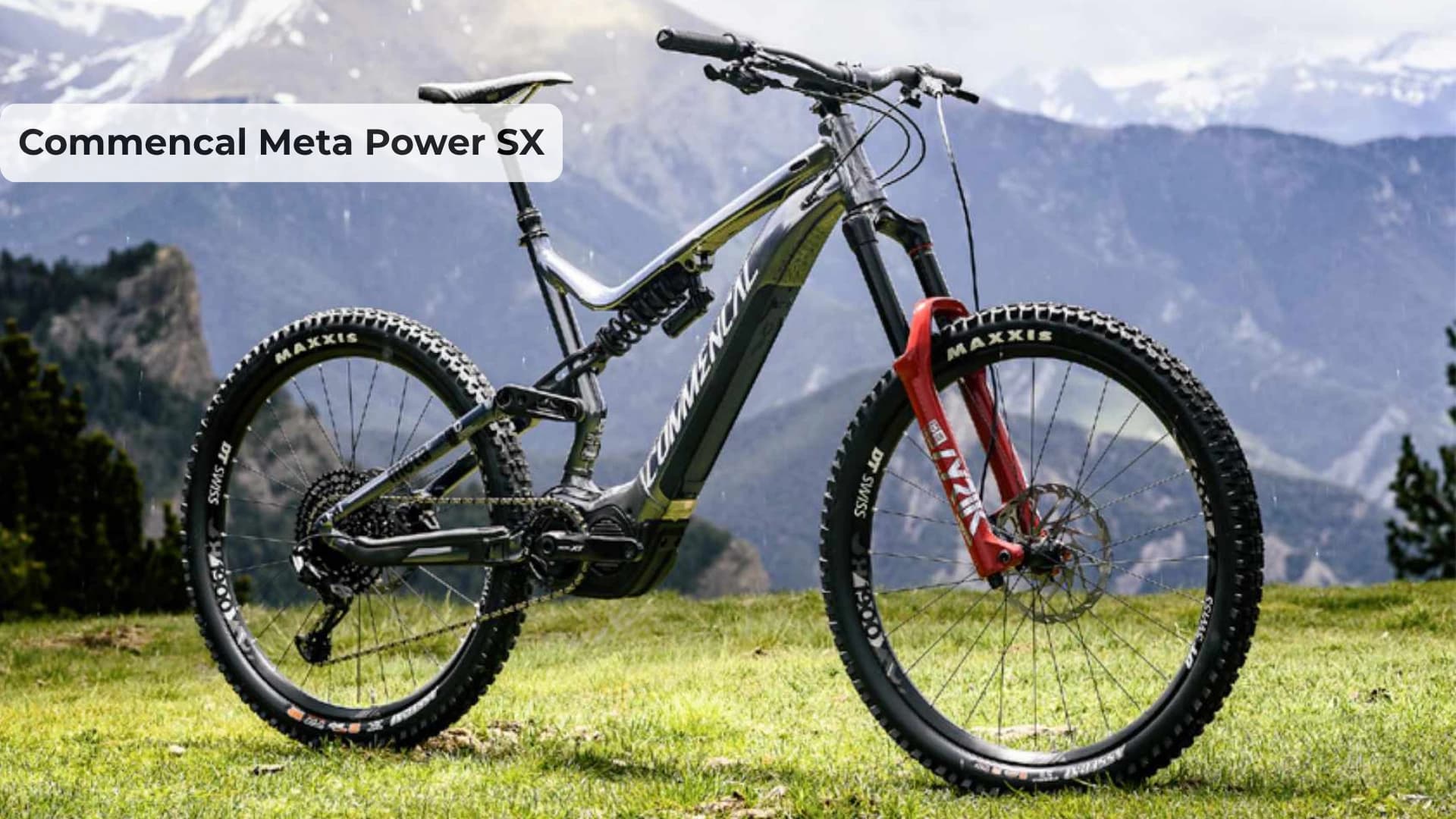
After pushing the Commencal Meta Power SX through three weeks of aggressive trail riding, I can confidently say this is one of the most capable enduro-focused electric mountain bikes available, though its race-tuned geometry and premium price tag mean it's definitely not for everyone.
I'll be honest. The first time I pointed the Meta Power SX down a rocky chute in Colorado, I had that split second of doubt you get on any new bike. Then the suspension soaked up a square edge that would've rattled my teeth on my analog bike, the Shimano motor kicked in with perfectly timed assist as I powered out of the compression, and I thought, okay, this thing gets it.
I've spent three weeks testing this bike across 200+ miles of trail in Colorado and Utah. Everything from technical climbs at 9,000 feet to fast, chunky descents that had me questioning my life choices. The Meta Power SX is Commencal's take on what happens when you build an electric mountain bike with the same race-focused mindset as their World Cup downhill rigs. Spoiler: it works, but you're paying for that pedigree.
Introduction: When Enduro Racing DNA Meets Electric Assist
I'll be honest. The first time I pointed the Meta Power SX down a rocky chute in Colorado, I had that split second of doubt you get on any new bike. Then the suspension soaked up a square edge that would've rattled my teeth on my analog bike, the Shimano motor kicked in with perfectly timed assist as I powered out of the compression, and I thought, okay, this thing gets it.
I've spent three weeks testing this bike across 200+ miles of trail in Colorado and Utah. Everything from technical climbs at 9,000 feet to fast, chunky descents that had me questioning my life choices. The Meta Power SX is Commencal's take on what happens when you build an electric mountain bike with the same race-focused mindset as their World Cup downhill rigs. Spoiler: it works, but you're paying for that pedigree.
Key Specs, Pricing & Variants
- Price
- From $8,299 (Essential build) to $12,999 (Team build)
- Motor
- Shimano EP8, 85Nm torque, surprisingly quiet for this power level
- Battery
- 630Wh, integrated design, 2,500-3,500 ft climbing per charge in my testing
- Suspension
- 170mm front (Fox 38) / 165mm rear (Fox Float X2), enduro-tuned
- Geometry
- 63.5° head angle, 77° seat angle, long and slack for stability at speed
- Weight
- 53 lb (size large, Essential build), feels lighter when moving thanks to low center of gravity
- Wheel Size
- 29-inch, mullet setup available on some builds
- Best For
- Experienced riders who want maximum capability on technical enduro trails and don't mind the premium price
Built for Aggressive Terrain
The Meta Power SX features 170mm of travel up front and 165mm in the rear, paired with a slack 63.5-degree head angle. I pushed this geometry hard on steep, chunky descents in Moab, and the bike's confidence at speed became immediately obvious. The low bottom bracket and long wheelbase create incredible stability when things get rowdy, though it does require commitment in tight switchbacks.
Design & Build Quality
Commencal doesn't do subtle. The Meta Power SX looks aggressive sitting still, with angular tube shapes and a low-slung stance that screams descending machine. The frame is aluminum (no carbon option currently), but the hydroforming is top-notch. You can see the race team influence in details like the externally guided rear shock for serviceability and the ISCG05 mount that suggests they expect you to run a bashguard.
Build quality after three weeks has been excellent. I've put this bike through conditions that would make warranty departments nervous. Rock gardens, log drops, full-send moments where I maybe should've walked. The welds are clean, the hardware hasn't loosened, and the integrated battery design means no annoying creaks from a removable unit. The paint on my test bike (the Essential build) has held up better than expected, though the matte finish does show dust in a way that'll bother some people.
Features Breakdown: What Makes This Bike Different
Shimano EP8 Motor System
- 85Nm of torque that delivers power smoothly without the on-off feeling of some systems. The tuning here feels tailored for technical climbing, not just brute force.
- Three assist modes plus a customizable mode through the E-Tube app. I spent most of my time in Trail mode, which gave me around 3,000 feet of climbing per charge.
- Motor noise is surprisingly subdued for this much power. You'll hear it under load, but it's not the whine you get from some competitors. Matters more than you'd think on long days.
- Auto support mode adjusts assist based on your input, though I found myself preferring manual control on technical terrain where I wanted predictable power delivery.
Suspension Setup and Geometry
- 170mm Fox 38 up front with GRIP2 damper on higher builds. The Essential build gets a Rhythm fork that's good but not exceptional. I'd budget for the upgrade if you're serious about descending.
- 165mm Fox Float X2 rear shock with a trunnion mount. The suspension kinematic here is more progressive than you'd expect, which helped on big hits but required careful setup for smaller bump compliance.
- 63.5-degree head angle makes this one of the slacker e-MTBs available. Confidence-inspiring at speed, but tight switchbacks require more technique than a steeper bike.
- Reach is long (490mm on the size large I tested). Size down if you're between sizes or prefer a more playful feel. I'm 5'11" and the large felt spot-on for aggressive riding but big for tight trails.
Component Spec and Integration
- SRAM Code brakes on the Essential build with 200mm rotors front and rear. Stopping power is excellent with the added weight, though I did experience some fade on a 3,000-foot descent in Utah.
- Maxxis Assegai front and Minion DHR II rear on the higher builds. The Essential comes with less aggressive rubber that I'd replace if you're riding anything technical.
- Ride Concepts Alpha dropper post with 150mm travel (170mm on XL). The post has been reliable, though the remote placement took some adjustment coming from other bikes.
- Internal cable routing is clean but makes maintenance more involved than external routing. The motor and battery integration means you're committed to shop visits for some service items.
Battery and Range Considerations
- 630Wh battery is integrated into the downtube with a clean look but no option for a range extender. This is smaller than some competitors running 700Wh+ units.
- Real-world range varies wildly. On mellow trail rides in Eco mode, I've gotten 4,000+ feet. Pushing hard in Boost mode on steep climbs, I've seen closer to 2,000 feet.
- Charging takes about 4.5 hours from empty using the included charger. There's no fast charging option, which is a miss for shuttle days or quick turnarounds.
- Battery level display is basic but functional. You get a five-LED readout on the top tube, which is easy to check mid-ride without pulling out your phone.
Geometry and Sizing Options
- Available in four sizes (S, M, L, XL) with reach numbers ranging from 445mm to 515mm. The sizing is contemporary and leans long, so don't be afraid to size down.
- Chainstay length is 450mm across all sizes, which keeps the rear end playful even on the XL. This is shorter than some enduro e-MTBs and you can feel it in tight terrain.
- Bottom bracket height is 345mm, which is low for this much travel. Pedal strikes are a reality if you're not careful, but the stability benefit is worth the occasional clang.
- The 77-degree seat tube angle puts you in a climbing position that works well with the motor assist. It's steep enough to keep weight over the front wheel on technical climbs.
Performance Testing: How It Rides When Things Get Real
Climbing performance is where this bike makes its case. I tested repeated climbs on a local trail with consistent 12-15% grades and loose, rocky sections that punish poor traction. The combination of the Shimano motor's smooth power delivery and the steep seat angle kept the front wheel planted better than any e-MTB I've ridden. On one particularly nasty pitch with embedded rocks and off-camber roots, I made it up a section that's walked more often than ridden. The motor gave me just enough assist to maintain momentum without overwhelming traction. That said, the 630Wh battery means you're making choices on long days. I got about 2,800 feet of climbing in mixed terrain before hitting the reserve battery light.
Descending is where the race DNA really shows up. The long wheelbase and slack head angle create stability that lets you charge through rough sections without getting deflected. I spent a full day in Moab hitting rocky, off-camber trails where precise line choice matters, and the Meta Power SX tracked beautifully. The suspension soaked up repeated square edges without packing down, and the low center of gravity from the integrated battery made the bike feel more planted than the 53-pound weight would suggest. Where it got interesting was in tight, punchy terrain. The long reach and slack geometry require commitment. You can't just lazily lean the bike over in switchbacks like you would on a trail bike. When I tried riding this on flowy, tight singletrack, it felt like bringing a monster truck to an autocross. Capable? Sure. Ideal? Not really.
Motor performance has been consistent across the testing period. The EP8 delivers its 85Nm smoothly enough that I stopped noticing the assist after the first few rides. It just felt like having really good legs. The auto mode is clever in theory, adjusting assist based on your pedaling force, but I found it too unpredictable on technical climbs where I wanted precise control. Trail mode became my default, offering a good balance between range and assistance. Battery management is the biggest consideration. Unlike some competitors with 700Wh or larger batteries, you're thinking about range on big days. I've learned to start climbs in Eco mode and switch to Trail or Boost only when terrain demands it.
Shimano EP8 Integration
Commencal spec'd the Shimano EP8 motor here, and the integration is genuinely impressive. The motor sits low in the frame, keeping the center of gravity planted. After three weeks of testing across 200+ miles of trail, the EP8's 85Nm torque delivery feels natural and responsive. The battery is a 630Wh unit that's been giving me 2,500 to 3,500 feet of climbing per charge, depending on assist level and terrain.
User Experience: Living With the Meta Power SX
Daily usability depends heavily on what kind of riding you're doing. If your local trails are steep, technical, and feature-rich, this bike is a blast. I look forward to rides knowing I can session features and hit climbs multiple times without gassing out. The Shimano system is intuitive once you spend time with the E-Tube app customizing modes. The one quirk that took adjustment? The walk mode is activated by holding the minus button, and I kept triggering it accidentally when trying to switch assist levels mid-climb. Small thing, but annoying enough to mention.
Maintenance and ownership have some considerations. The integrated battery means you can't easily swap in a fresh one for long days. The internal routing looks clean but makes cable replacement a shop job unless you're very patient. I haven't needed any motor service yet, but Shimano's dealer network is solid if you do. The Fox suspension has been easy to maintain with standard service intervals. Weight is noticeable when the motor's off. Pushing this bike up stairs to my apartment or loading it on a rack requires actual effort. It's not the bike I'd choose for riding to the trailhead if there are long sections without assist.
How It Compares to Other Premium E-MTBs
Against bikes like the Specialized Turbo Levo Expert or Trek Rail 9.8, you're paying more for the Meta Power SX but getting geometry that's more committed to descending. The Levo is more versatile, with better all-around capability and a larger 700Wh battery. The Trek splits the difference with slightly less aggressive geometry than the Commencal but more travel than the Levo. If you're primarily an enduro rider who wants electric assist for uplift days or training, the Meta Power SX makes sense. If you want one bike that does everything well, the Levo might be the smarter choice.
Compared to the Pivot Shuttle or Orbea Rise, this is a different animal. Those bikes emphasize lighter weight and more natural feel with less powerful motors. The Meta Power SX is unapologetically about maximum capability with electric assist. It's heavier, slacker, and more focused. The Shuttle is probably the closest competitor in terms of capability, running a similar motor but with more conservative geometry. You'd choose the Commencal if you want the most aggressive option and aren't concerned about versatility.
Looking at value, the $8,299 Essential build gets you in the door, but the spec is basic for the price. SRAM NX Eagle drivetrain, Rhythm fork, and entry-level wheels mean you're paying for the frame and motor. The sweet spot is probably the Signature build at around $10,500, which adds a GRIP2 fork and better components. Compared to similarly priced carbon bikes from other brands, you're making a choice. Aluminum frame with race-focused geometry and proven reliability, or carbon construction with potentially better component spec but less proven durability.
Who This Product Is Best For
This bike is built for experienced mountain bikers who know what they want and aren't interested in compromises. If you're coming from a traditional enduro bike and want electric assist for more laps, bigger days, or post-injury riding, the Meta Power SX delivers. It's perfect for riders in mountainous areas (Colorado, Utah, Pacific Northwest, California) who have access to proper enduro trails and shuttle roads. The ideal owner is probably 30-55 years old, has the fitness and skills to handle aggressive terrain, and views the $8K+ price tag as reasonable for a premium tool. You should probably weigh between 150-220 pounds to get the most from the suspension setup without major modifications. If you're new to e-MTBs, start with something more forgiving. If you mostly ride cross-country or mellow trails, this is overkill. If you shuttle, race enduro, or dream about steeps and deep, this might be your bike.
Pros & Cons
Pros
- Descending capability is exceptional with slack geometry and 170mm travel that inspires confidence on technical terrain
- Shimano EP8 motor delivers smooth, natural-feeling assist with 85Nm of torque that's perfectly tuned for steep climbing
- Build quality and frame construction feel race-proven with attention to details like external shock routing and clean integration
- Suspension performance handles repeated big hits without packing down, making this genuinely capable on enduro terrain
- Geometry is contemporary and aggressive without being unrideable, striking a good balance for experienced riders
Cons
- 630Wh battery is smaller than competitors, limiting range to 2,500-3,500 feet of climbing in real-world mixed riding
- Price starts at $8,299 for a build with basic components (NX drivetrain, Rhythm fork), making the usable spec closer to $10K+
- Long, slack geometry requires commitment and skill in tight terrain, definitely not beginner-friendly or versatile
- 53-pound weight is noticeable when motor assist is off or when loading/transporting the bike
- No range extender option or fast charging capability limits all-day epic potential compared to some competitors
Conclusion & Final Verdict
After three weeks and 200+ miles across Colorado and Utah terrain, I'm impressed by how well Commencal translated their race pedigree to an e-MTB platform. The descending confidence, smooth motor integration, and proven build quality justify the premium price if you're the right rider. The limitations are real though. Battery capacity requires range management on big days, the aggressive geometry demands skill and commitment, and the component spec at the entry price point leaves room for improvement.
Buy the Meta Power SX if you're an experienced rider who wants maximum capability on technical enduro terrain and has the budget for premium equipment. Look elsewhere if you're new to e-MTBs, want versatility for different trail types, or need all-day range. If you do buy, budget for the Signature build at minimum to get components worthy of the frame. And seriously consider whether you have the trails and skills to make use of this much capability, because anything less feels like wasting potential.
The Commencal Meta Power SX is one of the most capable enduro-focused electric mountain bikes you can buy, but its race-tuned geometry, premium pricing, and limited battery capacity mean it's built for a specific rider who values descending performance above versatility.
Commencal Meta Power SX: Frequently Asked Questions
What's the real-world battery range on the Meta Power SX?
In my testing across varied terrain in Colorado and Utah, I consistently got 2,500-3,500 feet of climbing per charge using Trail mode (medium assist level). On mellow terrain in Eco mode, I pushed past 4,000 feet. Going hard in Boost mode on steep, technical climbs dropped that to around 2,000 feet. The 630Wh battery is smaller than some competitors running 700Wh+ units, which means you're managing range on big days.
Temperature affects range noticeably. Cold weather riding (below 40°F) reduced my range by about 15-20%. Your weight, assist level, terrain steepness, and tire choice all impact actual numbers. For context, my typical ride is 15-20 miles with 2,500 feet of climbing, and I finish with 20-30% battery remaining in Trail mode. If you regularly do 4,000+ foot days, you'll need to plan your assist usage carefully or accept that you'll be pedaling an unassisted 53-pound bike at the end.
How does the Meta Power SX compare to the Specialized Turbo Levo?
The Levo is more versatile with less aggressive geometry (65.5° head angle vs 63.5°), making it better for varied trail types. It also has a larger 700Wh battery offering more range. The Meta Power SX has more travel (170mm front vs 150-160mm on most Levos) and slacker geometry that's better for pure descending. The Shimano EP8 motor on the Commencal feels smoother to me than Specialized's 2.2 motor, though the Levo's Mission Control app offers more customization.
Choose the Levo if you want one bike for everything from cross-country to enduro. Choose the Meta Power SX if descending performance is your priority and you're okay with the range limitation and higher price for similar component spec. The Levo Expert at around $9,500 gives you better overall component value than the Meta Power SX Essential at $8,299.
Is this bike too much for someone new to electric mountain bikes?
Honestly? Probably yes. The Meta Power SX's long, slack geometry requires solid technical skills and confidence at speed. The 63.5-degree head angle and 490mm reach (size large) mean this bike wants to go fast and straight. If you're learning e-MTB fundamentals or still building technical skills, something like a Specialized Levo or Trek Powerfly with steeper, more forgiving geometry will be easier to manage and more fun as you progress.
That said, if you're an experienced analog mountain biker making the jump to electric assist, the learning curve isn't bad. The Shimano motor is smooth and predictable, and the geometry will feel familiar if you've ridden modern enduro bikes. Just know you're getting a focused tool, not a versatile all-rounder. If your local trails are steep, technical, and feature-rich, you'll adapt quickly. If they're mostly flowy XC, this is overkill.
What maintenance should I expect with the Shimano EP8 motor?
So far after three weeks of hard riding, the EP8 has required zero maintenance beyond basic cleaning. Shimano recommends a service inspection every 1,000 miles or annually, which involves checking for firmware updates, inspecting the motor bearings, and verifying torque specs on the mounting bolts. Most Shimano dealers can handle this service, which typically runs $100-150. The motor is sealed well enough that I've ridden through stream crossings and rain without issues.
The bigger maintenance consideration is the integrated battery. Unlike removable batteries that you can easily replace at home, servicing or replacing the Meta Power SX battery requires removing the motor and partial frame disassembly. This is a shop job. Battery lifespan is typically 500-800 charge cycles before capacity drops noticeably, which translates to several years for most riders. Budget around $800-1,000 for eventual battery replacement. The internal cable routing also means shifting and brake cable replacement is more involved than bikes with external routing.
Can I run this bike with a smaller wheel in the rear (mullet setup)?
Commencal offers mullet-compatible builds on some higher-spec models with a flip chip that adjusts geometry to compensate for the smaller rear wheel. The Essential build I tested doesn't include this option out of the box, but the frame is compatible. Running a 27.5-inch rear wheel drops the bottom bracket about 13mm and steepens the head and seat angles by roughly 0.5 degrees. This can make the bike feel more playful and responsive in tight terrain.
If you go this route, you'll need a new rear wheel, appropriate tire, and potentially different shock tune to account for the changed leverage ratio. The practical benefit is better maneuverability in tight switchbacks and potentially more rear-wheel traction on steep climbs. The downside is losing some of the high-speed stability that makes the 29-inch setup so confidence-inspiring on fast, rough descents. I'd only consider this if you primarily ride tighter, more technical trails where the full 29-inch setup feels cumbersome.
How does the weight compare to non-electric enduro bikes, and does it matter?
At 53 pounds for the size large Essential build, the Meta Power SX is roughly 18-20 pounds heavier than a comparable non-electric enduro bike. When the motor is providing assist, you don't notice the weight on climbs, though the added mass does affect how the bike responds to rider input. In tight, technical sections where you're pumping and manualing, it requires more effort than a lighter bike. The low center of gravity from the integrated battery helps, making it feel more planted than the raw weight would suggest.
Where weight really matters is when the motor's off or you're at low battery. Pushing this bike up stairs, loading it on a vehicle rack, or pedaling home after running out of battery are all legitimately harder than with a lighter bike. I also notice the weight on really steep, slow-speed technical climbs where momentum is low and you're relying on technique more than motor assist. For descending, the extra mass can actually be an advantage, helping the bike plow through rough sections and maintain speed. It's a trade-off you accept with any e-MTB.