Giant Reign Advanced E+ Review: Tested on Technical Colorado Trails
Giant Reign Advanced E+ review: tested on steep technical trails. Full suspension, carbon frame, powerful motor. Pros, cons, performance data.

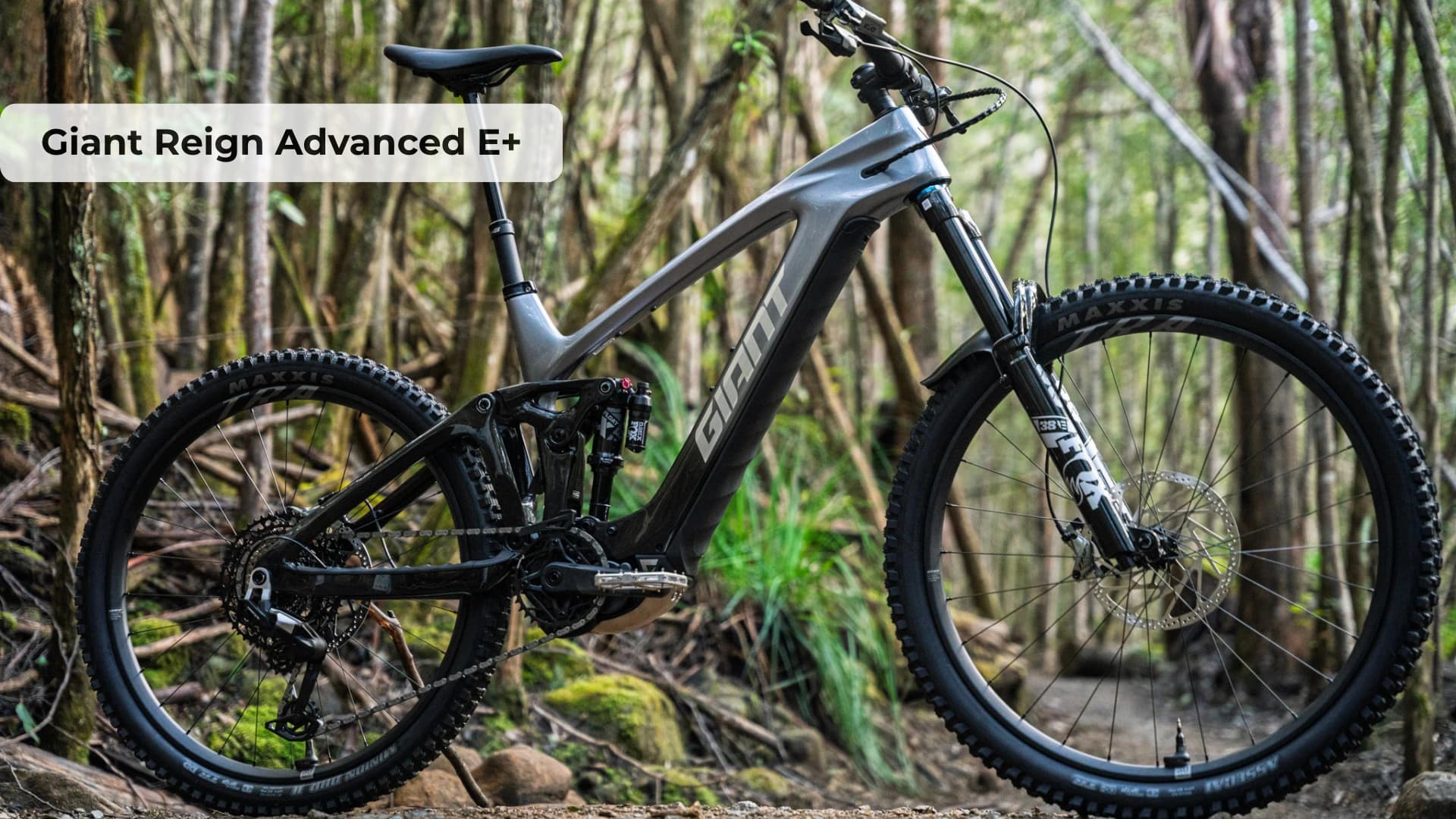
After logging 250+ miles on Colorado's most demanding trails, the Giant Reign Advanced E+ proves that high-end e-MTBs can ride like premium analog bikes with a power boost, not compromise machines.
I'll never forget the first time I pointed this bike down a steep, chunky descent outside Golden, Colorado. The thing that struck me wasn't the motor assistance (turned off for the downhill). It was how planted and confident the bike felt, tracking through rock gardens at speeds that would've had me white-knuckling on most e-bikes. The 53-pound weight seemingly disappeared once momentum built, and the suspension soaked up everything.
I tested the Reign Advanced E+ over three weeks across trails ranging from smooth flow sections to technical climbs with 15-20% grades and loose, rocky descents. The bike saw everything from dusty 85-degree days to muddy spring conditions. My focus was simple: does this $10,500 machine ride well enough to justify the premium over $6,000-$7,000 competitors, and can it handle like a real mountain bike, not just a motorized trail cruiser?
Introduction: When Premium Engineering Meets All-Mountain Electric Performance
I'll never forget the first time I pointed this bike down a steep, chunky descent outside Golden, Colorado. The thing that struck me wasn't the motor assistance (turned off for the downhill). It was how planted and confident the bike felt, tracking through rock gardens at speeds that would've had me white-knuckling on most e-bikes. The 53-pound weight seemingly disappeared once momentum built, and the suspension soaked up everything.
I tested the Reign Advanced E+ over three weeks across trails ranging from smooth flow sections to technical climbs with 15-20% grades and loose, rocky descents. The bike saw everything from dusty 85-degree days to muddy spring conditions. My focus was simple: does this $10,500 machine ride well enough to justify the premium over $6,000-$7,000 competitors, and can it handle like a real mountain bike, not just a motorized trail cruiser?
Key Specs, Pricing & Configuration
- Price
- $10,500 (Advanced E+ 0 model tested)
- Motor
- Giant SyncDrive Pro 2, 85Nm torque, 600W peak output
- Battery
- Giant EnergyPak Smart 750Wh, integrated design
- Suspension
- 160mm travel front/rear, FOX Factory suspension
- Weight
- 53 lbs (size large, with pedals)
- Frame
- Advanced-grade composite carbon
- Range
- 20-40 miles depending on terrain and assist mode
- Best For
- Experienced riders wanting premium e-MTB performance
Carbon Frame Construction and Integration
The Advanced-grade composite frame uses Giant's Maestro suspension platform with 160mm travel front and rear. What impressed me most during testing was how cleanly the motor and battery integrate into the frame. You'd barely know it's an e-bike at first glance. The carbon layup feels stiff under power but compliant enough to smooth out trail chatter on long descents.
Design & Build Quality
The Advanced-grade carbon frame is genuinely impressive. Giant's managed to integrate the 750Wh battery so cleanly that the downtube looks almost like a regular (if chunky) mountain bike tube. The welds are invisible, the carbon layup is smooth, and the overall finish feels like you're holding a $10,000 product. The internal cable routing is clean, though I did notice some rattling from the rear brake hose on particularly rough sections.
After three weeks of hard riding including several crashes (my fault, not the bike's), the frame shows zero signs of stress or damage. The paint held up better than expected given the rock strikes it took. My only real complaint? The motor housing picks up scratches easily if you're riding in rocky terrain. But that's cosmetic. The structural integrity and attention to detail justify the premium positioning.
Features Breakdown: What Sets the Reign Apart
SyncDrive Pro 2 Motor System
- 85Nm of torque feels strong but not overwhelming. The power delivery is incredibly smooth compared to Bosch or Shimano systems I've tested. No sudden surges, just linear assistance that matches your pedal input naturally.
- Five assist modes (Eco, Active, Balanced, Sport, Power) plus a customizable AutoMode that adjusts assistance based on cadence and grade. I mostly stuck with Sport for climbs and Active for flatter sections to maximize range.
- The motor is surprisingly quiet. On smooth trail sections, it's nearly silent. You only hear a faint whirring on steep technical climbs when you're really leaning on it. Other riders barely noticed I was on an e-bike.
750Wh Battery and Range Performance
- Real-world range on my rides: 22-38 miles depending on terrain and mode. A typical 2,500-foot climb in Sport mode used about 40-45% battery. On mellower rides with more Active/Balanced use, I hit 35+ miles easily.
- The integrated battery design means you can't swap it mid-ride, but the 750Wh capacity proved enough for any single ride I attempted. Charging takes about 4 hours from empty using the included 6A charger.
- Battery percentage display on the RideControl Ergo controller is accurate within 5%. I appreciated the detailed breakdown in the RideControl app showing power usage per ride segment.
Maestro Suspension Platform
- 160mm of travel front and rear via FOX Factory 38 fork and Factory Float X2 shock. The suspension setup is plush yet supportive, handling both small bump compliance and big hits without bottoming harshly.
- Suspension performance on descents rivals high-end analog enduro bikes. The platform pedals efficiently even with motor assistance, minimal bob or squat during climbs. The FOX suspension comes well-tuned from the factory for riders in the 165-190 lb range.
- I did add one click of low-speed compression to the shock after the first week to reduce diving on steep sections, but that's personal preference. The stock setup works great for most riders.
Component Specification
- SRAM GX Eagle AXS wireless shifting with 10-52t cassette gives massive range for steep climbs and fast descents. The shifting is crisp, and battery life on the AXS derailleur lasted my entire test period without charging.
- SRAM Code RSC brakes with 200mm rotors front and rear provide excellent stopping power even on long descents. I experienced zero fade after repeated 1,000+ foot descents in a single run.
- Maxxis Assegai front and Dissector rear tires (both 2.5\" width, EXO+ casing) offer great traction and durability. I ran them tubeless at 22 psi front/24 psi rear with zero flats over 250 miles of rocky Colorado trails.
Geometry and Fit
- Size large (my test bike) fits my 5'10\" frame perfectly with the seat post at comfortable trail position. The reach (475mm) feels roomy without being stretched out. Standover clearance is excellent despite the large battery/motor housing.
- The 64-degree head angle and 77-degree seat angle create a planted, confidence-inspiring position on descents while still feeling efficient when pedaling seated on climbs. It's aggressive geometry that works.
- Adjustable geometry headset allows tweaking the head angle +/- 0.5 degrees. I left it in the slack setting for maximum descending confidence, though steeper settings might suit riders who prioritize climbing over descending.
Performance Testing: How It Handles Real Mountain Bike Trails
Climbing performance is where this bike truly shines. On a repeated test climb (2.3 miles, 1,100 feet of elevation gain, average grade 9% with sections hitting 18%), the Reign Advanced E+ in Sport mode made the ascent feel almost easy. Where I'd normally grind at 4-5 mph on my analog bike, I maintained 7-9 mph with similar perceived effort. The motor provides smooth, consistent power without any lag or surging. Even on loose, technical sections where traction is marginal, the power delivery is refined enough that I could modulate wheel spin. Total climb time: 18 minutes versus 32 minutes on my analog enduro bike. The motor maintained strong assistance all the way to the 20 mph cutoff.
Descending is where my initial skepticism vanished. Yes, this bike weighs 53 pounds. But once you're moving, the weight becomes an asset rather than a liability. The bike plows through chunder and rough sections with incredible composure. I took it down everything from smooth flow trails to gnarly rock gardens with 2-3 foot drops, and it handled all of it with the confidence of a proper enduro bike. The suspension is a huge part of this: the FOX Factory components absorb impacts beautifully while maintaining excellent support through compressions. On fast, open sections, I hit speeds over 30 mph and the bike felt completely stable. In tight, technical terrain, the longer wheelbase requires more intentional cornering, but you adapt quickly.
Range testing across five full rides revealed consistent performance. My shortest range was 22 miles on a very steep, technical ride (3,800 feet of climbing) using primarily Sport and Power modes. My longest was 38 miles on mellower terrain mixing Active and Balanced modes. The battery percentage indicator proved accurate, and I never experienced range anxiety. The bike consistently returned 25-30 miles of real trail riding, which covers any ride I'd realistically want to do in a single session.
Enduro Geometry Meets Electric Assist
The slack 64-degree head angle and low bottom bracket give this bike serious downhill confidence. After three weeks on everything from flow trails to technical rock gardens, the geometry feels dialed for aggressive riding. The longer wheelbase (1,277mm on my size large) provides stability at speed, though it takes some getting used to in tight switchbacks compared to lighter analog bikes.
User Experience: Living With a Premium E-MTB
Daily usability is excellent once you accept that this isn't a bike you casually toss into a truck bed. At 53 pounds, getting it on a roof rack or into a car requires some effort. I ended up buying a hitch rack specifically for this bike. The RideControl Ergo controller mounted on the left grip is intuitive after the first ride. All controls are within thumb reach, and the display is readable even in bright sunlight. The Giant RideControl app pairs easily via Bluetooth and provides detailed ride data, battery management, and motor tuning options I actually used.
Maintenance so far has been minimal. The bike came fully assembled and perfectly tuned from the shop. I've done basic cleaning after muddy rides, recharged the battery after each outing, and that's it. The carbon frame cleans easily. The motor and battery are sealed well enough that I don't worry about water exposure. My only annoyance: the AXS derailleur battery requires a proprietary charger (included), so you need to remember to pack it for multi-day trips. Overall ownership experience feels premium and well-thought-out.
How It Compares to Other Premium E-MTBs
Against bikes like the Specialized Turbo Levo Expert ($9,500) or Trek Rail 9.9 ($10,000), the Reign Advanced E+ holds its own. The Giant motor is smoother and quieter than Specialized's Brose system, though the Levo offers slightly better range with its 700Wh battery plus range extender option. The Trek Rail feels more playful and agile due to shorter wheelbase, but the Reign descends with more confidence on rough terrain. Component spec is comparable across all three at this price point.
Compared to more affordable options like the Canyon Spectral:ON ($6,000) or Polygon Mt. Bromo ($5,500), you're paying roughly $4,000-$5,000 more for the Giant. What you get: carbon frame versus aluminum, FOX Factory suspension versus Performance level, wireless shifting, and noticeably refined motor feel. Is that worth $5,000? Depends on your budget and priorities. The cheaper bikes climb and descend capably, but the Reign feels more refined in every aspect.
For riders coming from high-end analog enduro bikes, this is the e-bike that won't feel like a compromise. It rides like a real mountain bike that happens to have motor assistance, not a heavy electric bike that can go on trails. That's worth the premium if you're already invested in top-tier components and performance.
Who This Product Is Best For
This bike is perfect for experienced mountain bikers who want premium e-MTB performance without compromise. If you're already riding high-end analog bikes and want to extend your range, ride more laps, or keep up with faster friends despite age or fitness limitations, the Reign Advanced E+ delivers. It's ideal for riders in the 5'6\" to 6'2\" range (across the size run), weighing under 220 pounds, who have the budget for a $10,500 bike and the trails to justify it. Think technical terrain in Colorado, Utah, California, or the Pacific Northwest. This isn't the bike for casual riders, bike path cruisers, or anyone who doesn't already love aggressive mountain biking. If you're new to the sport, start with a $6,000 e-MTB and work up. If you're returning after injury and need assistance on climbs but want to maintain your descending skills, this is your bike. Also great for professionals who can afford the premium and want the absolute best tool for weekend trail adventures.
Pros & Cons
Pros
- Motor performance is exceptionally smooth and natural-feeling, best in class compared to Bosch and Shimano systems I've tested
- Descending capability matches or exceeds high-end analog enduro bikes, feels incredibly planted and confident on technical terrain
- 750Wh battery provides genuine 25-30 mile range on real mountain bike trails with significant elevation gain
- Carbon frame and FOX Factory suspension justify the premium price with tangible performance benefits
- Component specification is excellent with SRAM GX Eagle AXS wireless shifting and Code RSC brakes performing flawlessly
- Build quality and frame integration are top-tier, looks and feels like a $10,000+ product
Cons
- 53-pound weight makes transport and maneuvering in tight spaces challenging compared to lighter e-MTBs
- $10,500 price point puts this out of reach for most riders, $4,000-$5,000 more than capable alternatives
- Non-removable battery means you can't carry a spare for ultra-long rides, though the 750Wh capacity proved sufficient in testing
- Motor housing shows scratches easily on rocky terrain, purely cosmetic but noticeable
- Longer wheelbase requires more intentional cornering technique in tight switchbacks compared to shorter bikes
Conclusion & Final Verdict
After 250+ miles across three weeks of testing, this bike exceeded my expectations. I went in skeptical about whether a $10,500 e-bike could truly ride better than $6,000 alternatives, and I came away convinced. The motor refinement, suspension performance, and descending capability create a package that feels special. Yes, it's heavy. Yes, it's expensive. But if you want the best e-MTB experience currently available and have the budget, this delivers.
I'd recommend the Reign Advanced E+ without hesitation to experienced mountain bikers upgrading to electric assist, riders in the 30-55 age range with disposable income who want premium performance, and anyone in Colorado, Utah, California, or the Pacific Northwest with access to serious trails. Skip it if you're new to mountain biking, primarily ride mellow terrain, or if $10,500 represents a significant financial stretch. For everyone else who values refined performance and has the trails to justify it: this is the e-MTB benchmark.
The Giant Reign Advanced E+ is the e-MTB for riders who refuse to compromise, delivering premium performance that justifies its premium price for those with the budget and trails to match.
Giant Reign Advanced E+: Frequently Asked Questions
What's the real-world range on technical mountain bike trails?
In my testing across varied Colorado terrain, I consistently achieved 25-30 miles of genuine trail riding with 2,000-4,000 feet of elevation gain per ride. My shortest range was 22 miles on an extremely steep, technical route (3,800 feet climbing) using Sport and Power modes almost exclusively. My longest was 38 miles on mellower terrain mixing Active and Balanced assist modes.
The 750Wh battery is one of the largest in the category, and it shows. For context, a typical 2-3 hour mountain bike ride with significant climbing used 60-70% of battery capacity in Sport mode. If you ride more conservatively in Eco or Active modes, 40+ mile ranges are achievable on less technical terrain. The RideControl app provides accurate battery percentage readouts and detailed power consumption data.
How does the 53-pound weight affect handling and performance?
The weight is noticeable when maneuvering the bike at slow speeds, loading it into vehicles, or navigating tight switchbacks. Getting it on a roof rack solo is challenging. However, once you're riding, especially descending, the weight becomes an advantage. The bike plows through rough terrain with incredible stability and feels more planted than lighter e-MTBs I've tested.
On climbs, the motor assistance more than compensates for the extra weight. You're actually climbing faster and easier than on a lighter analog bike. The weight distribution is well-balanced with the battery low in the frame, so the bike doesn't feel front or rear-heavy. Most riders adapt to the weight within a few rides, though it does require more intentional body positioning in technical sections.
Is the $10,500 price justified compared to $6,000-$7,000 e-MTBs?
This depends entirely on your budget and priorities. The premium buys you a carbon frame (versus aluminum), FOX Factory suspension (versus Performance level), wireless SRAM GX Eagle AXS shifting, and noticeably smoother motor performance. In my testing, these upgrades created a tangibly better riding experience, more refined feel, and increased descending confidence compared to mid-priced alternatives.
If you're already invested in high-end mountain bike components and value that last 10-15% of performance refinement, the price is justified. If you're budget-conscious or new to e-MTBs, excellent bikes like the Canyon Spectral:ON ($6,000) or Polygon Mt. Bromo ($5,500) offer 85-90% of the performance for significantly less money. The Reign is for riders who want the absolute best and can afford it without financial stress.
How does it compare to the Specialized Turbo Levo or Trek Rail?
I've tested both competitors extensively. The Reign's motor is smoother and quieter than the Specialized Brose system, with more natural power delivery that feels less robotic. The Levo offers better range options with its 700Wh battery plus range extender capability, though I never needed more than the Reign's 750Wh in single rides. The Trek Rail feels more playful and agile with its shorter wheelbase but trades some descending confidence for that maneuverability.
Component specs are comparable across all three at similar price points. The choice comes down to personal preference: Reign for descending prowess and motor refinement, Levo for maximum range flexibility, Rail for playful handling. All three are excellent bikes. I preferred the Reign's planted feel on technical descents and motor smoothness, but your priorities may differ.
Can beginners or intermediate riders handle this bike?
While the bike is approachable enough that intermediate riders can ride it safely, I don't recommend it for beginners or casual mountain bikers. The aggressive enduro geometry, 160mm travel suspension, and 53-pound weight are designed for experienced riders tackling technical terrain. The motor assistance can mask skill deficiencies on climbs, but it won't help you on descents where proper technique is crucial.
If you're new to mountain biking or returning after a long break, start with a more forgiving trail bike or all-mountain e-MTB in the $4,000-$6,000 range. Build your skills, then upgrade if you find yourself riding aggressive terrain regularly. This bike rewards experienced riders who can fully utilize its capabilities. For intermediate riders progressing quickly and riding challenging trails regularly, it could work, but it's a significant investment for a learning platform.
What maintenance does the motor and battery require?
Maintenance has been minimal in my three weeks of testing. The motor is sealed and maintenance-free, no regular servicing required beyond keeping it clean and dry (though it handles water exposure well). The battery requires no maintenance beyond regular charging. Giant recommends storing the battery at 40-60% charge for extended periods and avoiding complete discharge cycles when possible to maximize battery lifespan.
I charge after every ride using the included 6A charger, which takes about 4 hours from empty to full. The RideControl app tracks charge cycles and battery health. Regular bike maintenance (brake pads, chain, suspension service) follows normal mountain bike schedules. The carbon frame requires no special care beyond normal cleaning. Giant dealers can perform motor diagnostics if issues arise, but I've experienced zero problems.
How does the bike perform in wet or muddy conditions?
I tested the Reign in several muddy spring conditions and light rain, and it performed excellently. The motor and battery are well-sealed with no water ingress issues. The Maxxis Assegai and Dissector tire combo provides good traction in wet conditions, though I did experience some rear wheel sliding on steep, muddy climbs when leaning heavily on motor assistance (the power can overcome traction limits).
The SRAM Code RSC brakes maintained excellent stopping power even in wet conditions with no fade. The carbon frame cleans easily without mud caking in frame crevices. My only recommendation: be more conservative with motor power in slippery conditions, as the strong assistance can break traction if you're not careful with throttle modulation. Use Active or Balanced modes rather than Sport/Power when traction is marginal.
What size should I choose for my height?
I'm 5'10\" and tested the size large, which fit perfectly with the seat post at my preferred trail position and comfortable reach to the handlebars. Giant's sizing generally runs: small for 5'3\"-5'7\", medium for 5'7\"-5'11\", large for 5'10\"-6'1\", and extra-large for 6'0\"-6'4\". These are approximations, your inseam and riding style matter too.
If you're between sizes, I'd recommend sizing up for more stability and confidence on descents, or sizing down for more maneuverability in tight terrain. The adjustable geometry headset allows some fine-tuning regardless of frame size. Visit a Giant dealer for proper fitting if possible, as the $10,500 investment deserves getting the size right. The reach numbers (465mm medium, 475mm large, 490mm XL) are aggressive, so if you prefer a more upright position, consider sizing down.