Riding and Charging Your E-Bike in the Rain: A Practical Guide
Can electric bikes get wet? Yes, most handle rain fine. Here's what IP ratings mean, what to avoid, and how to charge safely after a wet ride.

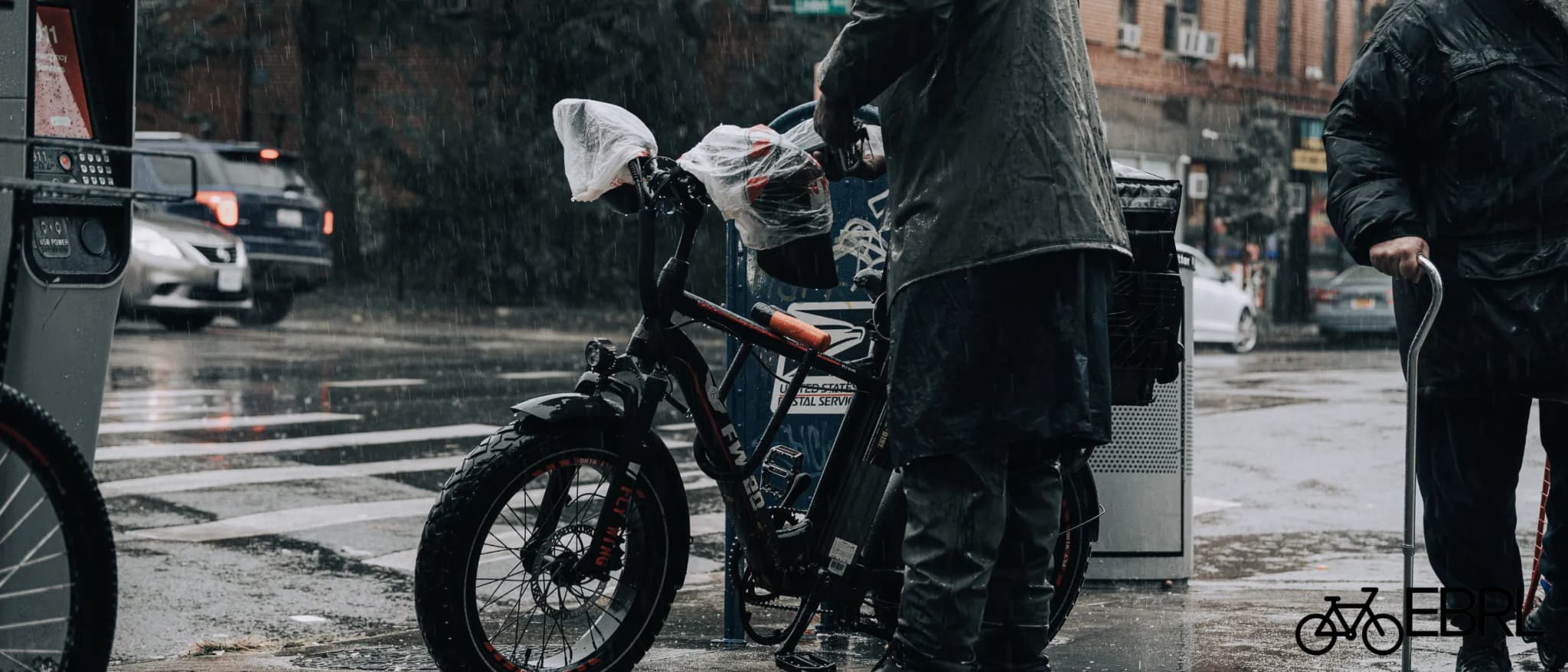
You're standing in your garage, bike helmet in hand, watching clouds roll in, and wondering if you're about to fry a $2,000 investment. It's a fair question. Electric bikes have batteries, motors, and wiring, and none of that sounds like it should mix with water.
Here's the thing though: most electric bikes are built to handle rain. Not a swim across a lake, but a normal, wet commute? That's usually fine. The real risk isn't the rain itself. It's what you do before, during, and after.
Let's get into the details.
The short answer: most e-bikes handle rain fine, with caveats
Electric bikes sold today are designed with weather in mind. Manufacturers know people ride to work, to school, and to run errands regardless of the forecast, so batteries, controllers, and motors are sealed to keep moisture out during normal use.
Riding through a rainstorm? Generally okay. Splashing through a puddle at a reasonable speed? Also fine, most of the time. Where things go sideways is when water exposure goes beyond what the bike was built for. Submerging your e-bike, pressure washing it, or leaving it out in standing water for hours is a different story entirely.
The caveat that trips people up is that "weather resistant" and "waterproof" aren't the same thing, and a lot of buyers assume their bike can handle more than it actually can. That's where IP ratings come in.

What IP ratings actually mean (IPX4 vs IPX5 vs IPX7, explained plainly)
You'll see IP ratings on nearly every e-bike battery and controller, and honestly, most riders have no idea what the numbers mean. Let's fix that.
IP stands for Ingress Protection. The first number after "IP" refers to protection against solid objects like dust. The second number covers protection against liquids. Since dust isn't the concern here, you'll usually see it written as IPX followed by a number.
- IPX4 means the component can handle splashing water from any direction. Think rain, road spray, a puddle you didn't see in time. This is the baseline you'll find on a lot of e-bike batteries.
- IPX5 steps it up to low-pressure water jets. A garden hose on a gentle setting wouldn't hurt it, though you still shouldn't aim one directly at your electronics for fun.
- IPX7 means the component can survive being submerged in up to a meter of water for around 30 minutes. This is a higher standard, and you'll see it more often on premium batteries and some motor housings.
Here's a distinction that matters: an IPX4-rated battery riding in the rain is doing exactly what it's designed to do. The same battery submerged in a flooded street crossing is not. Rain falling on your bike is a very different exposure than water surrounding your bike.
One more thing worth knowing. Different parts of your e-bike can have different ratings. Your battery might be IPX5 while your display or connectors are rated lower. Check your owner's manual for the specific numbers on your model rather than assuming the whole bike shares one rating.
What NOT to do (pressure washing, submerging, riding through deep puddles)
This is where most rain-related e-bike damage actually happens, and it's almost never from riding in a normal downpour.
Don't pressure wash it. This is the number one mistake. A pressure washer forces water into seams, connectors, and vents at a force way beyond what any IP rating accounts for. Even bikes rated IPX7 aren't built to withstand a jet of water at close range. Stick to a garden hose on low pressure, or better yet, a damp cloth.
Don't submerge it. Riding through a flooded intersection, parking it in standing water, or hosing it down in a way that pools water around the battery connector are all asking for trouble. Water finds its way into places it shouldn't.
Be careful with deep puddles. A shallow puddle at a normal riding speed is one thing. A puddle deep enough to submerge your bottom bracket or battery connectors, especially if you're riding through it fast enough to send up a wave, is another. If you can't see the bottom or estimate the depth, walk it instead.
Skip the car wash. Automatic car washes use high-pressure jets and sometimes hot water, neither of which your e-bike's electronics are built to handle.
Is it safe to charge a wet e-bike?
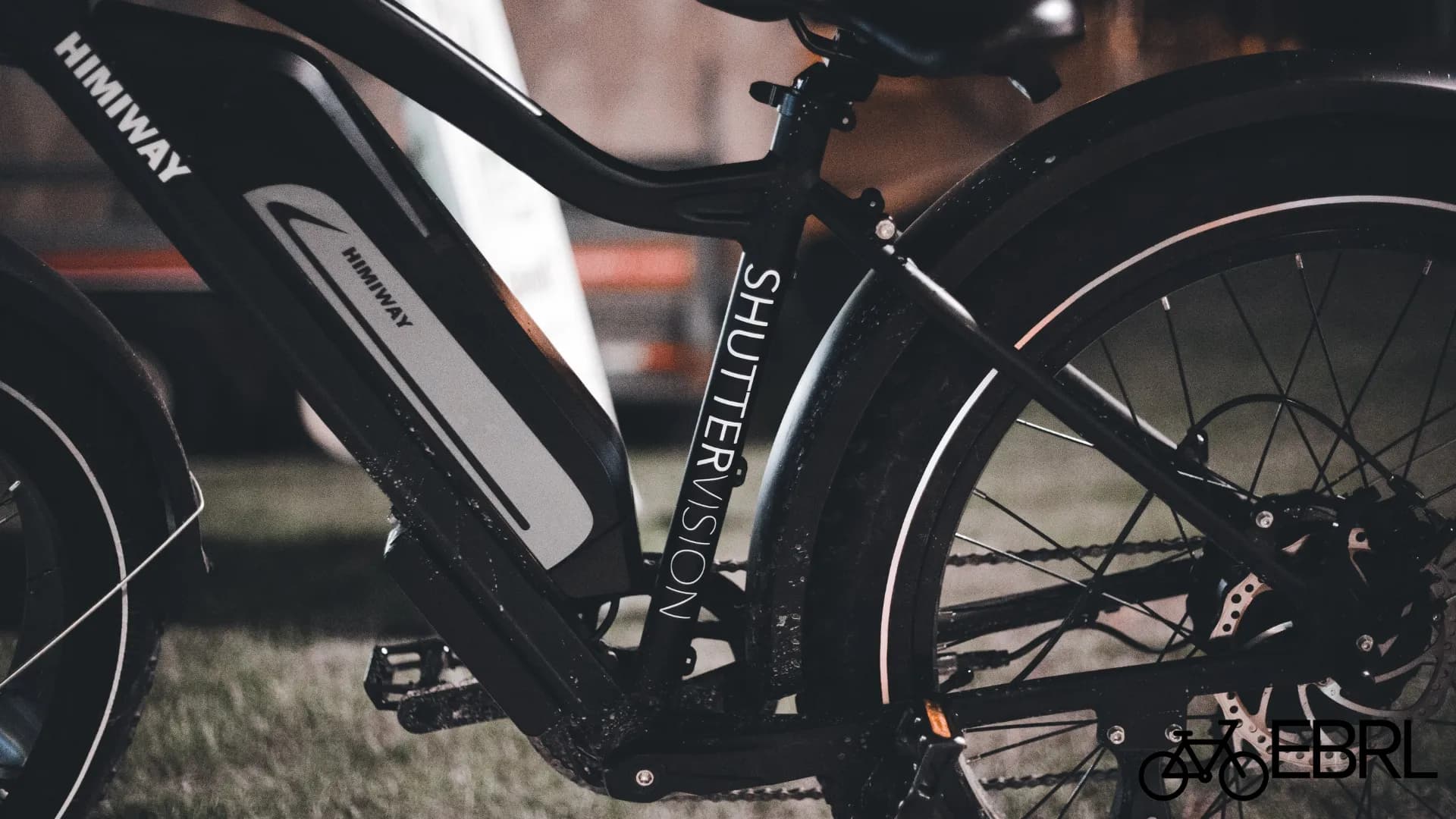
This is the question almost nobody answers clearly, and it's actually the moment where risk is highest.
Charging introduces electrical current into a system that, if wet in the wrong places, could short circuit or corrode over time. The safest approach is to let your bike dry off before plugging it in, particularly around the charging port and battery connector.
In practice, here's what that looks like. After a wet ride, wipe down the charging port and battery area with a dry cloth. Give the bike 15 to 30 minutes in a dry space before connecting the charger, longer if it's still visibly damp around the connectors. If you notice moisture inside the charging port itself, let it air dry fully rather than forcing a connection.
Never charge a bike that's been submerged or heavily soaked without inspecting it first. If water got into the battery casing, charging it could be genuinely dangerous, not just bad for the electronics. When in doubt, have it checked by a bike shop or the manufacturer before you plug it back in.
How to dry and store your e-bike after a wet ride
A few minutes of aftercare goes a long way toward keeping your e-bike running well for years.
Start by wiping down the frame, battery housing, and display with a dry towel. Pay extra attention to the battery connector, charging port, and any exposed wiring. A can of compressed air can help clear moisture out of tight spots like the derailleur and connector housings.
Store the bike somewhere dry, not out on a covered porch where humidity still gets in. If you ride in the rain often, consider removing the battery after wet rides and letting it dry separately indoors, since batteries are often the most sensitive component.
Lubricate the chain after it dries. Rain washes away lubrication fast, and a dry, rust-prone chain is one of the more common results of regular wet-weather riding.
Waterproofing tips and accessories
You can't make a bike fully waterproof, but you can stack the odds in your favor.
Fenders keep road spray off the battery and drivetrain, which matters more than people expect since a lot of water exposure comes from below, not above. A battery cover or rain sleeve adds an extra layer of protection for longer rides in wet conditions. Dielectric grease on connectors helps prevent corrosion from moisture that does get through. And if you're storing your bike outdoors regularly, a breathable bike cover beats a plastic tarp, which traps condensation underneath.
For anyone commuting through genuinely wet climates, it's worth checking whether your specific model has an IPX5 or higher rating before you rely on it daily through fall and winter. Not every e-bike is built the same, and matching your riding conditions to your bike's actual rating saves headaches down the road. Looking for weather-ready city picks? See our best electric city bikes for daily riding.
Frequently Asked Questions
Can I pressure wash my e-bike?
No. Pressure washers force water past seals that aren't designed for that kind of force, even on bikes with high IP ratings. Use a garden hose on low pressure or a damp cloth instead.
Will rain damage the motor or battery?
Normal rain exposure typically won't damage a properly sealed motor or battery. Damage usually comes from submersion, high-pressure water, or charging a bike before it's dried off.
Can I ride an e-bike through a puddle?
Shallow puddles at a reasonable speed are usually fine. Deep puddles that could submerge the battery connector or bottom bracket are worth avoiding or walking around.
What's the most waterproof e-bike class?
There's no official "class" for waterproofing, but IPX7-rated components offer the highest common protection, handling brief submersion up to a meter deep. Check your specific bike's rating rather than assuming based on price or brand.