Electric Bike Conversion Kits: Are They Actually Worth It?
Thinking about converting your bike instead of buying an e-bike? Here's what conversion kits actually cost, the risks nobody mentions, and who they're rea…

So you've got a perfectly good bike sitting in the garage, and you're staring at electric bike prices thinking, "why can't I just add a motor to what I already have?"
Good news: you can. That's exactly what a conversion kit does. The harder question is whether it's actually the smarter move, or whether you'd be better off just buying a purpose-built e-bike and calling it a day.
I've looked into this from both sides, talked to people who've done the conversion and people who regretted it, and the honest answer is: it depends a lot on your bike, your budget, and how much tinkering you're willing to tolerate. Let's get into it.
What a Conversion Kit Actually Includes
A typical electric bike conversion kit gives you four main things: a motor, a battery, a controller, and a display or throttle. Most kits fall into two camps.
Hub motor kits replace your front or rear wheel with one that has a motor built into the hub. These are the most common, and honestly the easiest for a first-timer to install. You're basically swapping a wheel and running some wires.
Mid-drive kits mount the motor near the pedals, working through your existing gears. They feel more natural to ride and handle hills better, but they're pricier and trickier to fit, especially if your bottom bracket isn't a standard size.
Battery packs usually strap onto the frame, the rear rack, or sometimes get built into a bottle-cage style mount. Capacity ranges quite a bit, but most hobbyist kits land somewhere between 36V and 48V, which is plenty for commuting distances.
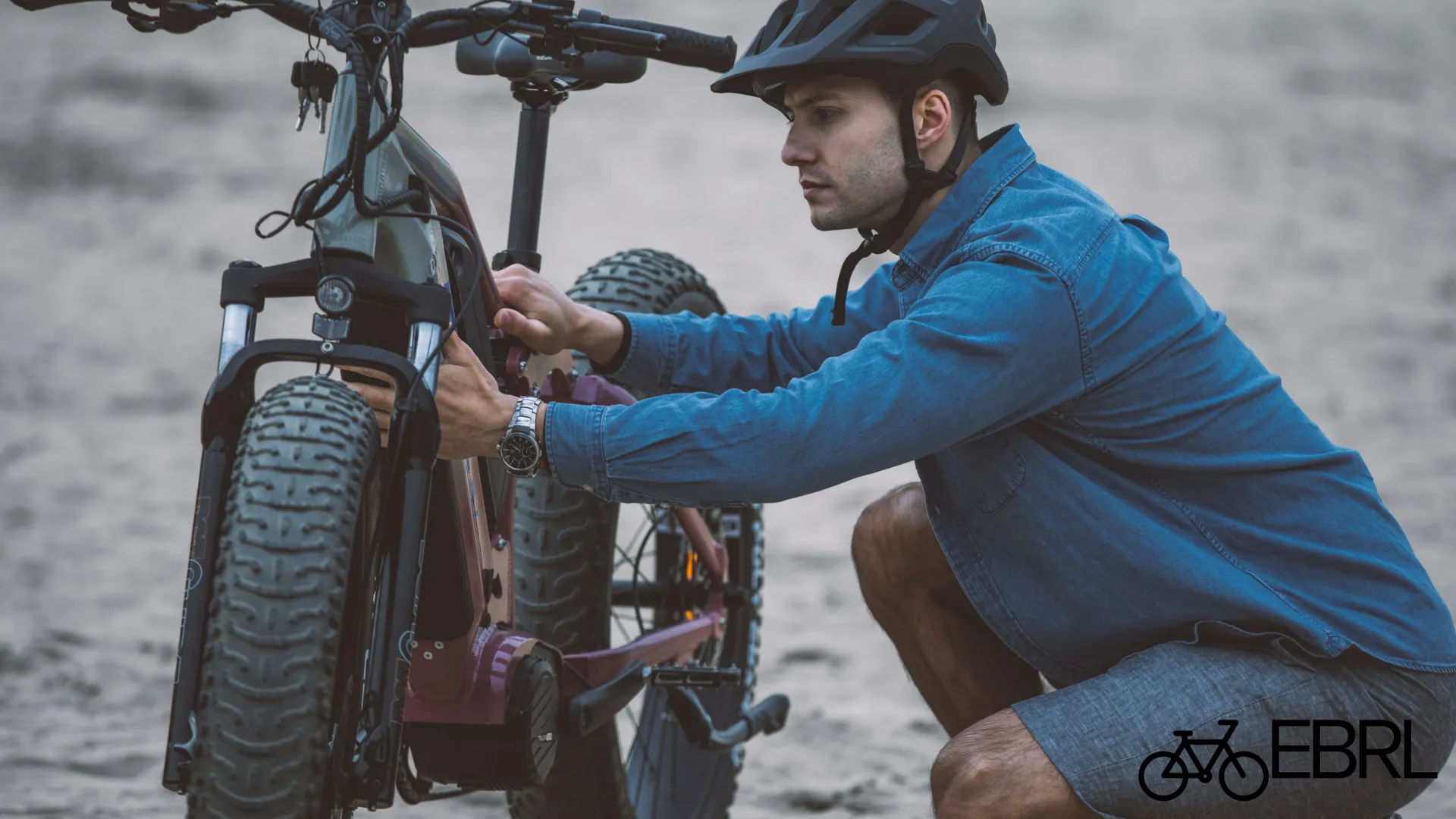
Cost Comparison: Conversion Kit vs Buying a New E-Bike
This is where people get surprised, in both directions.
A decent hub motor conversion kit runs somewhere between $300 and $700. Go mid-drive, and you're looking at $600 to $1,200 depending on power output and battery size. Add a new battery if the kit doesn't include one, and tack on another $200 to $500.
Meanwhile, a solid entry-level e-bike from a known brand starts around $800 to $1,200, and a genuinely good one with a reliable warranty and proper support lands closer to $1,500 to $2,500.
So on paper, conversion looks cheaper. And if your existing bike is already high quality, say a nice touring frame or a mountain bike with disc brakes, it often is. But here's the catch nobody mentions upfront: if your bike needs upgrades to handle the extra weight and torque (better brakes, stronger wheels, a sturdier fork), those costs stack up fast. Suddenly your "budget" conversion is creeping toward the price of just buying the e-bike.
Pros of Converting Your Own Bike
There's a real appeal here beyond just price.
You keep a bike that already fits you. If you've spent years dialing in the right frame size and saddle position, that's not nothing. You also get to choose your own components instead of accepting whatever a manufacturer bundled together, which matters if you're picky about battery range or motor wattage.
There's also a satisfaction factor. A lot of DIY converters genuinely enjoy the process. It's a weekend project, not just a purchase.
Cons and Risks (Legality, Battery Quality, Fit Issues, Warranty Voiding)
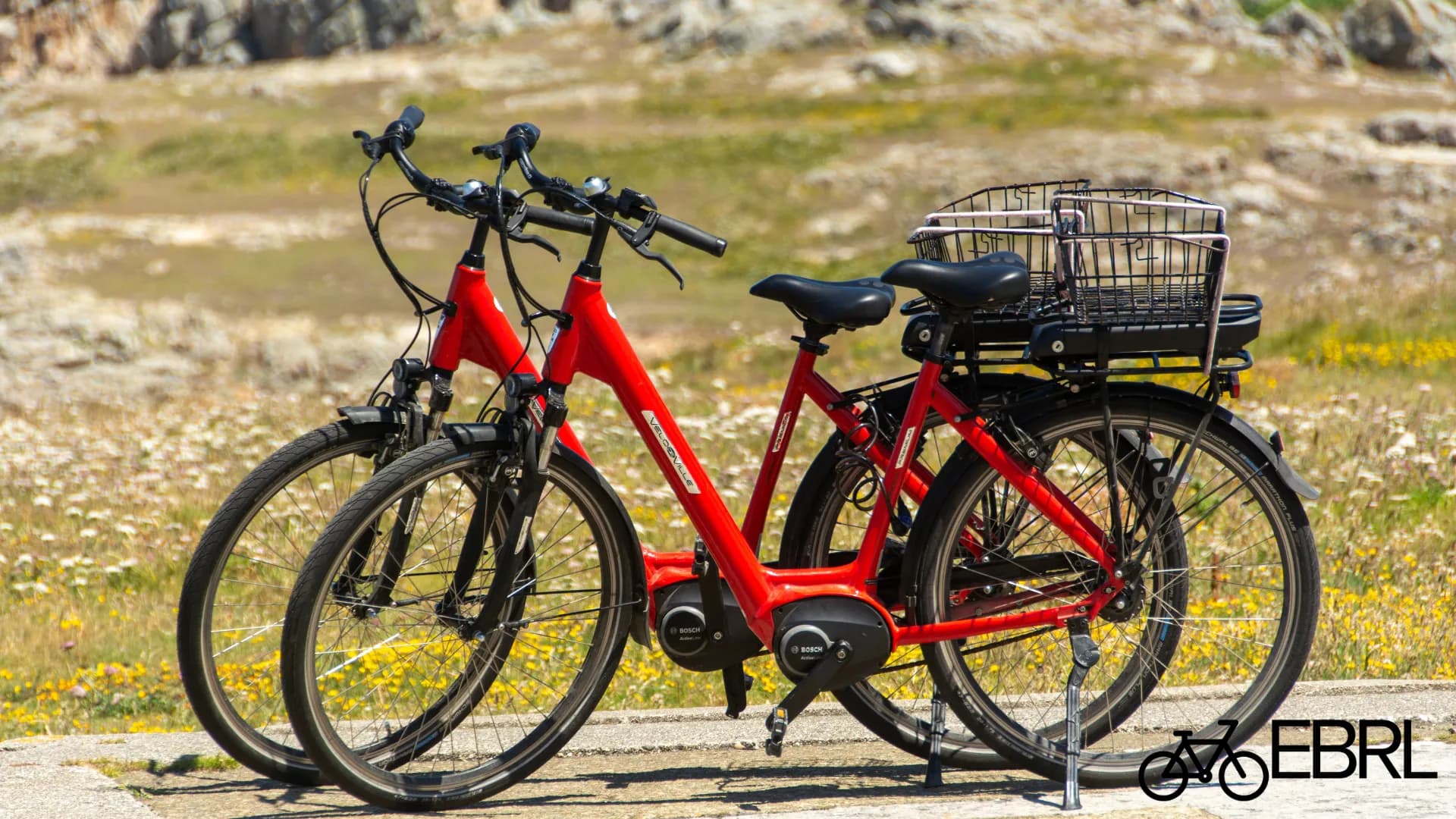
Now the part people skip past too quickly.
Legality varies more than you'd think. In most US states, e-bikes are classified by wattage and top speed (Class 1, 2, or 3), and a poorly matched conversion kit can push your bike outside those limits without you realizing it. Ride an unclassified, overpowered setup on a bike path, and you could be looking at fines or your bike getting confiscated.
Battery quality is inconsistent. Cheap kits often ship with battery cells that don't match their advertised capacity, or worse, don't have proper safety certification. Battery fires from low-quality lithium packs aren't a hypothetical, they've made headlines more than once. UK OPSS data even ties a large share of e-bike fires to post-market conversions; we break down those odds in how likely an e-bike battery fire actually is.
Fit issues are common. Not every frame accepts a hub motor cleanly, and dropout width, brake type, and axle standards can all trip up an otherwise straightforward install.
Warranty voiding is basically guaranteed. Most bike manufacturers will void your frame warranty the moment you install aftermarket electrical components. If your bike is still under warranty, that's worth factoring into the decision.
Is Your Bike Frame Even Suitable for Conversion?
Before you buy anything, check a few things.
Steel and aluminum frames generally handle conversions fine. Carbon fiber frames are a different story. Carbon wasn't designed to absorb the vibration and torque a motor introduces, and drilling or clamping onto it can weaken the frame over time.
Disc brakes are strongly preferred over rim brakes once you add motor-assisted speed. Rim brakes just don't have the stopping power for the extra weight and velocity.
Also check your dropout spacing (the gap where the wheel attaches). Most hub motors are built for 100mm front and 135mm or 142mm rear spacing. If your bike is older or non-standard, you may need an adapter, or the kit simply won't fit.
Who Conversion Kits Make Sense For
Conversion kits make the most sense if you already own a solid bike you love, you're comfortable with basic mechanical work, and you're not in a rush. They're also a good fit for riders who want more control over their exact setup than a factory e-bike typically allows.
They make less sense if you're starting from scratch, your current bike is cheap or aging, or you want something plug-and-play with a manufacturer warranty backing you up. In that case, buying a dedicated e-bike is usually the less stressful path, even if the upfront number looks bigger. Prefer complete e-bikes worth buying instead? See our tested roundup.
Want the full numbers on what e-bikes actually cost to own? Check out our e-bike cost breakdown guide. And if you're unsure about the rules in your state, our electric bike legality guide covers it state by state.
Frequently Asked Questions
Is it cheaper to convert a bike than buy an e-bike?
Often, yes, especially if you already own a good frame. But once you factor in brake upgrades, a quality battery, and possible fit adapters, the gap narrows quite a bit.
Are DIY e-bike conversions street legal?
It depends on your state's e-bike classification rules. Sticking to Class 1 or Class 2 specs (750W or less, 20-28 mph top speed) keeps most conversions on the right side of the law, but you should check local regulations before riding on public roads or bike paths.
What tools do I need to install a conversion kit?
Most hub motor kits need basic tools: allen keys, a wrench set, wire cutters, and a torque wrench. Mid-drive kits sometimes require bottom bracket tools too. Nothing exotic, but plan for a few hours if it's your first time.
Will a conversion kit void my bike's warranty?
In almost every case, yes. Adding a motor, battery, and wiring counts as a modification, and most manufacturers won't cover frame issues after that. If your bike is new and still under warranty, weigh that loss against the savings.