How Likely Is an E-Bike Battery Fire, Really?
What are the real odds of an e-bike battery exploding? We break down UK OPSS and NYC FDNY fire data to show how rare incidents actually are.

You've probably seen the videos. A garage goes up in flames in seconds, or a shop window shatters from what looks like a small explosion, and the caption says "e-bike battery." It's the kind of footage that sticks with you, especially if you're about to spend a few hundred (or a few thousand) dollars on one.
So here's the question worth actually answering with numbers: what are your odds, as one person owning one e-bike, of ever dealing with a battery fire or explosion?
I went looking for the real data instead of relying on the usual "rare but serious" line you see everywhere. Turns out there's more to work with than most articles bother to dig up, and once you put the numbers next to the size of the market, the picture gets a lot less scary. For the broader safety picture, including charging habits and thermal runaway, see our look at whether electric bike batteries are dangerous.
Short Answer: Incidents Are Rare Relative to the Number of E-Bikes in Use
Here's the thing that gets lost in almost every article on this topic. Fire counts on their own mean nothing without a denominator.
There are roughly 300 million e-bikes in use worldwide, based on market estimates from a few years back, and that number has only grown since. In just the UK, sales have been running around 146,000 to 165,000 units a year recently, on top of everything already on the road. Against that backdrop, the actual number of reported fire incidents is small.
The UK's Office for Product Safety and Standards (OPSS) logged 211 fire notifications involving e-bikes and e-scooters across the whole of 2024. New York City, one of the most heavily scrutinized markets in the world for this exact issue because of its huge delivery-rider population, recorded 277 lithium-ion battery fires that same year. Both numbers sound alarming until you remember how many e-bikes and batteries are actually in daily use in those places.
Put simply: you are not statistically likely to experience a battery fire. You're more likely to have your bike stolen than to have it catch fire. But "unlikely" isn't the same as "zero," and where the actual risk concentrates matters a lot more than the headline number. That's what the rest of this is about.
What the Available Fire and Incident Data Actually Shows
Let's get into the actual sources, because this is where most articles just wave their hands.
UK OPSS data. The OPSS collects fire notifications on a voluntary basis from fire and rescue services across the UK, mostly submitted through the London Fire Brigade. In 2024, they received 211 notifications tied to e-bikes and e-scooters. Of those, batteries or generators were identified as the ignition source in 93% of cases. About two-thirds of these fires happened indoors, in homes.
One important caveat that OPSS itself flags: this is voluntary reporting. Not every fire service submits data, and the agency has said outright that these figures shouldn't be used to estimate a true national total or to compare regions. So the real number of incidents is almost certainly higher than 211. But even doubling or tripling it doesn't come close to changing the overall picture, because the base of e-bikes in use is in the millions.
New York City data. NYC's numbers are some of the most detailed available anywhere, largely because of how bad things got there in 2022 and 2023. In 2021, the city logged 104 lithium-ion battery fires. By 2023, that had climbed to 268 fires, 18 deaths, and 150 injuries, driven heavily by the explosion in food delivery e-bikes and the uncertified batteries many riders were using to keep up with demand.
Then something changed. New York passed Local Law 39 in 2023, requiring e-mobility devices sold or leased in the city to meet UL 2849, UL 2272, and UL 2271 certification standards, the main safety certifications for e-bike electrical systems and batteries. The results are honestly one of the clearest before-and-after safety datasets you'll find in consumer product regulation. Deaths dropped from 18 in 2023 to 6 in 2024, a 67% reduction, even as total incident counts stayed roughly flat (277 fires in 2024 versus 268 in 2023). By 2025, annual deaths had fallen to just one.
That's not a coincidence. That's what happens when you force certification standards into a market that had been flooded with cheap, unregulated batteries.
What this tells us. Fire counts alone don't capture the real story. Severity does. NYC had almost the same number of fires in 2024 as 2023, but a fraction of the deaths, because the batteries involved were increasingly certified, properly manufactured products instead of whatever came cheapest online. That distinction is the single most useful thing the data gives us, and it leads straight into the next section.
Certified vs. Uncertified Batteries: Where the Risk Actually Concentrates
If there's one number worth remembering from all of this, it's the split between certified and uncertified batteries in fire incident data. Across UK, US, and Canadian reporting, the pattern holds up consistently: fires disproportionately trace back to batteries that never went through proper safety certification in the first place, not to complete, factory-built e-bikes from established brands.
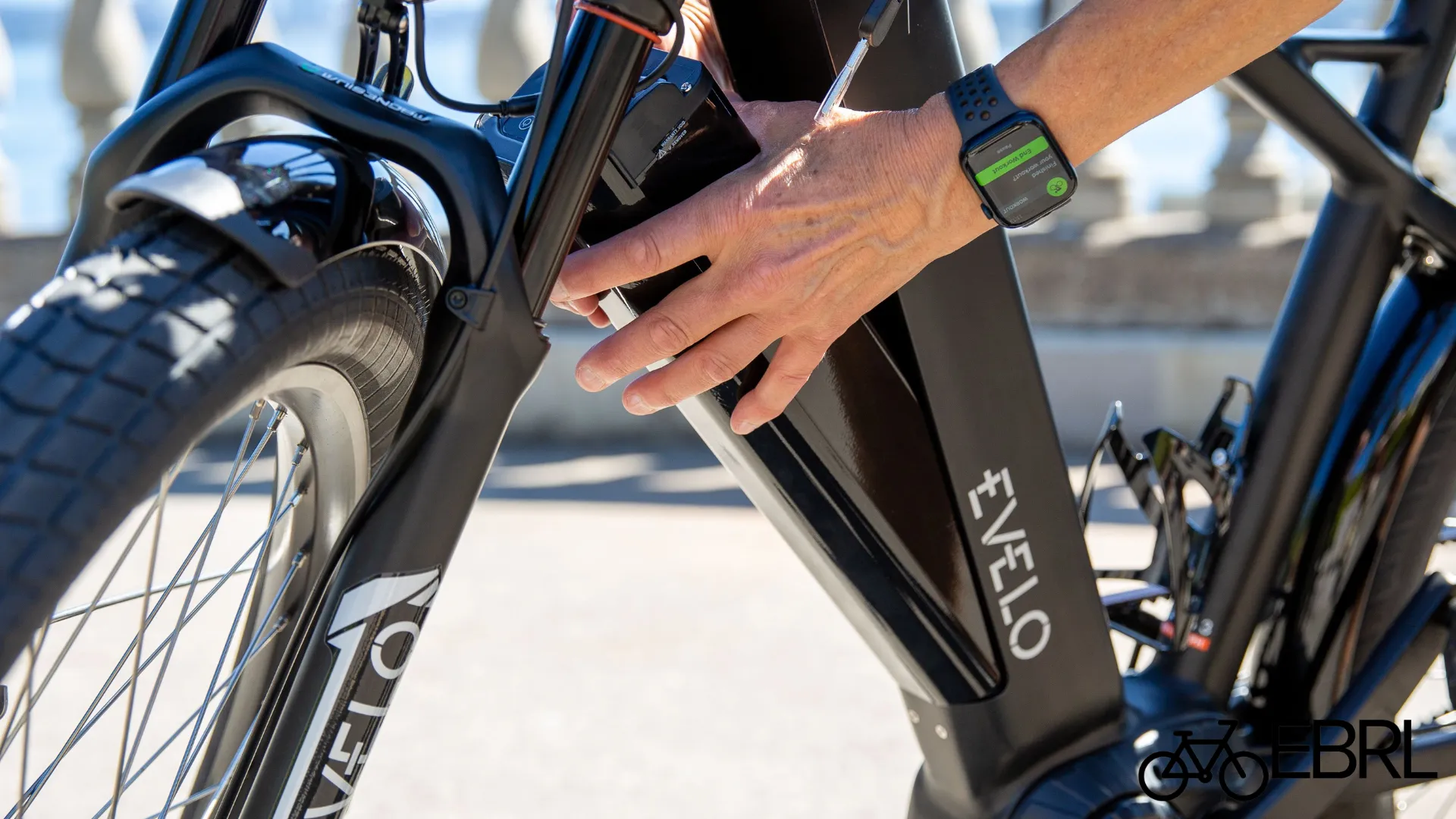
A properly certified battery, one that carries UL 2271 certification in the US or the equivalent CE/UKCA marking backed by real testing in the UK and EU, goes through thermal runaway testing, short-circuit testing, crush testing, and overcharge protection testing before it's allowed on shelves. These aren't just stickers. They represent actual engineering safeguards, like battery management systems that cut power if cells overheat, and physical separators inside the cell designed to contain a fault before it spreads.
Uncertified batteries skip some or all of that. They're often cheaper, which is exactly why they end up in the hands of budget-conscious buyers and, especially, delivery riders replacing worn-out batteries on a tight schedule. The UK government's own December 2024 statutory guidance, issued specifically to address thermal runaway risk, exists because the data made this gap impossible to ignore.
If you're buying a folding e-bike from a recognized manufacturer with UL, UKCA, or CE certification on the battery specifically (not just the bike), you've already sidestepped the vast majority of the actual risk shown in the data. This is genuinely the single biggest lever you control as a buyer. Our most reliable e-bike brands ranking looks at which companies actually pay for those certifications and how they handle recalls.
Aftermarket Batteries and Conversion Kits: The Biggest Risk Factor
Here's a stat that deserves more attention than it usually gets. According to OPSS analysis of 2024 UK fire data, close to half of all e-bike fires were linked to post-market conversions, meaning a standard bike that someone converted into an e-bike using an aftermarket kit, rather than a bike that came from the factory as an electric model.
This matters because it changes what "e-bike fire risk" actually means in practice. It's not really about e-bikes as a category. It's concentrated heavily in a specific subset: DIY conversions, mismatched chargers, refurbished or reconditioned battery packs, and batteries bought from marketplaces with no real accountability for what's inside the cell.
Conversion kits carry extra risk for a few concrete reasons:
- The battery management system and the motor controller weren't engineered together, so protective cutoffs that work in an integrated system may not behave the same way
- Chargers are frequently mismatched to the battery's actual voltage and chemistry, which is one of the most common triggers for thermal runaway
- Installation quality varies wildly since it's often done at home or by small independent shops without formal training on high-voltage systems
- There's no manufacturer accountability chain if something goes wrong, unlike a complete bike from an established brand
None of this means conversions are automatically dangerous. Plenty of people run them safely for years. But if you're weighing a cheap conversion kit against a complete, certified folding e-bike at a similar price point, the data makes a pretty strong case for the latter. We break down cost versus risk in are electric bike conversion kits worth it.
How Folding E-Bikes Specifically Compare
This is the part most general e-bike safety articles skip entirely, and it's worth addressing directly since you're likely reading this because you're considering a folding model specifically.
Folding e-bikes don't show up in the incident data as a distinct, elevated-risk category. The OPSS and FDNY datasets group e-bikes together regardless of frame type, so there's no official breakdown showing folding models catch fire at a higher rate than standard e-bikes. That's genuinely reassuring.
That said, there are a couple of practical differences worth knowing about, even if they don't show up as statistically distinct risk factors:
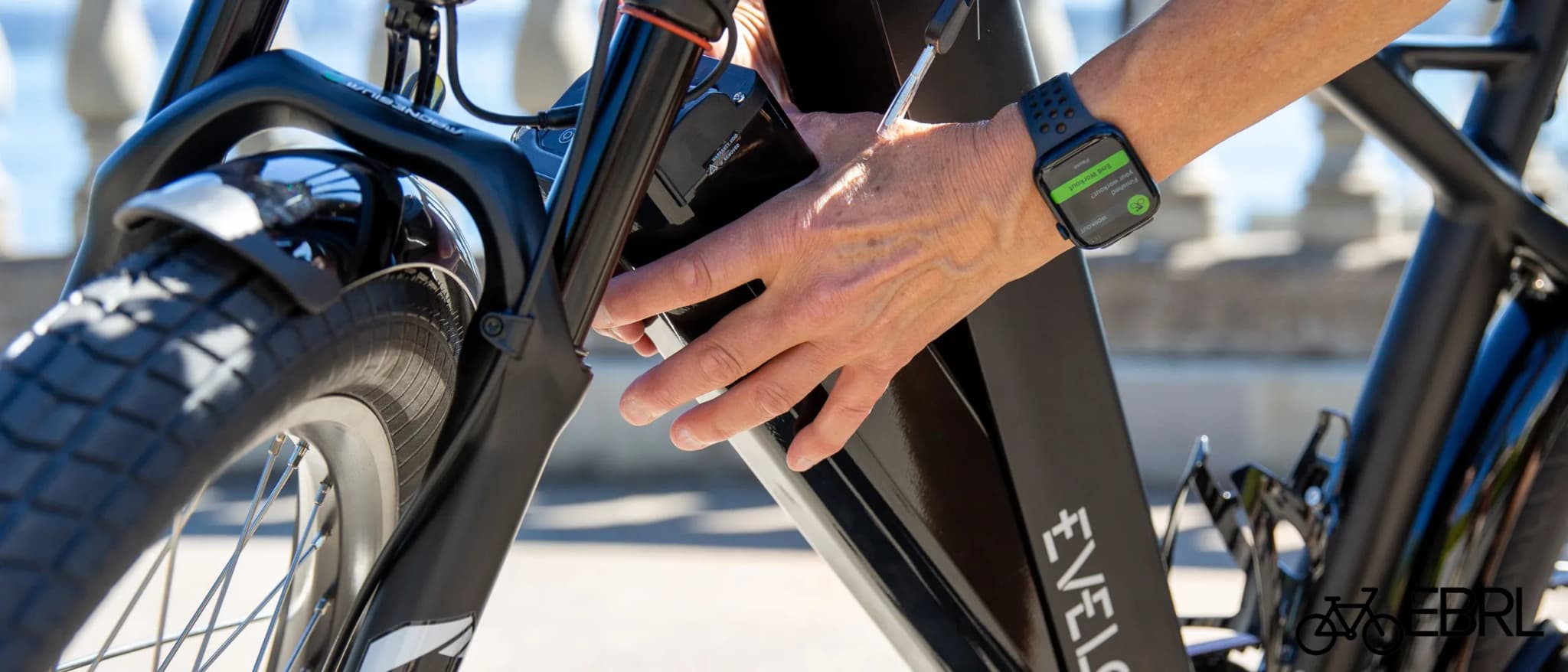
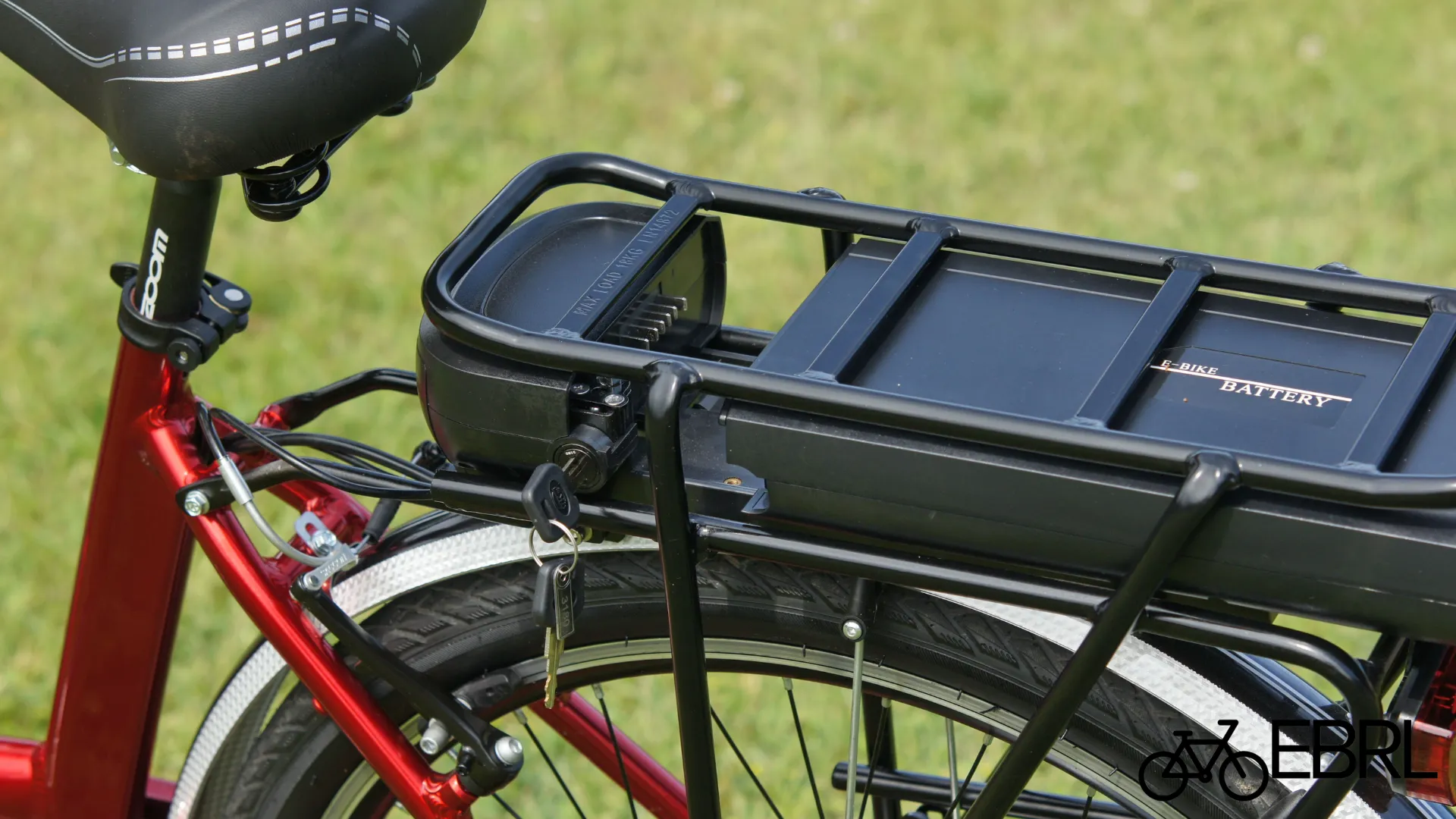
Battery placement and impact exposure. Folding e-bikes typically mount the battery lower on the frame, sometimes integrated into the downtube, partly for weight distribution and partly to keep the folded package compact. This means the battery sits closer to where the frame hinges fold and where the bike gets handled most, picked up, carried up stairs, tossed in a car trunk, leaned against things in transit. More physical handling means more opportunity for the kind of impact damage (drops, crush, deep scratches into the casing) that can compromise a battery's internal structure over time.
More frequent handling in general. The entire appeal of a folding e-bike is portability, which means it gets folded, unfolded, carried, and stored differently than a standard bike that mostly just leans against a wall. That's not a flaw, it's the whole point of the design, but it does mean the battery and its housing take more day-to-day physical stress than a bike that never moves once it's parked.
Neither of these translates into elevated fire risk in the actual data. They're just practical reasons to buy from a manufacturer that's engineered the battery housing and mounting specifically for a folding frame, rather than bolting a generic battery pack onto a hinge design that wasn't built around it. Established folding e-bike brands account for this in their engineering. Cheap, unbranded folders sourced from marketplace listings often don't.
How to Keep Your Personal Risk Low
Given everything above, here's what actually moves the needle if you want to keep your own odds as low as they can realistically be.
Buy a complete, certified e-bike rather than a conversion kit. This is the single biggest factor in the data. Look for UL 2849 (electrical system), UL 2271 (battery), or the UK/EU equivalents on the actual battery, not just general product marketing.
Only use the charger that came with your bike. Mismatched voltage or amperage between charger and battery is one of the most repeatedly cited triggers in fire investigations. A universal or third-party charger that "should work" is exactly the kind of shortcut the data warns against. Our home charging guide covers how to do this safely without frying the pack.
Don't charge overnight or unattended if you can help it. A large share of serious incidents, especially the fatal ones, happened while people were asleep or away and couldn't respond to early warning signs like smoke or unusual heat.
Avoid charging in escape routes. OPSS data on UK incidents showed a meaningful share of fires start in hallways, near front doors, or in other spots that would block an exit if things went wrong. Charge somewhere you could get past safely if needed.
Inspect your battery periodically. Swelling, a chemical or sweet smell, unusual heat during normal use, or a noticeable drop in range are all early warning signs worth taking seriously. A battery that's been dropped or crushed should be checked before it's charged again, not just visually but by the manufacturer or a qualified shop. If range is already dropping, whether the pack can be repaired is the next question.
Be cautious with secondhand or refurbished batteries. Reconditioned packs have shown up repeatedly in incident data because you often can't verify what's inside or how the cells were handled before reassembly.
Register your product and watch for recalls. Since 2022, OPSS enforcement alone has led to 21 product recalls tied to e-bike and e-scooter batteries. Registering your bike means you'll actually hear about it if yours is affected.
None of this requires anxiety about riding or owning an e-bike. It's really just a short list of habits, and once they're routine, you've addressed the overwhelming majority of what shows up in the incident data.
If you're still shopping, our foldable electric bike buying guide covers how to match a certified battery to a portable frame, and the 2026 folding e-bike picks list models that already clear that bar. If you live in an apartment, our indoor charging and storage guide covers placement, overnight charging, and landlord rules.
Frequently Asked Questions
Are lithium batteries in e-bikes more dangerous than phone batteries?
Not fundamentally, they use similar lithium-ion chemistry. The difference is scale and power density. An e-bike battery holds far more energy than a phone battery, so if something does go wrong, the resulting fire is bigger and harder to control. The chemistry risk per cell is comparable, but the consequences of a failure are more serious simply because there's more energy stored in the pack.
Is my risk higher with a folding e-bike?
The data doesn't show folding e-bikes as a distinct higher-risk category compared to standard e-bikes. The main practical difference is that folding models get handled and moved more often, which is a reason to buy from a manufacturer who's engineered the battery housing for that kind of use, rather than a sign that folding bikes are inherently riskier.
Does battery age increase fire risk?
Yes, generally. Batteries degrade with charge cycles, and older cells are more prone to internal faults, particularly if they've also experienced physical damage or repeated deep discharges over the years. Most manufacturers and fire safety guidance suggest paying closer attention to batteries beyond the three-year mark, especially watching for swelling, reduced range, or unusual heat.