The Need for Speed: A Real Talk Guide to Fast E-Bikes in 2026
Curious what electric bike is the fastest? Here's what's actually street legal, what's not, and how to buy speed without buying a ticket.

So you want the fastest electric bike money can buy. Fair enough. But here's the thing nobody tells you upfront: "fastest" splits into two completely different conversations depending on whether you plan to ride on a public road or not.
One path gets you a bike you can legally ride to work tomorrow. The other gets you a machine that can outrun a scooter but might also get you a fine, or worse, an insurance nightmare, if you take it downtown.
Let's sort out which is which.
Fastest Street-Legal E-Bikes (Class 3, 28 MPH)
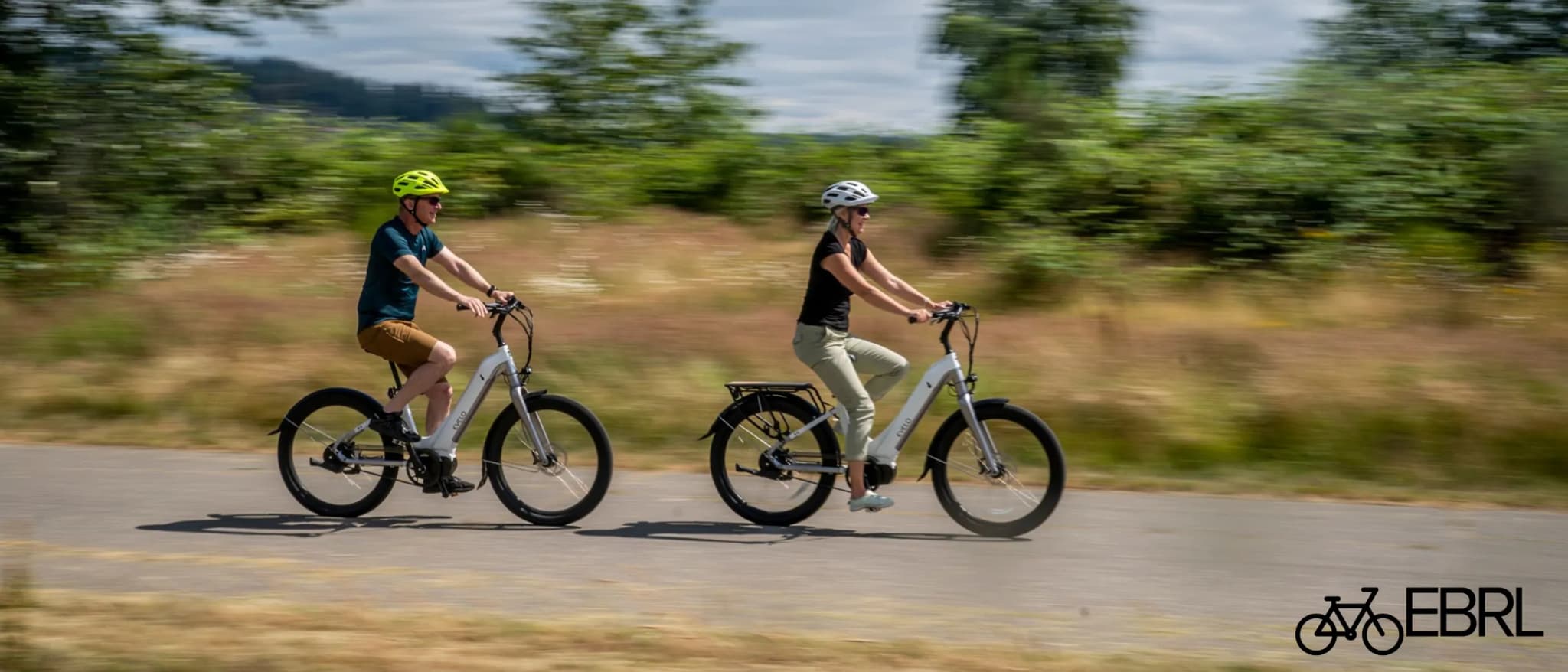
If you want speed and you want to stay on the right side of the law, you're shopping in the Class 3 category. These bikes cap out at 28 mph under pedal assist, and that ceiling is baked into federal and most state e-bike definitions. No amount of shopping around changes that number.
What does change is how a bike gets to 28 mph and how it feels once it's there. This is where torque sensors earn their keep. A cadence-sensor bike (the kind that just detects that your pedals are turning) tends to deliver power in a lurchy, delayed way. A torque sensor reads how hard you're actually pushing and matches the motor output to it, so the ride feels smoother and honestly, faster, even at the same top speed.
Battery size matters here too, and not just for range. A bigger battery pack can sustain higher current draw, which means the motor doesn't sag when you're holding 28 mph up a slight grade. Look for bikes running 700Wh or larger packs paired with a 750W motor if sustained speed on rolling terrain matters to you.
A few things worth checking before you buy:
- Dual hall-effect sensors for reliable throttle response
- Hydraulic disc brakes (mechanical brakes struggle to scrub speed at 28 mph)
- A weight rating that comfortably covers you plus any cargo
Class 3 bikes are also the only category legally allowed on most bike lanes and shoulders in many states, so if your daily ride includes any road time, this is genuinely your fastest practical option, not just the fastest one on paper.
Fastest Off-Road and Moped-Style E-Bikes (40+ MPH)
Now for the fun stuff. Step outside the Class 1-2-3 system entirely and you land in a different world: off-road and moped-style e-bikes built around motors far beyond 750 watts, sometimes into the thousands.
These aren't classified as bicycles under most state laws once they cross certain power or speed thresholds. Some manufacturers build extreme platforms pushing 8,000 to 10,000 watts, capable of speeds over 60 mph on private land. That's motorcycle territory, and honestly, it's marketed that way. These machines exist for off-road trails, private property, or closed-course riding, not your morning commute.
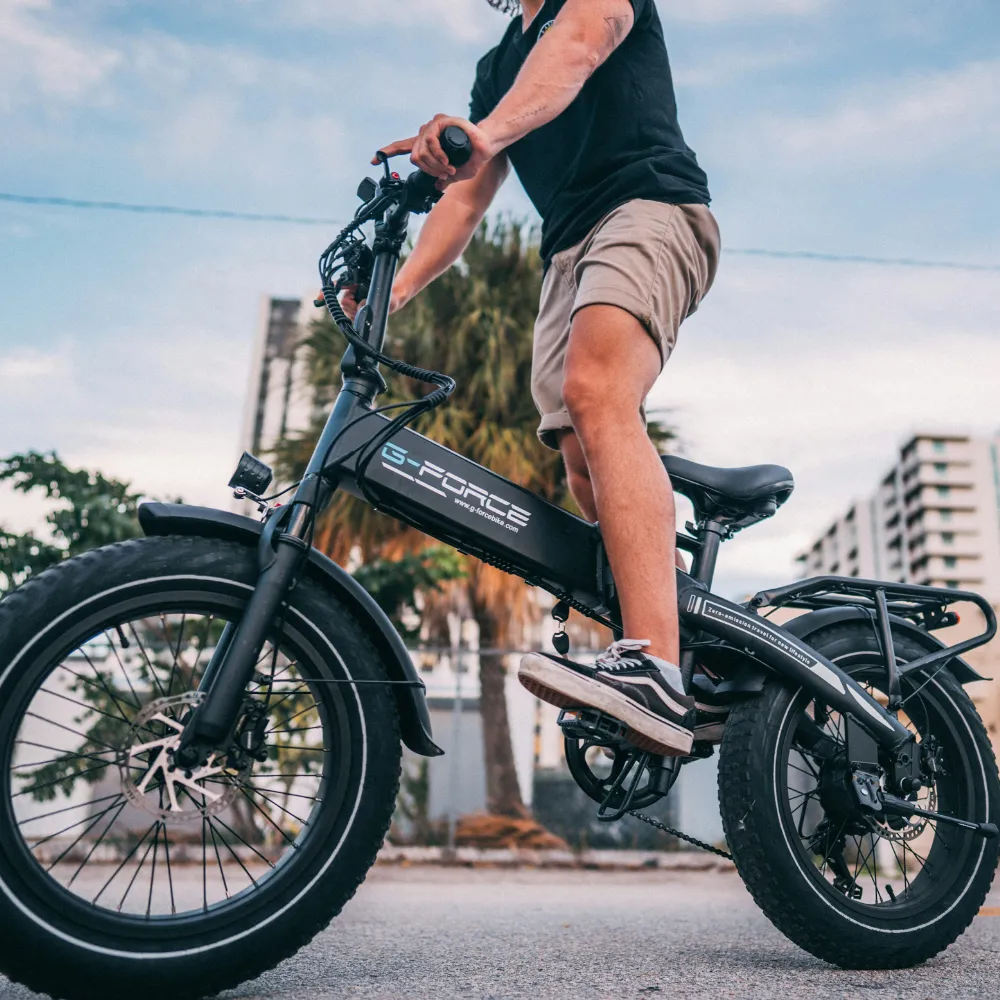
A step down from that, you'll find moped-style e-bikes in the 40 to 50 mph range. They usually have full suspension, motorcycle-style seating, throttle-only operation, and beefy tires built to handle the extra mass and heat these motors generate. Some riders use them on private land or as off-road toys. Others register them as mopeds or low-speed motorcycles where local law allows it, which comes with insurance, licensing, and registration requirements that a Class 3 e-bike simply doesn't need.
Before you get excited about the numbers, understand what you're actually buying. These bikes are heavier, harder to stop, and unforgiving if something goes wrong at speed. That's not a reason to avoid them. It's a reason to respect them.
What "Fastest" Really Means: Top Speed vs. Acceleration
Here's something the spec sheets rarely mention: top speed and acceleration are two completely different engineering problems, and most riders actually care more about the second one.
Think about your average ride. You're not cruising at max speed for miles on end. You're stopping at lights, merging into gaps in traffic, and pulling away from stop signs. In that world, a bike that hits 20 mph in three seconds feels faster than one that eventually reaches 28 mph but takes its sweet time getting there.
Torque, not top speed, is what determines that punch off the line. A bike with a smaller motor but strong low-end torque can genuinely feel quicker in city riding than a bigger motor with a lazy throttle curve. If you're comparing two bikes with similar top speeds, ask about torque figures (measured in Newton-meters) and, if you can find it, a 0-20 mph time.
Sustained speed matters too, especially on hills. A bike that can technically hit 28 mph on flat ground but drops to 15 mph on a 6% grade isn't giving you the speed its spec sheet promises. Real-world testing and rider reviews usually tell you more here than the manufacturer's marketing page ever will.
Legal Considerations Before Buying a High-Speed E-Bike
This part matters more than any spec sheet. E-bike law in the US runs on a three-class system that most states have adopted, but not all, and local rules can layer on top of state ones.
Class 1 and Class 2 bikes cap at 20 mph. Class 3 caps at 28 mph and often comes with a minimum age requirement and, in some states, a helmet mandate. Once you go beyond 28 mph or beyond 750 watts of continuous power, you've usually left "bicycle" territory in the eyes of the law, whether the seller calls it an e-bike or not.
That reclassification isn't just semantics. It can mean you need a driver's license, registration, insurance, and a helmet that meets DOT standards, not bike helmet standards. Riding an unregistered 45 mph "e-bike" on a public street in a state that classifies it as a moped or motorcycle can get you a ticket, impounded, or worse if you're in an accident and your insurance won't touch it.
Before buying anything north of Class 3 speeds, check your specific state's vehicle code, not just what the product listing says. Rules vary enough between states that a bike perfectly legal in one place can be a liability in another.
Safety Gear and Skills Needed for High-Speed Riding
Speed changes everything about how a bike needs to be ridden, and gear that's fine at 15 mph stops being fine fast once you're pushing 28 or higher.
At minimum, a full-face or DOT-rated helmet makes sense once you're regularly riding above 20 mph. Add gloves, since your reaction time to catch a fall shrinks as speed goes up. Eye protection matters more than people expect too, since debris at 28 mph hits a lot harder than at 12.
Braking skill deserves real practice, not just trust in the hardware. Hydraulic disc brakes are powerful enough to lock a wheel if you grab them hard at speed, so spend time in an empty parking lot learning how your specific bike responds before you're relying on it in traffic. Weight distribution matters here too. Leaning back slightly and covering both brakes evenly helps you stop straight instead of pitching forward.
If you're new to e-bikes generally, it's worth building confidence on a Class 1 or 2 bike first before jumping straight to Class 3 speeds. The extra 8 to 10 mph might not sound like much, but it changes your stopping distance and reaction window more than most new riders expect.
Want to understand assisted speed limits in more depth? Check out our guide on how fast e-bikes actually go and our full breakdown of e-bike laws by state. Ready to compare Class 3 options we tested? Start with the main roundup.
Frequently Asked Questions
What's the fastest legal e-bike you can buy?
Under US federal and most state definitions, that's a Class 3 e-bike, capped at 28 mph under pedal assist. Anything faster typically falls outside the legal bicycle category.
Do fast e-bikes require a license?
Class 1, 2, and 3 e-bikes generally don't require a license. Once a bike exceeds Class 3 limits in power or speed, many states reclassify it as a moped or motorcycle, which usually does require licensing and registration.
Are high-speed e-bikes safe for beginners?
Not really, at least not right away. Building basic bike handling and braking skills on a slower Class 1 or 2 bike first makes the jump to higher speeds much safer.
Can you legally modify an e-bike to go faster?
In most states, no. Removing speed limiters or upgrading motors beyond Class 3 limits can void your bike's legal status as a bicycle, along with any manufacturer warranty.