Electric Bike Speed Limits: What Every Class 1, 2, and 3 Rider Should Know
How fast do electric bikes actually go? Here's the real breakdown by class, motor wattage, and country, plus whether a faster ebike is worth it.

So you're wondering how fast an electric bike can actually go. Good question, and the honest answer is: it depends way more on your bike's classification than most sellers will tell you upfront.
I've ridden everything from a sluggish 15 mph commuter to a moped-style beast that hit 34 mph on a flat stretch of road. The difference wasn't luck. It came down to motor size, class rating, and a little thing called a speed limiter that most riders don't even know exists until they run into it.
Let's break down what actually determines your top speed, what's legal where you live, and whether chasing more mph is even the right move for you.
Speed By Class (Class 1, 2, 3, and Off-Road/Moped-Style)
In the US, ebikes fall into three main classes, and the class is really just a speed and throttle rulebook in disguise.
Class 1 bikes are pedal-assist only, no throttle, and they cap out at 20 mph. This is the most common category you'll see at bike shops, and honestly, for most commuters it's plenty.
Class 2 bikes also top out at 20 mph, but they add a throttle. You can twist and go without pedaling a single stroke, which is great for stop-and-go city riding or hauling cargo up a hill.
Class 3 bikes push the limit to 28 mph with pedal assist (throttle-only Class 3s are rare and often restricted). These are popular with longer-distance commuters who want to actually keep pace with traffic instead of hugging the curb.
Then there's the wild card: off-road and moped-style ebikes. These aren't held to the same three-class system because they're not always meant for public roads in the first place. Some hit 30, 40, even 60 mph, but they usually need registration, insurance, or a license depending on where you live. More on that in a minute.
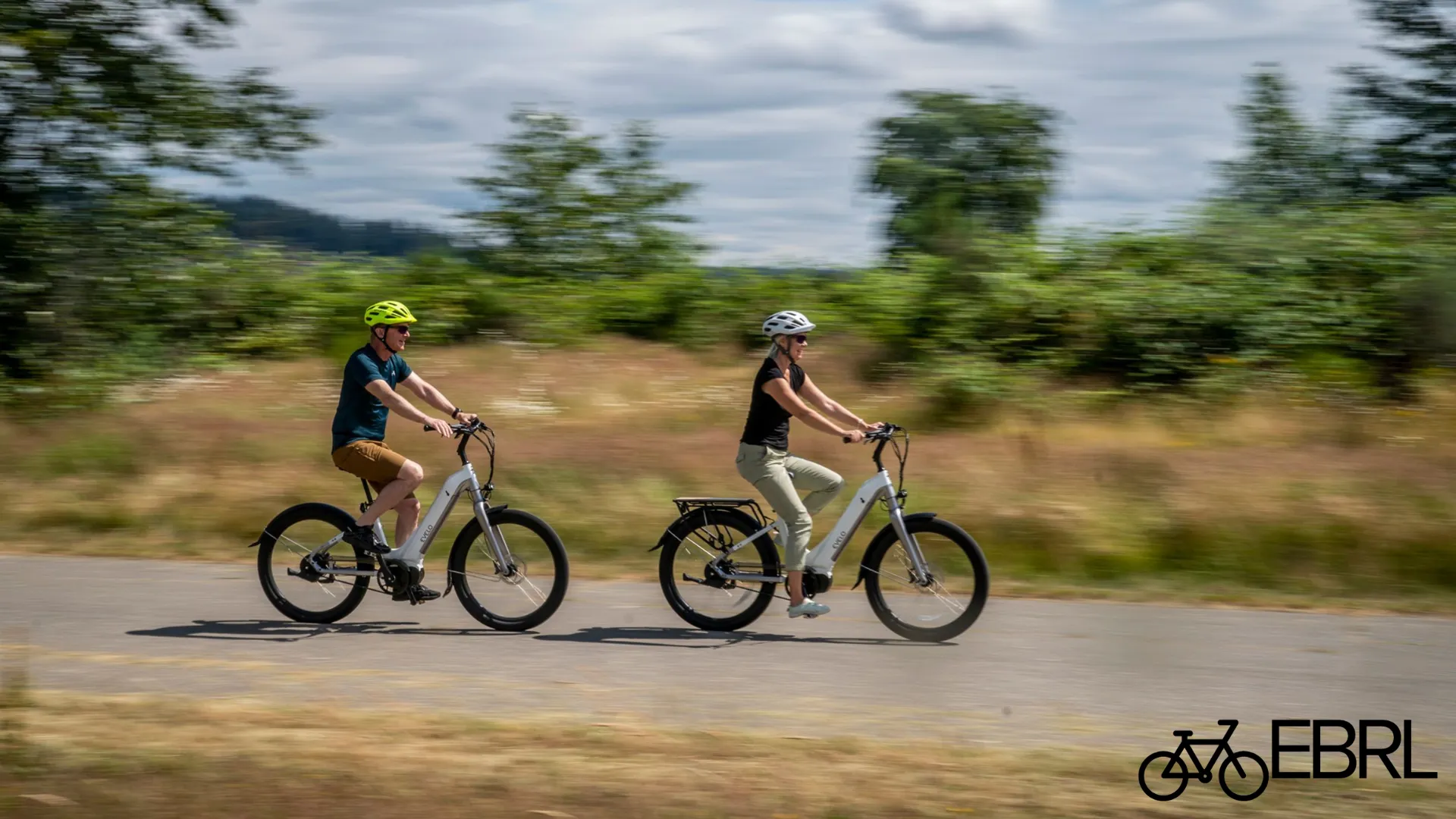
What Determines Top Speed
Class rating sets the legal ceiling, but a handful of physical factors decide whether you actually reach it.
Motor wattage is the big one. A 250W motor (common in Europe) feels noticeably weaker than a 750W motor (common in US Class 2 and 3 bikes), especially on hills. Watts aren't a direct speed measurement, but more wattage generally means more power to maintain speed against resistance.
Battery voltage matters just as much. A 36V system and a 48V system with the same motor will behave differently. Higher voltage generally pushes higher top-end speed, assuming the controller and motor are built to handle it.
Gearing affects how efficiently that power translates into forward motion, especially on mid-drive bikes where you're shifting gears like a regular bicycle.
Rider weight and terrain are the wildcards nobody talks about enough. A 130-pound rider on flat pavement is going to hit top speed faster and hold it longer than a 220-pound rider grinding up a 6% grade. I've tested the same bike solo and loaded down with panniers, and the difference in sustained speed was close to 4 mph.
Can an Ebike Really Go 40 mph? 60 mph?
Yes, but not the ones sitting in your average bike shop.
Bikes that reach 40 mph typically fall into the Class 4 or "out of class" category (some states don't even have a Class 4 designation, which creates a legal gray zone). These usually run 1000W+ motors, often paired with throttles that work independent of pedaling, more like an electric moped than a bicycle.
For 60 mph, you're basically talking about an electric motorcycle wearing an ebike costume. Brands making these bikes usually market them as off-road or "not intended for public roads," which is a pretty clear signal that riding one on a public street could put you outside the law.
Here's the thing about speed limiters too. Most Class 1, 2, and 3 bikes ship with a software limiter that cuts power once you hit the class's max speed. Riders sometimes ask if it can be removed, and technically, yes, tools and firmware hacks exist for this. But doing so usually voids your warranty, can violate local ebike laws, and shifts liability entirely onto you if something goes wrong. I'd think twice before messing with it.
Legal Speed Limits By Region
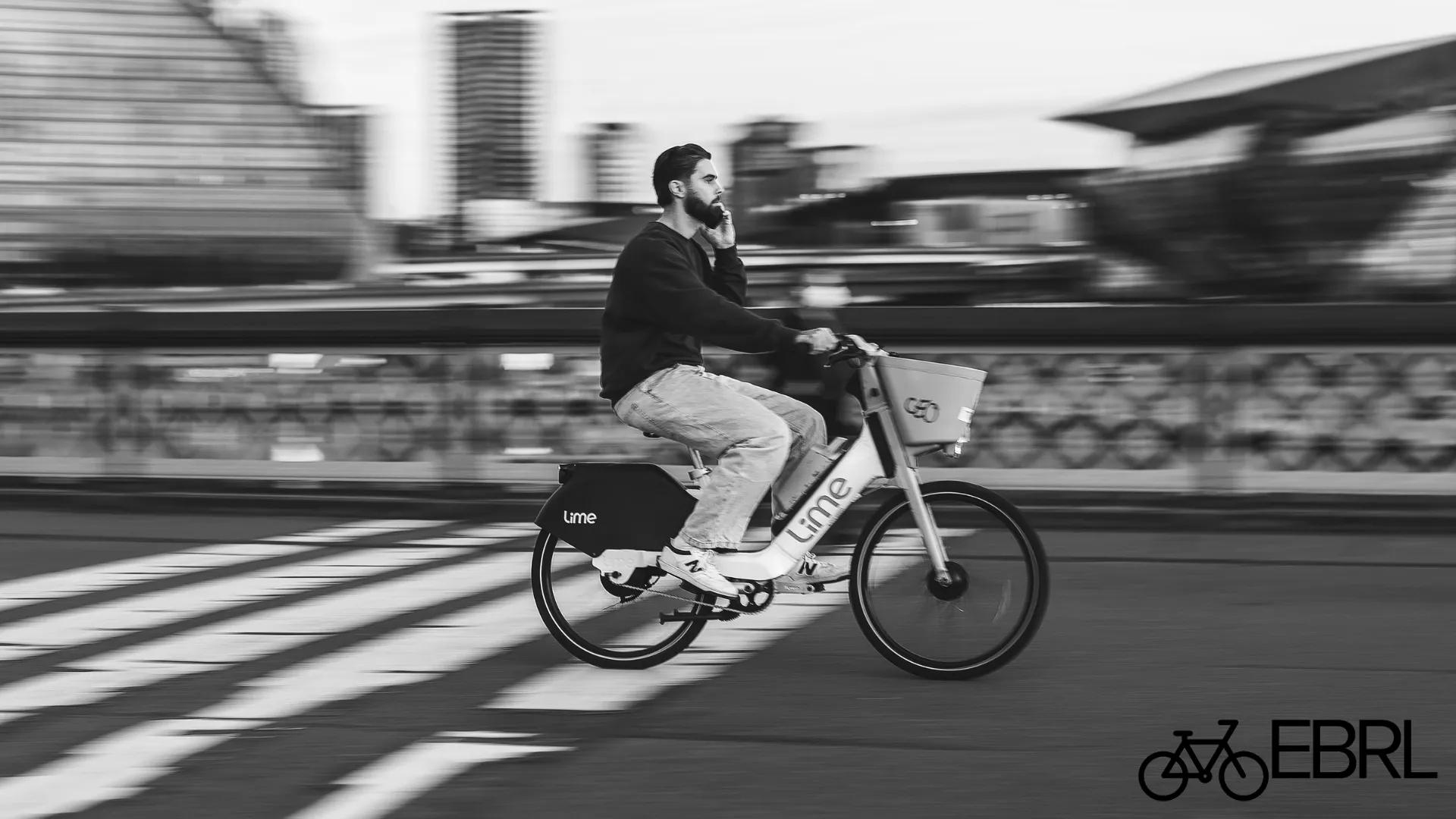
Speed laws for ebikes vary a lot more than people expect.
In the United States, most states follow the three-class system, capping assisted speed at 20 or 28 mph depending on class. A few states haven't adopted any formal ebike classification at all, which means local interpretation can vary.
In the European Union, the standard is stricter: 25 km/h (about 15.5 mph), and anything faster is legally classified as a moped or motorcycle, requiring registration and insurance.
The UK mirrors the EU's 15.5 mph limit under its EAPC (Electrically Assisted Pedal Cycle) rules.
Canada generally allows up to 32 km/h (about 20 mph), though rules shift by province.
If you're shopping for a faster bike, it's worth checking your specific state or country's current rules before you buy, since enforcement and definitions can change and vary by locality. For a deeper state-by-state and country-by-country breakdown, see our ebike legality guide.
Is a Faster Ebike Actually a Good Idea For You?
Here's where I'll push back a little on the "faster is better" instinct.
More speed sounds appealing until you're the one braking from 28 mph on a shared bike path full of pedestrians and dogs on long leashes. Higher speeds also mean shorter reaction windows, longer stopping distances, and in my experience, a noticeably higher toll on your battery per mile.
If you're commuting on roads with real traffic and need to keep pace with cars, a Class 3 bike genuinely makes sense. If you're mostly on bike paths, running errands, or just want a comfortable ride, a Class 1 or 2 bike will serve you better and keep you well within most local laws without a second thought.
The fastest bike on paper isn't always the best bike for your actual riding conditions. Match the speed to the ride you're doing, not the number on the spec sheet. Shopping Class 3 options we tested? Browse our tested best electric bikes roundup.
Frequently Asked Questions
Can you remove the speed limiter on an ebike?
Technically yes, through firmware changes or hardware mods, but it typically voids your warranty and can put you outside legal speed limits for your bike's class.
Is a 60 mph ebike legal?
Usually not for public roads. Bikes reaching that speed are generally classified as mopeds or motorcycles and require registration, insurance, and sometimes a license, depending on your state or country.
Does rider weight affect top speed?
Yes. Heavier riders and cargo loads reduce sustained top speed, especially on inclines, since the motor has to work harder against more resistance.
What's the fastest street-legal ebike?
Generally, that's a Class 3 ebike capped at 28 mph pedal-assist. Anything faster on public roads typically crosses into moped or motorcycle territory and needs separate registration.