Folding vs Non-Folding E-Bikes: How to Pick the Right One for Your Commute
Folding electric bike vs regular electric bike: real differences in ride quality, range, price, and storage to help you pick the right one.

So you've narrowed it down to an e-bike, but now you're stuck on a second decision nobody warns you about: folding or regular frame. It seems like a small detail. It isn't.
I've ridden both types on the same commute for weeks at a time, just to see what actually changes day to day. Spoiler: the ride feel, the range, and the price all shift more than you'd expect. This isn't one of those "it depends" articles that dodges the question. By the end, you'll know exactly which one fits your situation.
Comfort and ride quality differences
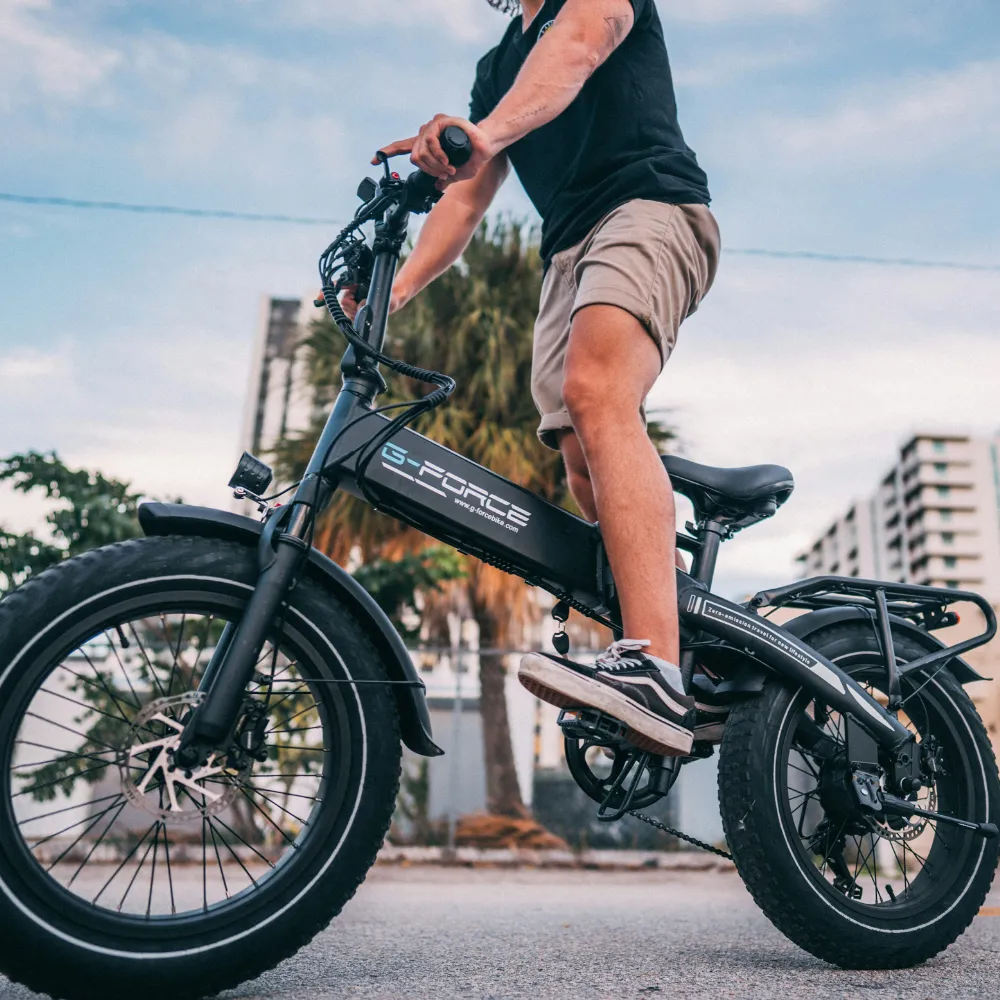
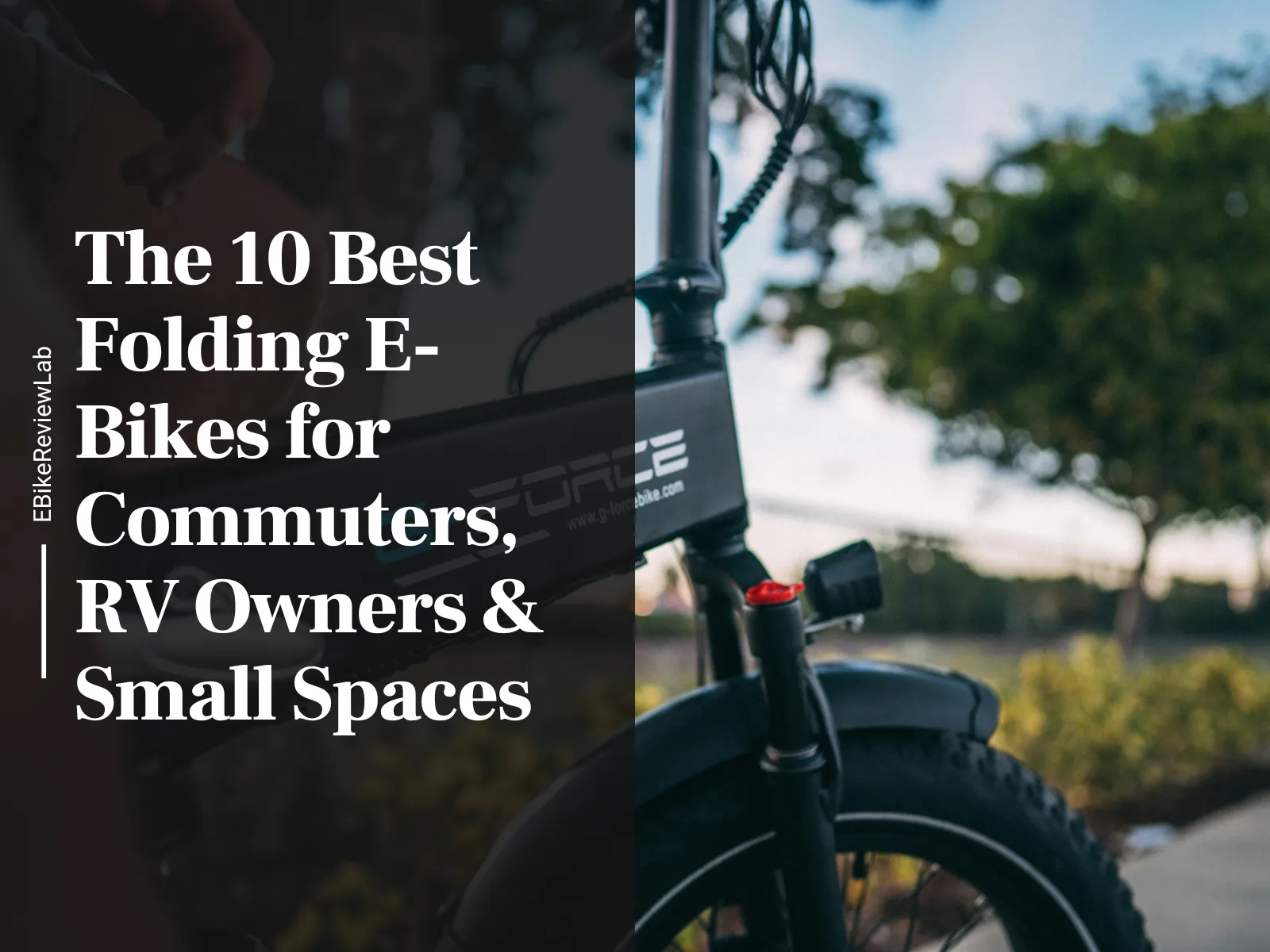
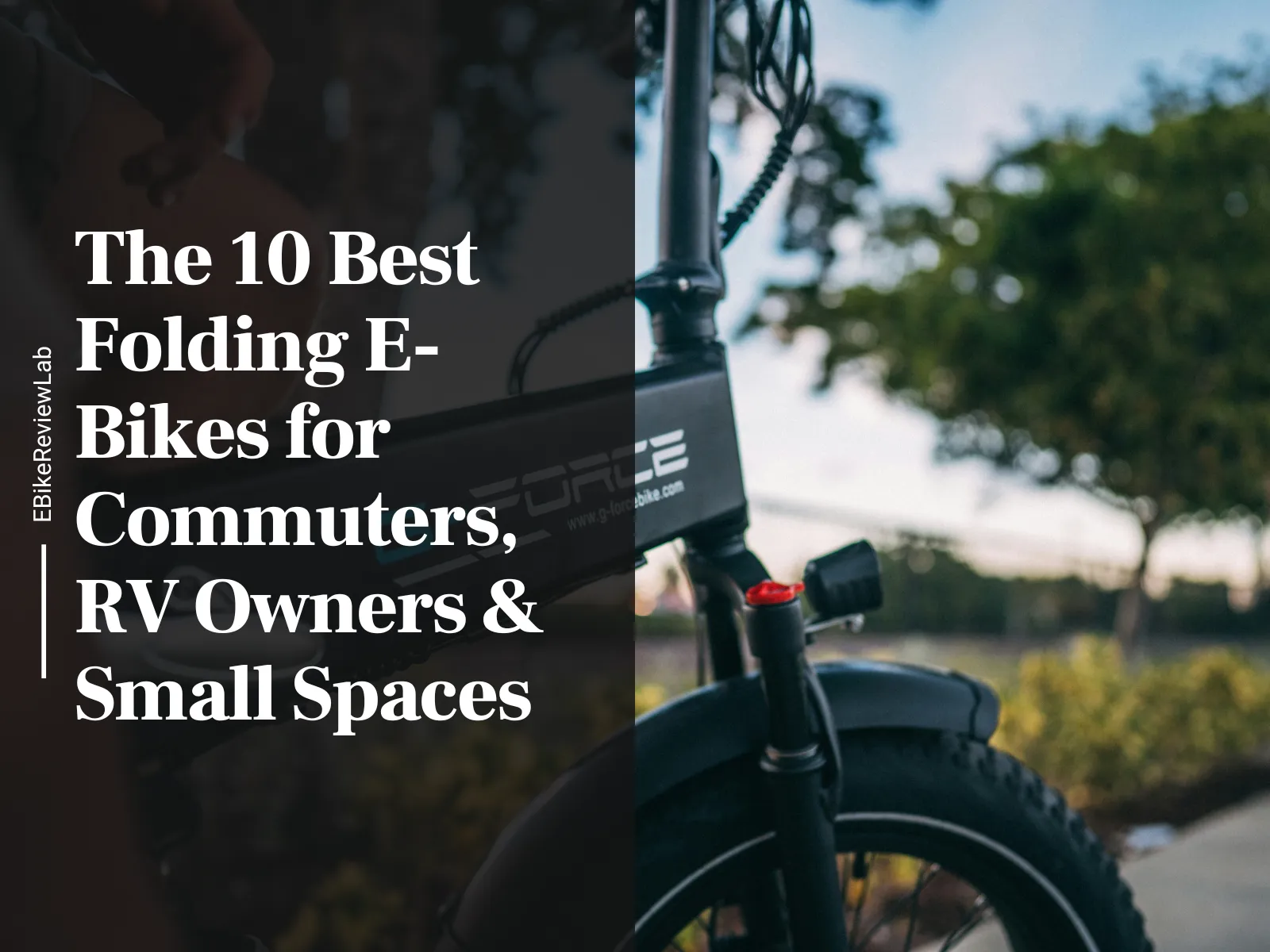
Here's the thing about folding e-bikes: that hinge in the middle of the frame has to go somewhere, and it usually means smaller wheels. Most folding electric bikes run 16 to 20 inch wheels, while regular e-bikes typically sit at 26 to 29 inches.
Smaller wheels feel twitchier. They respond faster to steering input, which is great in tight city traffic and terrible on a pothole-riddled road at 20 mph. You'll feel every crack in the pavement more directly on a folder. A regular e-bike, with its bigger wheels and longer wheelbase, rolls over rough surfaces the way a car with good suspension handles a speed bump. It just absorbs more of the hit.
Frame rigidity matters too. A folding frame needs a joint (sometimes two), and joints flex under load no matter how well they're engineered. Ride a folding e-bike hard through a corner and you'll notice a slight give that a welded, one-piece frame simply doesn't have. It's not dangerous on a well-made model, but it is noticeable, especially if you're coming from a traditional bike.
That said, I don't want to oversell the gap. Modern folding bikes from brands that actually know what they're doing (think Brompton-style engineering standards, not the $400 Amazon specials) have closed a lot of this distance. A quality folding e-bike with 20-inch wheels and a solid hinge lock rides better than plenty of budget regular e-bikes with cheap components. Wheel size is only one variable. Component quality still wins.
Who feels this more: taller riders and people doing longer daily distances tend to notice the ride quality gap more than someone doing a flat 2-mile hop to the train station.
Range and battery size differences
This is where the decision usually gets made for people, whether they realize it or not.
Folding e-bikes are built around portability first. That means smaller frames, which means less room for a battery. Most folding electric bikes carry batteries in the 300-500Wh range, giving you somewhere between 20 and 40 miles depending on terrain, rider weight, and how much you lean on the throttle versus pedal assist.
Regular e-bikes don't have that constraint. Many run 500-750Wh batteries standard, and some touring or cargo-focused models go well past 1000Wh. That translates to 40-80+ miles on a single charge for a lot of mid-range models.
Now, does this matter for your specific commute? Probably less than the spec sheet makes it look. If you're riding 5 miles each way, a 300Wh battery on a folding bike will handle a full week before needing a charge. The range gap only becomes a real problem if you're doing 15+ mile one-way trips, riding hilly terrain that drains the battery faster, or you just don't want to think about charging more than once a week.
One thing I've noticed in my own testing: cold weather cuts range noticeably on smaller batteries. A folding e-bike that gives you 30 miles in July might only manage 22 in January. Keep that in mind if you're in a climate with real winters.
Price differences at comparable spec levels
People assume folding bikes cost more because of the added engineering in the hinge mechanism. In practice, it's usually the opposite once you match spec-for-spec.
At the budget end (under $1,000), folding electric bikes and regular e-bikes land in roughly the same price bracket, but the folding bike almost always gets a smaller battery and weaker motor for that money. You're paying a portability tax.
At the mid-range ($1,200-$2,000), a regular e-bike will typically out-spec a folding bike at the same price. More torque, bigger battery, better brakes. The folding mechanism itself adds real manufacturing cost that has to come out of the budget somewhere else.
Where folding bikes actually compete well on value is the compact commuter segment specifically, brands like Lectric have built a strong reputation for packing solid components into a folding frame without the usual price penalty. If you shop that segment specifically rather than comparing across the whole market, the gap narrows a lot.
Bottom line on price: expect to pay roughly 10-20% more for a folding e-bike to match the battery size and motor power of a similarly priced regular e-bike. Whether that premium is worth it depends entirely on how much you need the fold.
Storage and transport scenarios where folding wins
This is the category where folding bikes stop being a compromise and start being the obviously correct answer.
If you live in an apartment with no dedicated bike storage, a folding e-bike that tucks into a closet or fits under a desk is a genuinely different experience than wrestling a full-size e-bike up three flights of stairs every night. I've talked to plenty of apartment dwellers who bought a regular e-bike first, hated the storage hassle, and switched to a folder within a year.
Commuters who combine biking with public transit are another clear case. Most transit systems have rules against full-size bikes during peak hours, but a folded e-bike that collapses to the size of a suitcase usually gets a pass. If your commute is bike-to-train-to-bike, a folding e-bike isn't just convenient, it might be the only legal option during rush hour.
Car owners who want to bring a bike along for trips face the same math. A folding e-bike fits in a trunk or hatchback without a bike rack. A regular e-bike usually needs a hitch rack, which means extra cost, extra installation, and one more thing that can go wrong on the highway.
Small living spaces, elevator-only buildings, boat or RV storage, office storage under a desk. Any scenario where square footage is the limiting factor points toward folding.
Scenarios where a regular e-bike is the better call
Flip the situation around and the regular e-bike pulls ahead fast.
Longer commutes benefit from bigger batteries and more comfortable geometry. If you're riding more than 8-10 miles each way, the extra range and smoother ride on a regular e-bike stop being a nice-to-have and start being a real quality-of-life difference.
Hilly routes favor regular e-bikes too, mostly because they tend to pack stronger motors and larger batteries that don't sag as hard under sustained climbing. A folding bike's smaller battery works harder on hills, which drains it faster and can shorten the motor's lifespan over time.
Heavier riders also tend to do better on regular frames. Folding e-bikes often have lower weight capacity limits (commonly 220-250 lbs) because of the stress the hinge puts on the frame. Regular e-bikes, especially ones built with reinforced frames, frequently support 300+ lbs without issue. If weight capacity is a concern, check the spec sheet closely before assuming a folder will work.
And if you've got secure, dedicated storage already, a garage, a shed, a bike room in your building, then you're paying for portability you'll never actually use. In that case, put the money into battery size and component quality on a regular e-bike instead.
Decision checklist
Run through these quickly and you'll probably land on an answer:
- Storage space is tight (apartment, no garage, shared building) → folding e-bike
- Commute includes a bus, train, or subway leg → folding e-bike
- One-way commute is under 8 miles on mostly flat ground → folding e-bike works fine
- One-way commute is 10+ miles or hilly → regular e-bike
- Rider weight is near or above 250 lbs → check specs carefully, lean toward regular e-bike
- You want to fit the bike in a car trunk for trips → folding e-bike
- You have secure storage already and want max range and power → regular e-bike
- Budget is tight and you want the most bike for the money → regular e-bike, spec for spec
If you're still torn after that list, honestly, that usually means either option would work for you. In that case, go ride both if you can. The feel of the smaller wheels is the one thing a spec sheet can't tell you.
Still deciding on the folding side of things? Check out our best electric folding bikes for model-by-model picks, or use our foldable electric bike buying guide if you want a checklist before you buy. Leaning toward a standard frame instead? Start with what electric bike should you buy, and for the lifestyle math on folders specifically, see are foldable electric bikes worth it.
Frequently Asked Questions
Is a folding e-bike slower than a regular one?
Not necessarily on paper. Plenty of folding e-bikes hit the same 20-28 mph top speeds as regular models, since that's more about motor wattage and local speed regulations than frame type. Where folders can feel slower is stability at higher speeds. Smaller wheels mean less momentum carrying you forward, so top speed can feel less settled even when the number on the display is identical.
Do folding e-bikes have less range?
Generally, yes. Smaller frames mean smaller batteries in most cases, so folding e-bikes commonly average 20-40 miles per charge versus 40-80+ miles on many regular e-bikes. There are exceptions, some premium folding models now pack larger batteries, but as a rule of thumb, expect less range from a folder.
Which is better for hills?
Regular e-bikes tend to handle hills better, mainly because they usually come with bigger batteries and, in many cases, stronger motors. A folding e-bike can still climb hills fine for occasional use, but sustained hill commuting will drain a smaller battery faster and put more strain on a less powerful motor over time.