What's Actually Happening Inside an E-Bike When You Pedal
Curious how an e-bike actually works? Here's a plain-English breakdown of the motor, battery, sensors, and throttle, plus a diagram of the full system.

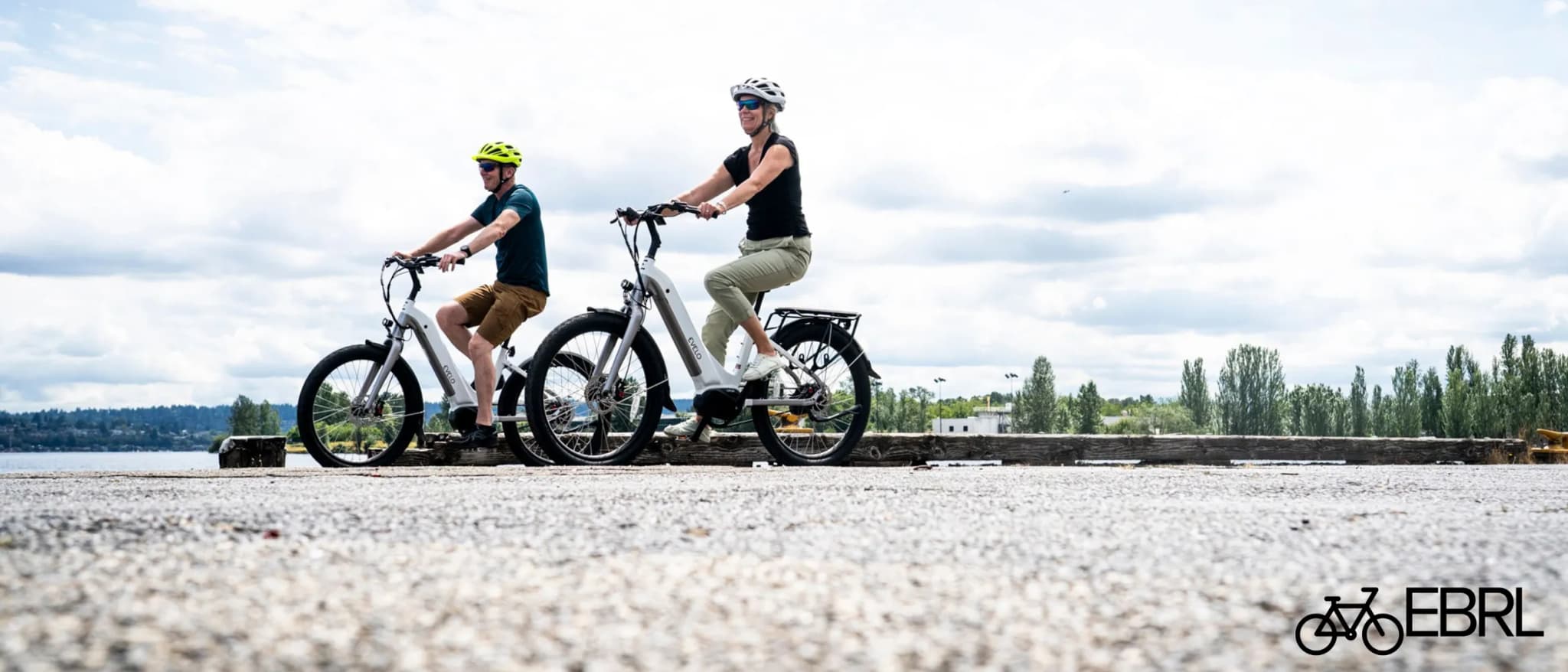
You've probably ridden a regular bike your whole life. Push pedal, wheel turns, you go. So the first time you throw a leg over an e-bike, it's a little disorienting. You push the pedal and... something else is helping. It feels like you got stronger overnight, or like someone's giving you a gentle shove from behind.
Here's the thing: there's nothing magic about it. Once you understand the handful of parts working together, an e-bike stops feeling like a mystery box and starts feeling like, well, a bike with a really good assistant built in.
Let's break down what's actually happening under the frame.
The Core Components
Every e-bike, no matter the brand or price, is built around five main parts.
The battery. This is the fuel tank. It's a lithium-ion pack, usually mounted on the down tube or rear rack, and it stores the energy that powers everything else. Most batteries hold somewhere between 400 and 750 watt-hours, though cargo bikes and high-range models can go well beyond that.
The motor. This is the muscle. It converts electrical energy from the battery into physical force that turns the wheel or drives the chain. There are two main types, and I'll get into the difference in a bit.
The controller. Think of this as the brain, or maybe more accurately, the referee. It's a small computer, usually tucked inside the frame or under the seat, that decides how much power to send to the motor and when. It's constantly reading input from sensors and making split-second decisions.
The sensor. This is what tells the controller "hey, the rider is pedaling" or "the rider just twisted the throttle." Without a sensor, the motor would have no idea when to turn on.
The display. Usually mounted on the handlebars, this is your window into all of it. Speed, battery percentage, assist level, sometimes even a trip odometer. Some e-bikes use a full color screen, others just a row of LED dots. Either way, it's how you talk to the system.
Put those five pieces together and you've got the full loop: battery feeds motor, sensor tells controller what's happening, controller decides how much power to send, display shows you the result.
Pedal-Assist vs Throttle: What's the Difference
This trips up a lot of new riders, so let's clear it up.
Pedal-assist means the motor only kicks in when you're pedaling. You do the work, and the motor multiplies your effort. Stop pedaling, and the assist stops too (with a slight delay). It feels like a tailwind that showed up right when you needed it.
Throttle works more like a scooter or motorcycle. Twist it or press it, and the motor moves the bike whether your legs are doing anything or not. No pedaling required.
A lot of e-bikes offer both, and honestly, that's the setup I'd recommend if you're shopping around. Pedal-assist for the actual ride, and throttle in your back pocket for things like starting from a dead stop on a hill or crossing a busy intersection without fumbling for momentum.
One thing worth knowing: e-bike classifications in the US are built around this distinction. Class 1 bikes are pedal-assist only, capped at 20 mph. Class 2 adds a throttle, also capped at 20 mph. Class 3 is pedal-assist up to 28 mph and may or may not include a throttle depending on the state. If you're curious how that affects legality on the road, our guide on are electric bikes street legal covers the class system in more detail.
How Pedal-Assist Sensors Detect Your Effort
So how does the bike actually know you're pedaling? Two different technologies handle this, and they behave pretty differently on the road.
Cadence sensors are the simpler, cheaper option. A magnet on the crank spins past a sensor, and the system just checks whether the pedals are turning. It doesn't care how hard you're pushing, only that you're moving them. This means the assist tends to kick in and cut out in noticeable steps. Fine for casual commuting, a little clunky if you're chasing a smooth, natural ride feel.
Torque sensors are the more sophisticated option, and honestly, the one that makes a bike feel less like "electric" and more like "really strong legs." These measure the actual force you're applying to the pedals, often dozens of times per second, and scale the motor's output to match. Push harder going uphill, get more assist. Ease off on a flat stretch, get less. It's proportional, not on-or-off.
If you've ever ridden a torque-sensor e-bike and then hopped on a cadence-sensor one, you'll feel the difference immediately. Torque sensors cost more to manufacture, which is part of why they usually show up on higher-end bikes.
How the Motor Delivers Power: Hub Motor vs Mid-Drive
This is the other big fork in e-bike design, and it affects how the bike rides more than almost anything else.
Hub motors sit inside the wheel itself, either the front or (more commonly) the rear. They're simpler, cheaper to build, and easier to maintain since they don't interact with the bike's gears at all. The tradeoff is that a hub motor delivers a flatter, more constant kind of power. It's not reading your gear or cadence, it's just spinning the wheel.
Mid-drive motors sit at the crank, right where your pedals connect to the frame, and they push power directly through the bike's existing gears. This means the motor's output scales with whatever gear you're in, which translates to noticeably better hill-climbing and a more balanced feel since the weight sits low and central rather than out at the wheel. Most mid-drive bikes also pair with torque sensors, which is part of why they tend to feel so natural.
Hub motors dominate the budget and commuter end of the market. Mid-drives show up more on mountain bikes and premium models where climbing performance actually matters. If steep terrain is part of your regular ride, mid-drive with a torque sensor is usually the setup that handles grades better.
How Charging and Range Actually Work
Charging an e-bike battery is about as complicated as charging a laptop. Most batteries are removable, so you can pull them off the frame and plug them in at your desk, or charge them right on the bike if you've got an outlet nearby. A full charge typically takes somewhere between 3 and 6 hours, depending on battery size and charger wattage.
Range is where things get less predictable, because it depends on a pile of variables: your weight, the terrain, how much assist you're using, tire pressure, even wind. A battery rated for "40 to 60 miles" might only get you 25 on a hilly ride at max assist, or stretch past 60 on flat ground with light assist. Manufacturer numbers are usually measured under close to ideal conditions, so treat them as a ceiling, not a guarantee.
One habit that actually extends battery lifespan over the years: avoid routinely draining it to zero, and try not to store it fully charged for long stretches if the bike's sitting unused. Lithium-ion batteries just age better when they live somewhere in the middle. For more on battery safety and care, see our guide on are electric bike batteries dangerous.
A Simple Diagram of the Full System
Here's the whole loop laid out visually. The rider triggers a sensor (pedal or throttle), the sensor reports to the controller, the controller pulls power from the battery, and sends it to the motor, which moves the bike. The display sits alongside the controller the whole time, showing you what's happening.
Once you see it laid out like this, the whole system stops feeling like a black box. It's really just a feedback loop, running dozens of times a second, between what your legs (or thumb) are doing and how much help the motor gives back. Ready to shop ready-to-buy models by category? Our tested roundup is the next stop.
Frequently Asked Questions
What's the difference between pedal assist and throttle?
Pedal-assist boosts the effort you're already putting in through the pedals. Throttle moves the bike on its own, no pedaling needed, similar to a scooter.
Do I have to pedal an e-bike?
Only if it's pedal-assist only, or if you want to conserve battery. Bikes with a throttle let you ride without pedaling at all, though most riders find pedaling with assist feels more natural and extends range.
How does the motor know how much power to give?
The controller reads input from either a cadence sensor (are the pedals turning?) or a torque sensor (how hard are you pushing?), then adjusts motor output based on your chosen assist level.
Can I ride an e-bike without the motor on?
Yes. Every e-bike functions as a regular bike with the power off, just heavier because of the battery and motor weight. Most riders barely notice once they're moving.