E-Bike Hill Climbing: What Actually Determines Uphill Power
Can electric bikes climb steep hills? Yes, but torque, motor type, and battery size matter more than you think. Here's what to know before buying.

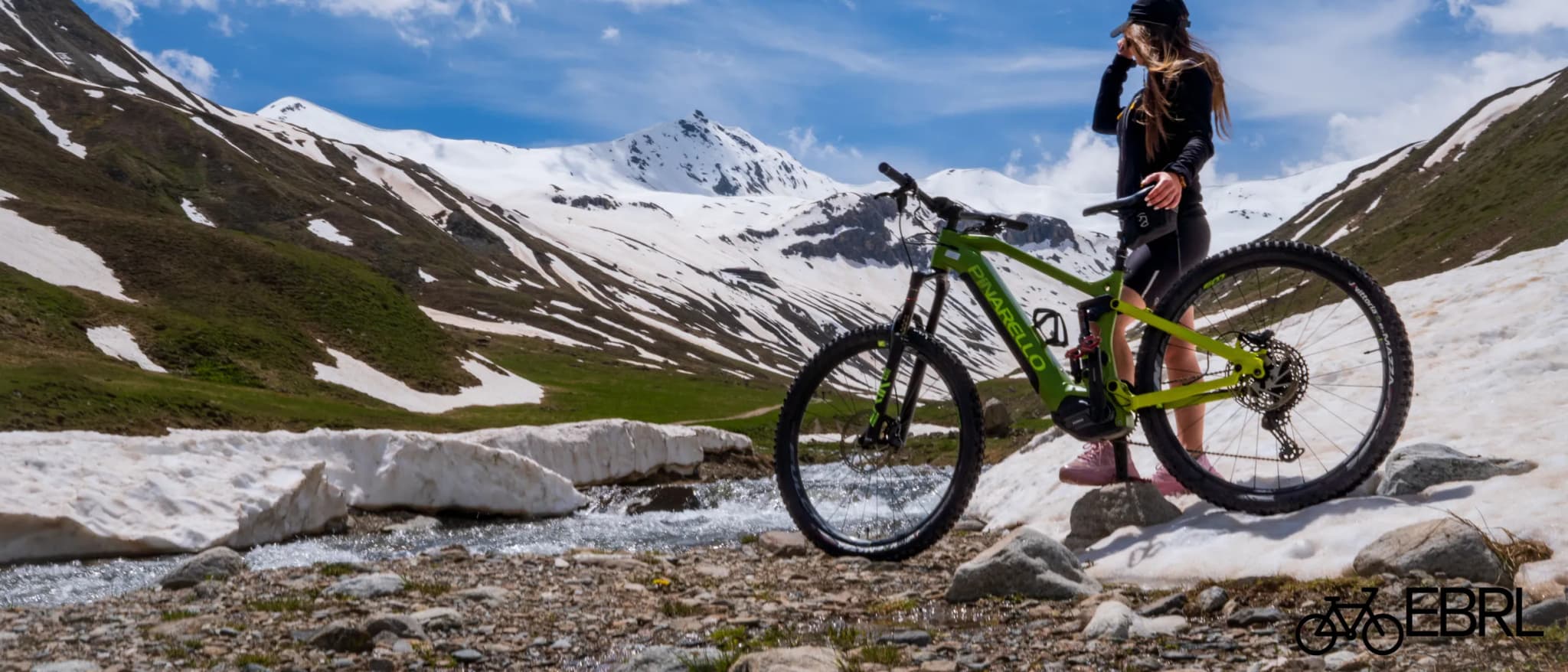
If you live somewhere with real elevation change, you've probably wondered whether an electric bike can actually get you up that hill without turning into a leg workout anyway. It's a fair question, and honestly, most product pages don't answer it well. They'll throw around numbers like "750W motor" and call it a day, as if wattage alone tells you anything useful about a 15% grade.
I've ridden e-bikes up hills that made my old road bike feel like a joke, and I've also ridden ones that basically gave up halfway. The difference wasn't the sticker on the box. It came down to a handful of specs that most buyers never think to check.
The short answer: yes, within limits
Electric bikes can climb steep hills, often grades that would be miserable or flat-out impossible for most riders on a regular bike. Plenty of e-bikes handle 15-20% grades without much drama, and some purpose-built models push past that.
But "can" and "will comfortably" aren't the same thing. A bike with a weak motor, a small battery, or the wrong gearing might technically make it up a steep hill, but you'll feel every bit of that climb, and your battery will pay for it. The gap between a bike that's rated for hills and one that's actually good at them comes down to torque, gearing, and how the motor delivers power.
What actually matters for hill climbing (torque, not just wattage)
Here's the thing most marketing copy gets wrong: wattage measures how much energy the motor can use, not how much pulling power it has at low speeds. Torque is the number you actually want, and it's measured in newton-meters (Nm).
Think of it like this. Wattage is how big the engine is. Torque is how hard it can twist that wheel when you're barely moving, which is exactly the situation you're in halfway up a steep grade. A 500W motor with 80Nm of torque will often out-climb a 750W motor with 60Nm, even though the wattage numbers suggest otherwise.
For reference:
- Under 50Nm: fine for flat commutes, struggles on real hills
- 60-80Nm: handles moderate to steep grades reasonably well
- 85Nm and up: built for serious climbing, off-road terrain, or heavier riders
If a listing only advertises wattage and skips torque entirely, that's usually a sign the number isn't flattering.
Motor type comparison for hills (mid-drive vs hub)
This is where things get interesting, and it's the single biggest factor separating a good hill-climbing ebike from a mediocre one.
Mid-drive motors sit at the pedals, in the same spot as a regular bike's crank. Because they push power through the bike's existing gears, they can shift torque up or down depending on the terrain, similar to how you'd downshift on a regular bike before a climb. That makes them noticeably more efficient on steep or sustained grades. Most serious mountain e-bikes and hill-focused commuters use mid-drive systems for exactly this reason.
Hub motors sit in the wheel itself, either front or rear, and deliver a fairly constant level of power regardless of what gear you're in. They're cheaper to produce and totally fine for flat or rolling terrain. On a steep, sustained climb, though, they tend to run hotter and drain the battery faster because they can't take advantage of mechanical leverage the way a mid-drive can.
Neither option is "bad." A rear hub motor on a budget commuter bike will still get you up a moderate hill just fine. But if hills are a daily reality for you, not an occasional detour, a mid-drive motor is generally the smarter investment.
Battery drain on steep climbs, and how to manage it
Climbing eats battery fast. Depending on grade, motor assist level, and rider weight, a steep sustained climb can use two to three times the energy of flat riding covering the same distance. That's just physics. Fighting gravity takes work, and the motor has to supply a lot of it.
A few things help stretch your range on hilly routes:
- Pedal actively instead of relying fully on the throttle. Even light pedaling reduces the load on the motor significantly.
- Use a lower assist level on moderate climbs and save the highest setting for the steepest sections.
- Shift into an easier gear before the hill starts, not once you're already struggling. Motors and drivetrains both work more efficiently when they're not straining.
- Consider battery capacity, not just range claims. A 500Wh battery on flat ground might advertise 50 miles, but on a hilly route, that number can drop by half or more.
If your daily ride involves consistent elevation gain, it's worth budgeting for a bigger battery than you think you need. You'll thank yourself later.
What gradient (% grade) different e-bikes can realistically handle
Grade, or gradeability, refers to the steepest incline a bike can climb while maintaining forward momentum, usually expressed as a percentage. A 10% grade means the road rises 10 feet for every 100 feet traveled, which is steeper than it sounds if you've never thought about it in those terms.
Rough benchmarks based on typical motor and torque specs:
- Entry-level commuter e-bikes (40-50Nm torque): comfortable up to roughly 10-12% grades
- Mid-range hub or mid-drive bikes (60-80Nm torque): handle 15-18% grades without much strain
- High-torque mid-drive and off-road e-bikes (85Nm+): capable of 20-25% grades, sometimes more depending on rider weight and battery charge
Manufacturers sometimes list a maximum gradeability spec, but treat it with a little skepticism. Those numbers are often tested under ideal conditions with a light rider and a fully charged battery, not a 200-pound commuter climbing at the end of a long ride.
Tips for climbing steep hills safely and efficiently
A capable motor only gets you halfway there. How you actually ride the hill matters too.
Start climbs with some momentum if you can, rather than approaching them from a dead stop. Shift down before the grade increases, not during it, since most e-bike drivetrains shift better under lighter pedal pressure. Stay seated for steady, sustained climbs to keep your weight balanced and traction consistent, and only stand for short bursts of extra power.
Watch your battery indicator on longer climbs so you're not caught off guard near the top. And if you're riding an unfamiliar hilly route, it's smart to start with a higher assist level and dial it back once you get a feel for how the bike handles the terrain.
Want to understand the mechanics behind all of this in more detail? Check out our guide on how electric bikes work. And if you're still narrowing down which model fits your commute, our complete electric bike buying guide breaks down what to look for beyond just the hill-climbing specs. For high-torque models from our reviews, see the main roundup, or compare best electric mountain bikes for trails if hills are the whole point.
Frequently Asked Questions
Does wattage or torque matter more for hills?
Torque matters more. Wattage tells you the motor's overall power capacity, but torque tells you how much force it can apply at low speeds, which is what actually gets you up a steep grade.
Will climbing hills drain my battery faster?
Yes, significantly. Steep or sustained climbs can use two to three times the energy of flat riding over the same distance, so expect your real-world range to drop on hilly routes.
What's the steepest grade an e-bike can climb?
It depends on the bike. Entry-level models typically handle up to 10-12% grades comfortably, while high-torque mid-drive bikes can manage 20-25% or more, though rider weight and remaining battery charge both affect the actual limit.
Do I need a mid-drive motor for hills?
Not strictly, but it helps a lot. Mid-drive motors use the bike's own gears to multiply torque, making them more efficient on steep or sustained climbs than hub motors, which deliver more constant power regardless of terrain.