E-Bike Battery Repair: When It Works and When to Just Replace It
Can electric bike batteries be repaired? Sometimes. Here's what's fixable, what's too risky to DIY, and how to know if replacement makes more sense.

So your e-bike's range has been shrinking. Maybe it used to get you 40 miles on a charge, and now you're lucky to squeeze out 20. Before you drop $400 to $900 on a new battery, it's fair to wonder: can this thing actually be fixed?
The short answer is yes, sometimes. But not always, and not in the way most people hope.
Can e-bike batteries be repaired? The honest answer
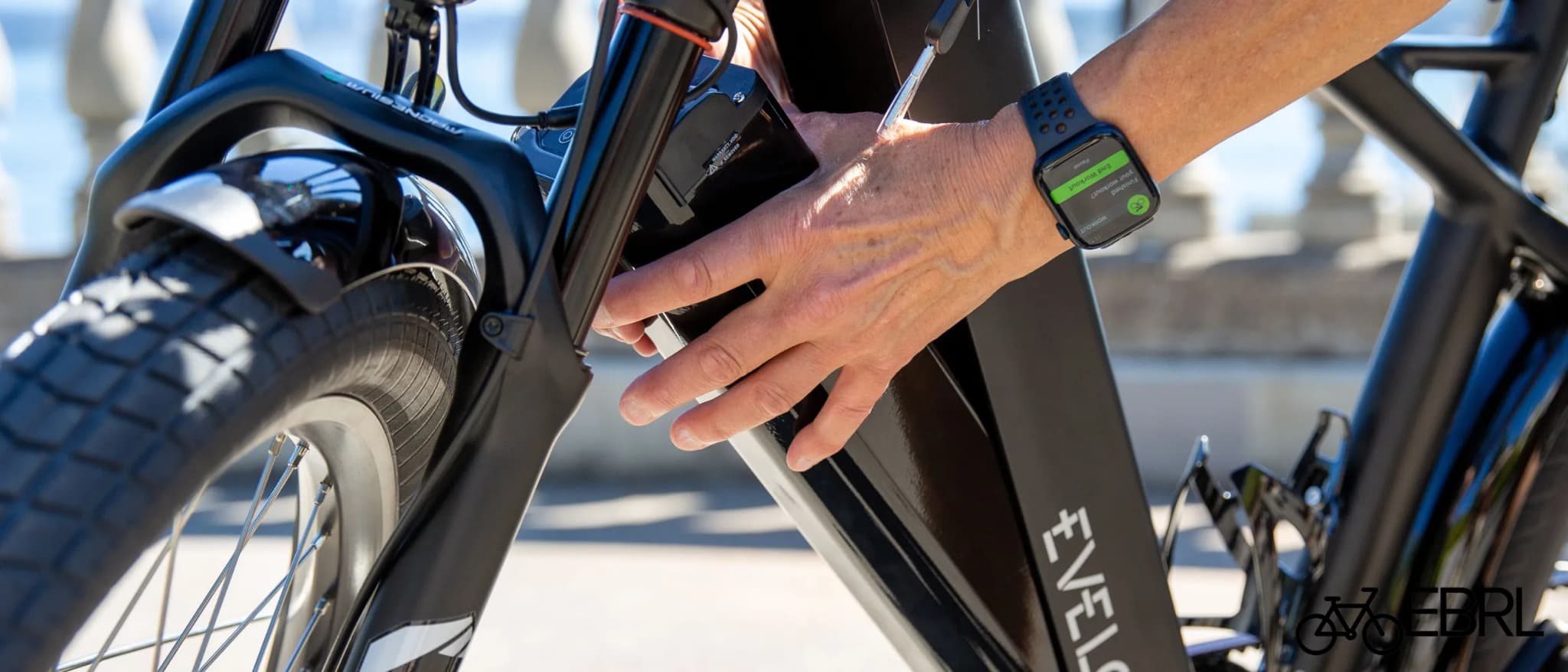
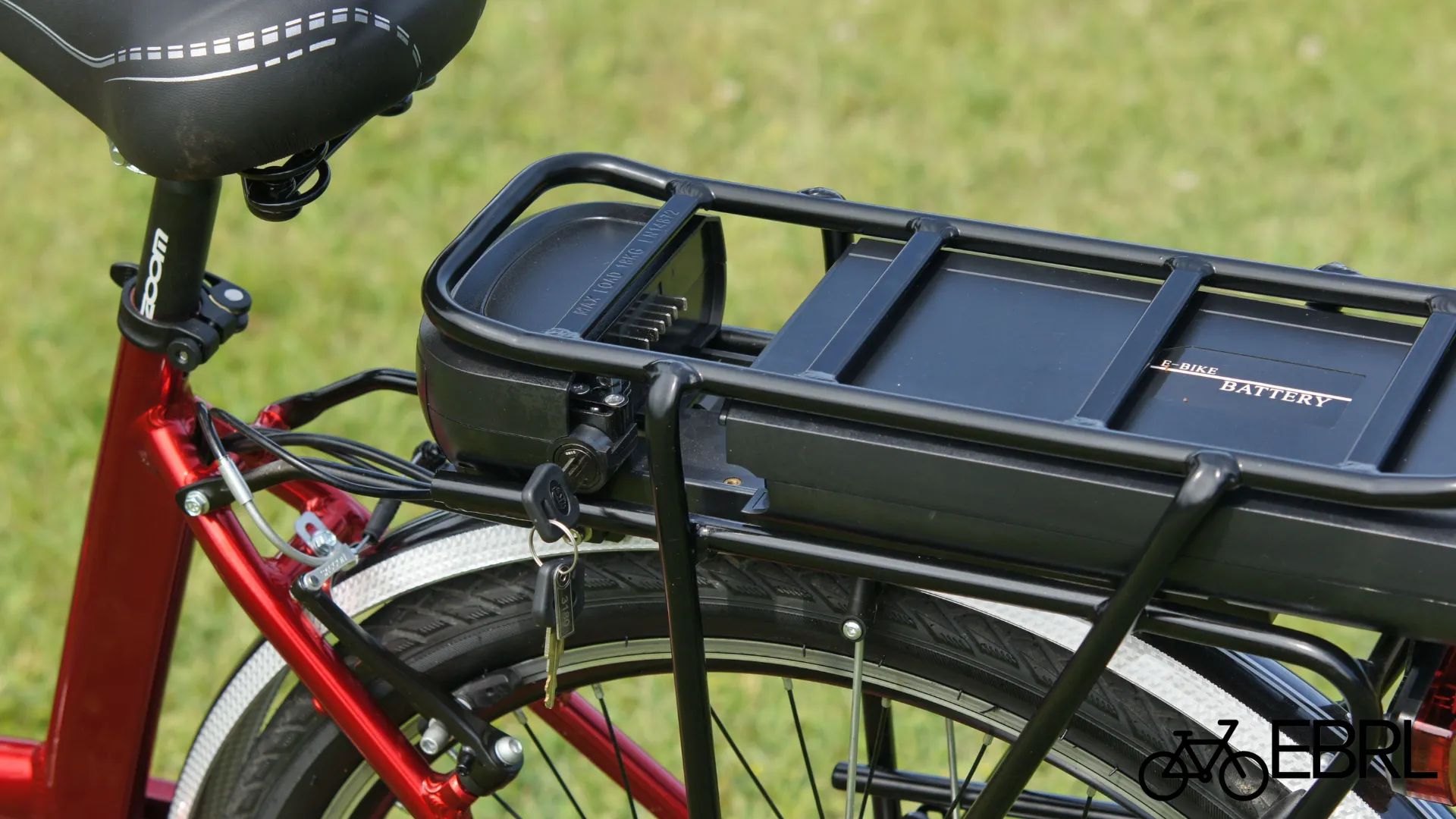
Here's the thing. An e-bike battery isn't one single unit that either works or doesn't. It's a pack, usually made up of dozens of individual lithium-ion cells wired together, plus a small circuit board called a battery management system (BMS) that keeps everything balanced and safe.
That means "repair" can mean a lot of different things depending on what's actually wrong.
Sometimes the fix is genuinely simple. A loose connector, a corroded terminal, or a failed BMS chip can often be swapped out by someone who knows what they're doing, and your battery is back in business. Other times, the cells themselves have degraded from age and use, and there's no fixing that. You're just managing decline at that point.
In my experience talking to bike shop techs, roughly a third of "dead" batteries brought in for diagnosis turn out to have a fixable connection or electronics issue rather than actual cell failure. That's not a bad number. It's just not the majority.
What can realistically be fixed
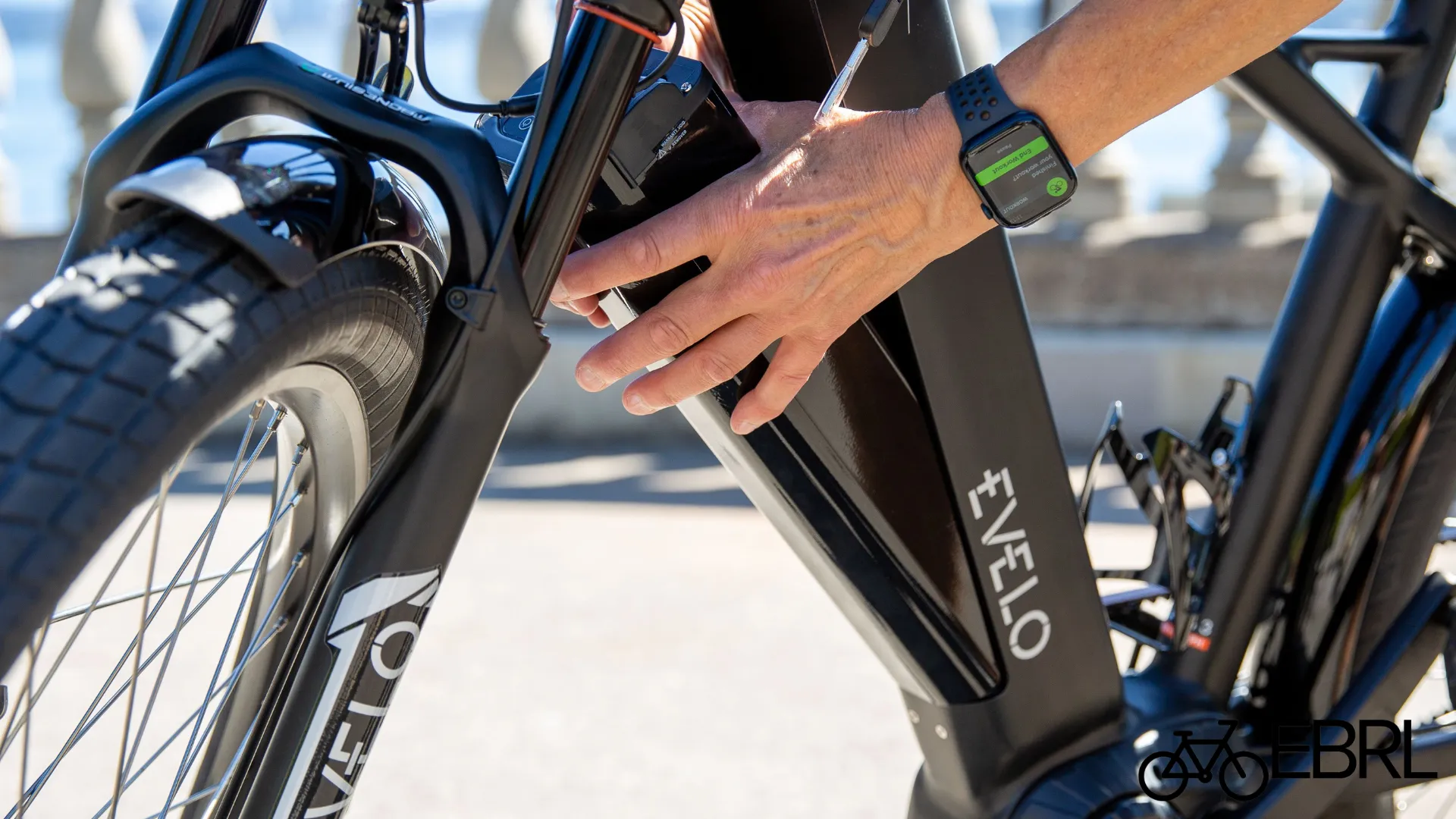
A handful of battery problems are legitimately repairable, and knowing which ones can save you a lot of money.
BMS failures. The battery management system is often the weak link, not the cells. If your battery won't charge at all, won't hold a charge, or shuts off randomly, a faulty BMS is a common culprit. Replacing this board is a well-understood repair for anyone with the right tools and soldering skills.
Loose or corroded connectors. Vibration from riding, plus exposure to moisture, can loosen wiring or cause corrosion at the terminals. Cleaning contacts or resoldering a connection is about as basic as electrical repair gets.
Individual cell replacement. This is where things get more involved, but it's still doable for specialists. If testing shows only a few cells in the pack have failed while the rest are healthy, a qualified repair shop can sometimes replace just those weak cells rather than the whole pack. It takes specialized equipment to test, match, and spot-weld new cells into an existing configuration, so this isn't a weekend garage project for most people.
Firmware or communication errors. Occasionally a battery reports as dead when it's actually a software glitch between the battery and the bike's controller. A reset or firmware update solves it without touching the internals at all.
What can't be safely repaired (and why DIY cell swaps are risky)
Now for the part that matters most: what you shouldn't try to fix yourself, no matter how many YouTube videos make it look easy.
Swapping individual lithium-ion cells at home is genuinely dangerous. These cells need to be capacity-matched and balanced with the rest of the pack, or you risk uneven charging that stresses the whole battery. Get it wrong, and you're looking at overheating, swelling, or in worst cases, thermal runaway. That's the technical term for a battery fire, and it's not rare enough to dismiss as a scare tactic.
There's also the issue of spot welding. Cells in an e-bike pack are connected with thin nickel strips that are spot-welded in place, not soldered. Soldering generates too much heat and can damage the cell internally in ways you won't notice until it fails later, sometimes catastrophically.
If a battery pack shows physical damage like swelling, punctures, or a burnt smell, that's not a repair candidate at all. That's a replace-immediately, dispose-properly situation. Don't try to open it, don't try to charge it, and don't throw it in regular trash.
Repair cost vs replacement cost
This is usually where the decision gets made, and it should.
A BMS replacement typically runs $50 to $150 plus labor, so maybe $100 to $250 total depending on your local shop's rates. Connector or wiring repairs are often even cheaper, sometimes under $75.
Cell replacement is a different story. Because it requires specialized diagnostic and welding equipment, expect to pay $150 to $400 for a partial cell swap, assuming you can even find a shop that offers it. Many don't, because the liability and labor involved make it barely worth their time compared to just selling you a new pack.
A brand new OEM battery, meanwhile, generally lands somewhere between $400 and $900 depending on your bike's brand and the battery's voltage and capacity. Premium or proprietary batteries from certain manufacturers can run even higher.
So the math usually breaks down like this: if the problem is electronic (BMS, wiring, connectors), repair almost always wins. If the problem is the cells themselves, and especially if the battery is more than three or four years old, replacement tends to be the better value once you account for labor, uncertainty, and the fact that you're still working with aged cells even after a partial fix.
Signs your battery needs replacing, not repairing
A few red flags point pretty clearly toward replacement territory.
Range that's dropped by more than 20 to 30 percent from when the battery was new usually signals broad cell degradation rather than one isolated fault. Any visible swelling or a case that no longer sits flush is a safety issue, full stop. A battery that's four or more years old, or has logged somewhere north of 500 to 800 charge cycles, is simply nearing the end of its realistic lifespan even if it still technically holds a charge.
If a shop diagnoses the issue and tells you multiple cells have failed rather than just one or two, that's usually your answer too. At that point you're not really repairing a battery anymore. You're rebuilding most of it, and the cost starts creeping toward what a new pack would run anyway.
How to extend battery lifespan going forward
Whether you repair or replace, a little care goes a long way toward avoiding this whole situation again sooner than necessary.
Avoid letting the battery sit at 0% or 100% for long stretches. Most manufacturers recommend keeping it between 20% and 80% for daily storage, and only charging to full right before a long ride. Heat is another quiet killer, so don't charge a battery immediately after a hot ride, and don't store it in a garage that bakes in summer sun. If you're parking the bike for winter, store the battery around 50% charge in a cool, dry spot rather than fully charged or fully drained.
Cheap, no-name chargers are also worth avoiding. A charger that doesn't properly regulate voltage can degrade cells faster than normal use ever would. It's a small expense to get right compared to what a premature replacement costs.
Want to keep your battery safer for longer? Check out our battery safety guide and our guide to charging at home for more practical tips.
Frequently Asked Questions
How long do e-bike batteries actually last?
Most lithium-ion e-bike batteries are rated for 500 to 1,000 full charge cycles, which typically works out to three to five years of regular riding before capacity drops noticeably.
Is it safe to repair a lithium e-bike battery myself?
Basic fixes like cleaning connectors are fine for most people. Opening the pack to work on individual cells is not something to attempt without proper training and equipment, since the risk of fire or injury is real.
How much does a replacement e-bike battery cost?
Expect to pay roughly $400 to $900 for an OEM replacement, depending on the bike's brand, battery voltage, and capacity.
What shortens e-bike battery life?
Frequent full discharges, storing at 100% charge for long periods, heat exposure, and using low-quality chargers are the biggest factors that speed up degradation.