Charging Your E-Bike at Home: What New Owners Need to Know
Yes, you can charge an electric bike at home. Here's how long it takes, what it costs, and how to do it safely without frying your battery.

So you just got an electric bike, or you're about to, and you're wondering if you really need some special setup to keep it powered up. Short answer: no. You can charge an electric bike at home just as easily as you'd charge a laptop. But there's a right way and a wrong way to do it, and the wrong way is how batteries degrade early or, in rare cases, catch fire.
Let's walk through exactly how home charging works, how long it takes, what it costs, and the habits that keep your battery healthy for years instead of months.
Yes, Here's How (Standard Outlet, Charger Basics)
Every electric bike ships with a charger designed specifically for its battery. You plug the charger into a normal wall outlet, the kind you'd use for a lamp or a phone charger, and connect the other end to the battery. That's it. No special wiring, no dedicated circuit, no electrician required.
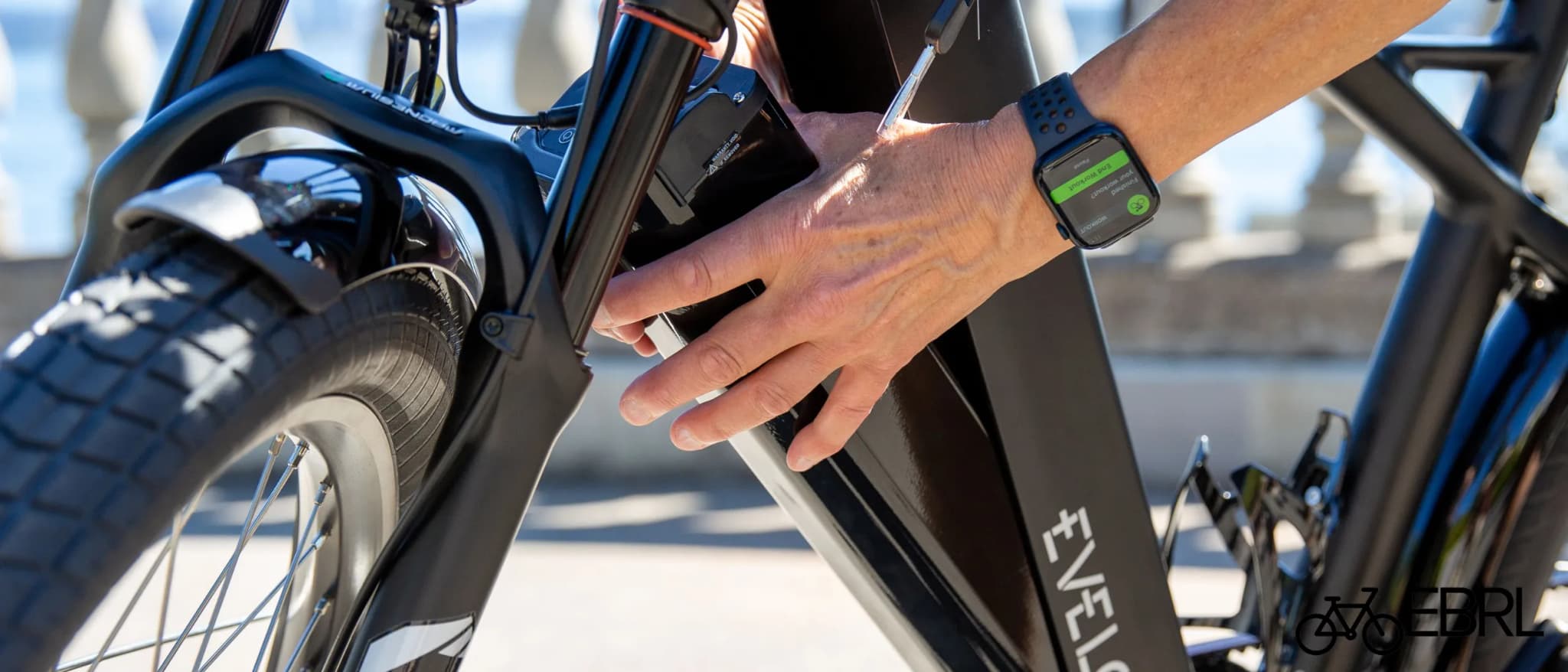
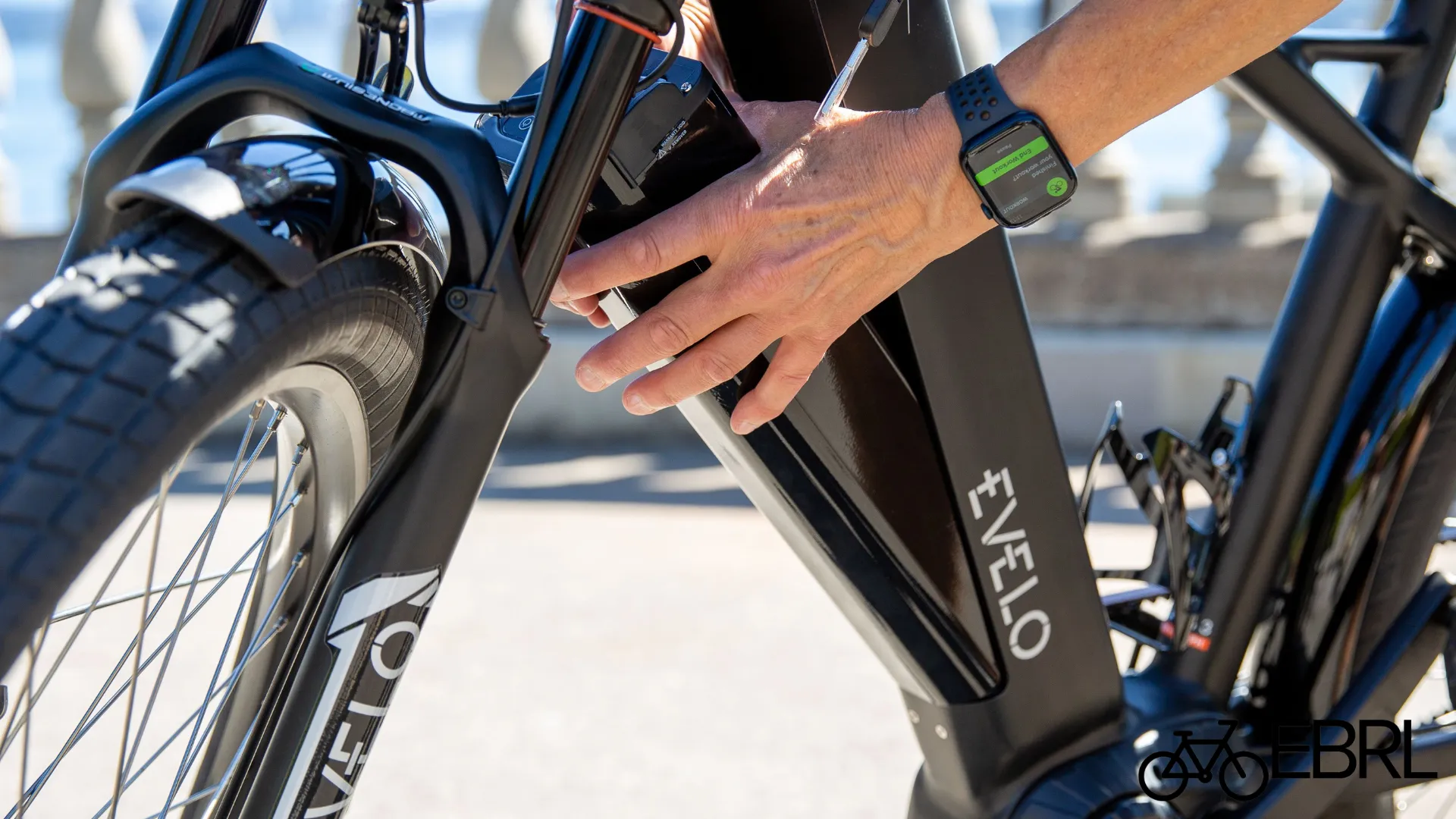
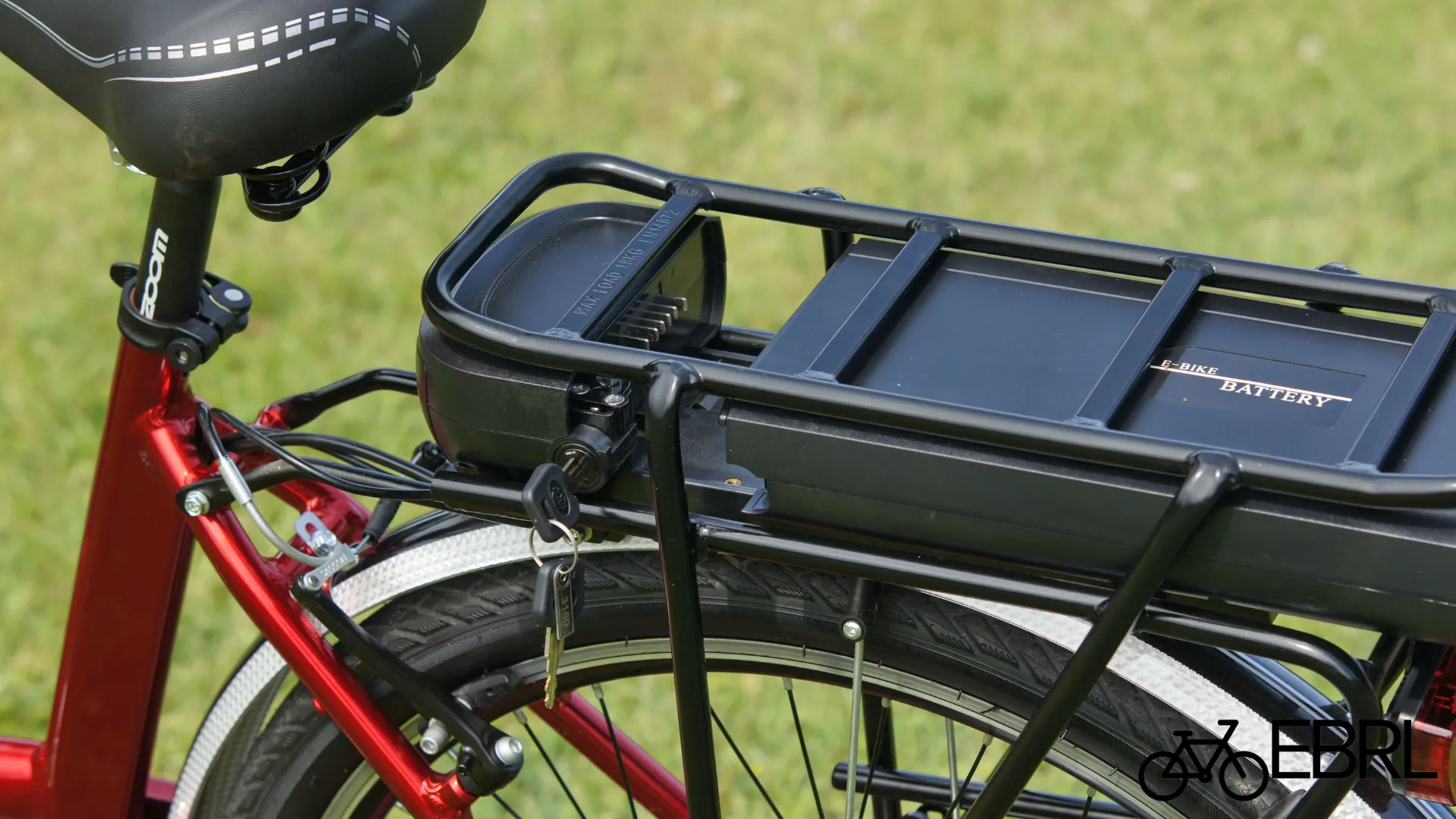
Most ebike batteries are lithium-ion, similar to what's inside your phone or laptop, just scaled up. You can charge the battery while it's still mounted on the bike, or you can pop it off and bring it inside. Removable batteries are honestly the more convenient option for apartment dwellers or anyone who doesn't want to store the whole bike near an outlet.
One thing worth checking before you buy: the plug on your charger and the voltage it outputs need to match your region's standard. If you bought a bike shipped from overseas, this matters more than people expect.
How Long a Full Charge Actually Takes
This is where a lot of new owners get surprised. A full charge from empty typically takes somewhere between 4 and 6 hours, depending on the battery's capacity and the charger's output. A smaller 400Wh battery might top off in 3 to 4 hours. A larger 750Wh battery, common on cargo or mountain ebikes, can take closer to 6 or 7.
In my experience, most riders don't actually run their battery down to zero very often. If you're topping off from 50%, you're looking at half that time, maybe 2 to 3 hours. That's usually enough to charge during a workday or overnight without leaving it plugged in for hours after it's already full (more on why that matters in a bit).
Fast chargers exist and can cut charging time by roughly a third, but they also generate more heat, which isn't great for long-term battery health. Unless you genuinely need the speed, the standard charger that came with your bike is usually the safer bet.
Best Practices for Charging Safely (Avoiding Overnight Risk, Using the OEM Charger)
Here's the thing about ebike battery fires: they're rare, but when they happen, they tend to make headlines, and most of them trace back to a handful of avoidable mistakes.
Use the charger that came with your bike. Third-party or mismatched chargers are one of the most common causes of battery failure. Even if a generic charger looks compatible, the voltage and current specs need to match exactly what your battery expects.
Don't leave it charging unattended overnight, especially not while you're asleep. This one surprises people, since overnight charging feels like the obvious convenient option. The risk isn't charging itself, it's charging unsupervised for hours past full capacity, which stresses the battery's internal cells. If you do charge overnight, consider a smart plug with a timer, or a charger with auto shutoff.
Charge on a hard, non-flammable surface. Skip the couch, the carpet, the pile of laundry. A tile floor, a garage bench, or a metal shelf works fine.
Avoid charging immediately after a hot ride. Let the battery cool to room temperature first. Charging a warm battery generates extra heat that compounds fast.
Don't charge below freezing or above 113°F (45°C). Extreme temperatures on either end mess with the lithium-ion chemistry and can shorten the battery's lifespan noticeably.
Where to Charge (and Where Not To)
Ideally, you want a well-ventilated space with a smoke detector nearby, away from anything that burns easily. A garage, mudroom, or entryway near an outlet all work well. Basements are fine too, as long as there's decent airflow.
What you want to avoid is charging right next to your bed, blocking an exit path, or tucking the charger under a pile of stuff where you won't notice if something goes wrong. Fire departments in several cities have started recommending that ebike and e-scooter batteries never charge in bedrooms or near the only exit of an apartment, for exactly this reason.
If you live in a building without easy access to an outlet near secure bike storage, some cities are starting to install public charging lockers for exactly this problem. Worth checking if your building or neighborhood has one.
How Much It Actually Costs to Charge
This part is genuinely cheap. A typical 500Wh battery costs somewhere around 15 to 20 cents to fully charge, based on the US national average electricity rate of about 16 cents per kWh. Even a larger 750Wh battery lands under 30 cents per full charge.
Do the math over a year of regular commuting, charging maybe 3 to 4 times a week, and you're looking at roughly $30 to $50 annually. Compare that to gas for a car commute, and it's not close.
Signs Your Charging Setup or Battery Isn't Safe
A few warning signs are worth taking seriously rather than shrugging off:
- The battery or charger feels hot to the touch, not just warm, but genuinely hot
- You notice a chemical or burning smell near the charger
- The battery has visible swelling, dents, or a cracked casing
- The charger makes buzzing or clicking noises it didn't make before
- Charging cuts out early or the battery drains unusually fast after a full charge
If you see any of these, stop charging immediately, unplug it, and move the battery away from anything flammable. A damaged lithium-ion battery isn't something to keep using and hope for the best. Most manufacturers offer battery replacement programs, and it's worth the cost compared to the risk.
Want to go deeper on keeping your battery healthy long-term? Check out our battery safety guide and our guide on whether your e-bike can get wet. If you live in an apartment and charge indoors, our folding e-bike indoor charging and storage guide covers placement, overnight charging, and landlord rules.
Frequently Asked Questions
How long does it take to fully charge an e-bike?
Usually 4 to 6 hours from empty, though smaller batteries can finish in 3 hours and larger ones might take 7.
Is it safe to charge an e-bike overnight?
It can be, but it's not the safest habit. Charging unsupervised for long stretches past full capacity increases risk. A smart plug with a timer or an auto-shutoff charger reduces that risk significantly.
How much does it cost to charge an e-bike?
Typically 15 to 30 cents per full charge, depending on battery size and your local electricity rate.
Can I use any charger with my e-bike?
No. Stick with the charger that came with your bike, or a manufacturer-approved replacement. Mismatched voltage or current is one of the leading causes of battery damage.