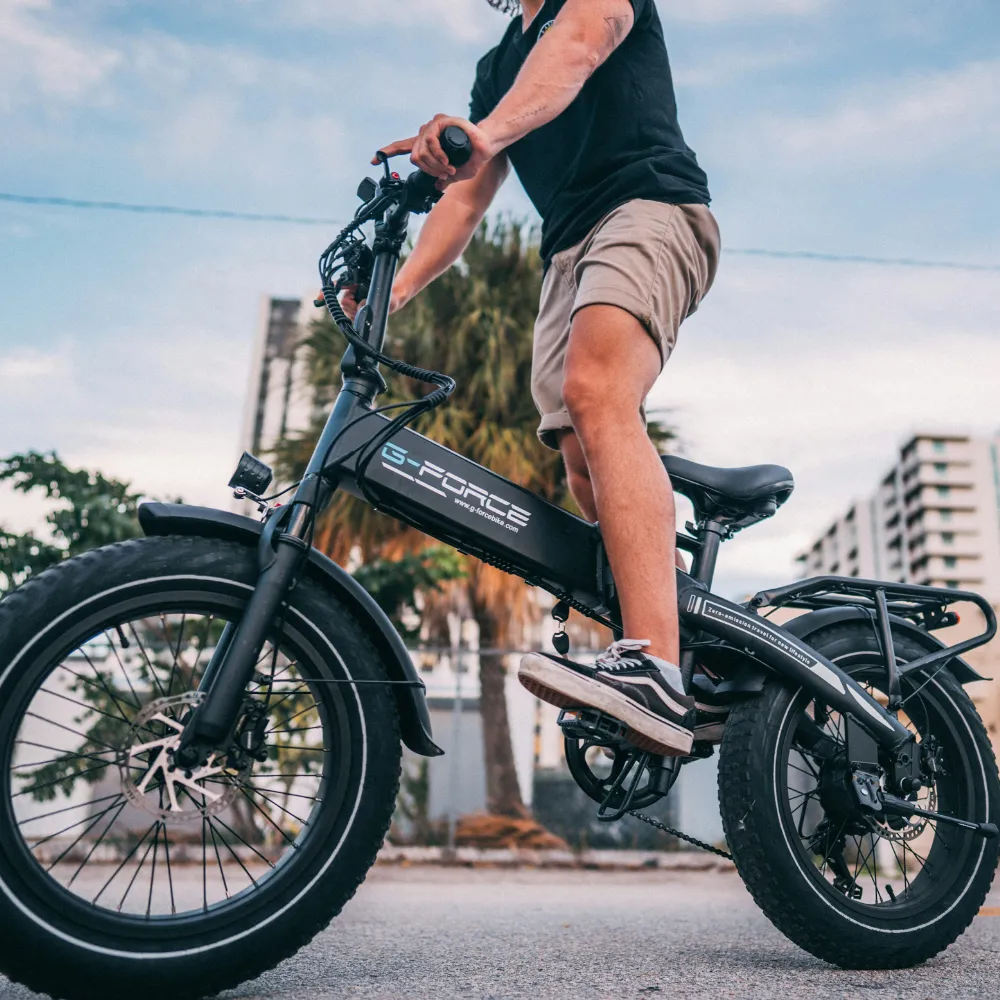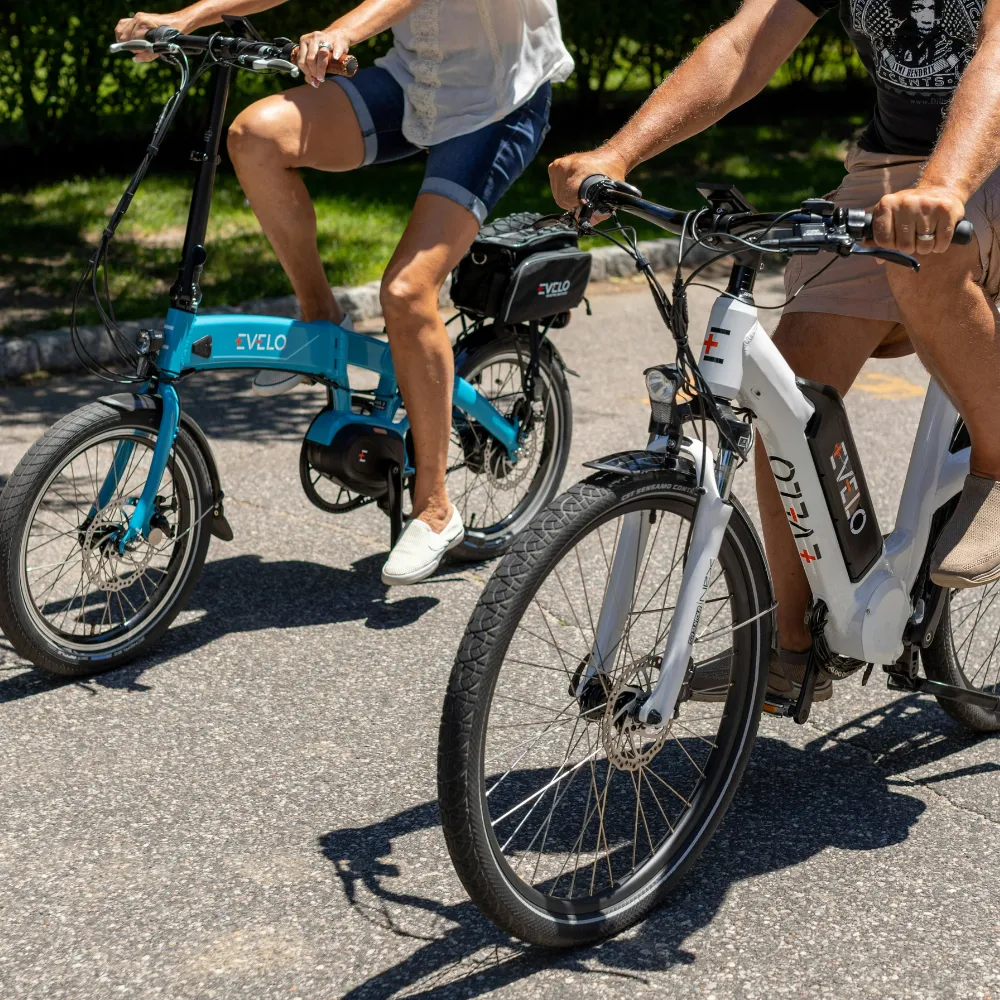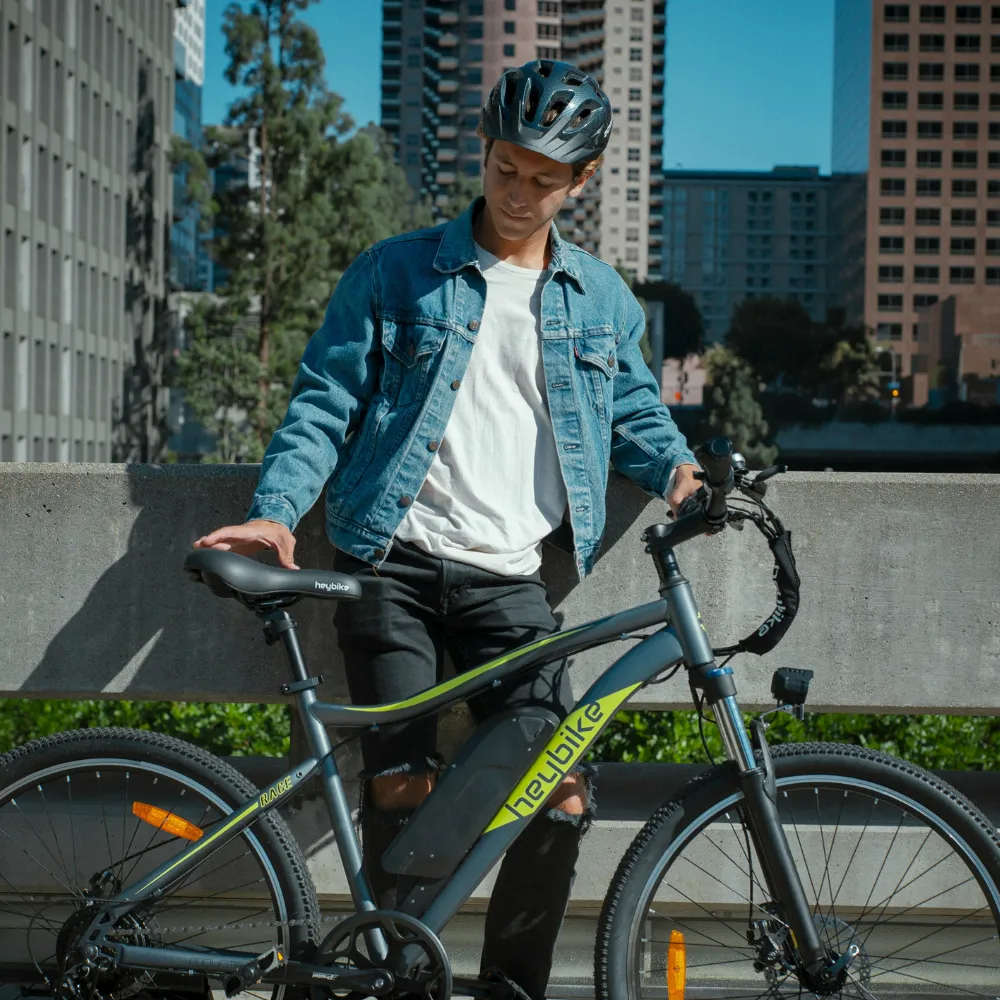
Finding the Right Electric Folding Bike for Your Life
Looking for the best electric folding bikes in 2026? Here's what to buy at every budget, from cheap commuters to picks built for heavier riders.
I spent a solid month riding, folding, unfolding, and hauling electric folding bikes around this year, and here's the thing nobody tells you before you buy one: the fold is the easy part. Almost every bike in this category collapses down small enough to fit in a trunk or a closet. What actually separates a good electric folding bike from a mediocre one is everything else. The motor. The hinge. How the battery holds up after month three. Whether the thing feels solid under you at 20 mph or starts to wobble like a shopping cart with a bad wheel.
So that's what this guide is really about. Not just which folding e-bikes are popular right now, but which ones are actually worth your money depending on what you need them for. Whether you're commuting to a train station, storing a bike in a tiny apartment, or you're a heavier rider who's been burned by weight limits that quietly excluded you, I've tried to cover it.
If you want a nine-point checklist before you buy, start with our foldable electric bike buying guide. For a longer ranked roundup with deeper model testing, see our Top 10 folding e-bikes guide.
What Actually Makes a Folding E-Bike Good
Before we get into specific models, it helps to know what you're evaluating. A cheap folding e-bike and an expensive one can look almost identical in a listing photo. The differences show up after a few weeks of use, usually in ways that aren't obvious until something breaks.
Motor power and torque. Most decent folding e-bikes now sit in the 350W to 500W range, with torque somewhere between 40 and 65Nm. More torque matters more than raw wattage if you're dealing with hills or extra cargo weight. A 500W motor with 55Nm of torque, which is roughly what you'll find on something like the Lectric XP4, climbs noticeably better than a 350W motor pushing half that torque.
Hinge quality. This is the part people skip and then regret. Cheaper folding bikes use stamped steel hinges that develop play over time, that annoying wobble you feel when you stand up to pedal. Better bikes use CNC-machined hinges with a rigid latching system. If you're testing a bike in person, fold and unfold it a few times and check for looseness. Our breakdown of how folding electric bikes fold covers the main mechanisms.
Frame rigidity. Stand up on the pedals and push hard. If the frame flexes noticeably, that's not a quirk, that's a red flag, especially for heavier riders or anyone planning to carry cargo.
Certification. Look for UL 2849 certification on the battery and electrical system. It's become the standard safety benchmark in the US, and honestly, skipping this check is how people end up with the battery fires you've probably seen in local news segments. It costs you nothing to confirm a bike has it. We cover what that certification actually means in are electric bike batteries dangerous, and which brands tend to follow through in our most reliable e-bike brands ranking.
Actual payload rating, not just "rider weight." A lot of listings quote a weight limit that doesn't include cargo, groceries, a backpack, or a second person's bag balanced on the rack. Always check whether the number you're seeing is total payload or just rider weight.
The Best Electric Folding Bikes in 2026, By Category
There isn't one "best" folding e-bike, there's a best one for your situation. Here's how the current field breaks down.
Best Overall: Velotric Fold 1 Plus
Most of the testers I trust landed on the same conclusion this year: the Velotric Fold 1 Plus is the strongest all-around folding e-bike on the market right now. It balances power, comfort, range, and portability better than most of the competition, and it's genuinely suited to commuting, errands, and even RV travel without feeling like it's compromising on any one of those uses.
What stands out is the dual sensor setup. It uses both a torque sensor and a cadence sensor, so the pedal assist feels responsive to how hard you're actually pedaling rather than just kicking in whenever the pedals spin. In stop-and-go city riding, that difference is noticeable. It also comes with a genuinely useful feature list: cruise control, three riding modes with fifteen assist levels, and integrated Find My tracking, which matters more than you'd think once you've locked a $2,000 bike to a rack outside a coffee shop.
Best Value / Runner-Up Overall: Lectric XP4
If the Fold 1 Plus is slightly out of budget, the Lectric XP4 is the one most reviewers point to next, and for good reason. The base model comes with a 500W rear hub motor that peaks at over 1,000W, paired with 55Nm of torque and a 10.4Ah battery. That's a real jump from earlier Lectric models, and it shows up in hill climbing and stop-light acceleration.
Lectric also sells an upgraded version with a 750W motor and a bigger 17.5Ah battery for people who want more range and don't mind paying more for it. Either way, the XP4 is one of the more dependable choices if you want strong performance without stepping into premium pricing.
Best Electric Folding Bike Under $1000
This is where budget shoppers should be looking. The Engwe L20 2.0 checks nearly every box you'd want at this price point. For around $800, you get a top speed of 28 mph and a claimed range of up to 60 miles, numbers that hold up surprisingly well against bikes costing twice as much. It's also got a low step-through frame, which makes mounting and dismounting easier if you're riding in regular clothes rather than gear built for cycling.
The tradeoff at this price is usually in the small stuff: less refined brakes, a simpler drivetrain, fewer assist levels. None of that is a dealbreaker for a commuter bike, but it's worth knowing going in. For a spec-per-dollar look across tiers, see our best folding bike for the money guide.
Cheapest Electric Folding Bike Worth Buying: GoTrax eFold
If price is your main filter, the GoTrax eFold sits around $499 and is, as far as I can tell, the best case for spending as little as possible while still getting a real folding e-bike rather than a toy. You get a 350W rear hub motor, a 20 mph top speed, mechanical disc brakes, and a removable 48V battery. Independent testing put its actual weight at just over 52 pounds, light enough to work in an apartment, RV, or small car trunk.
You won't get suspension or hydraulic brakes at this price, and the range tops out lower than pricier models. But as a simple, no-frills folding commuter, it's hard to beat for the money. Just don't expect it to double as a hill-climbing machine or a cargo hauler.
Best for Heavy Riders
This is where a lot of buyers get quietly let down. A huge chunk of folding e-bikes on the market are rated for 220 to 265 pounds of total payload, which excludes a lot of people before they even get to compare features. If you're over 250 pounds, or you regularly carry cargo, weight capacity should be the first spec you check, not the last.
A few things worth knowing here. Standard commuter e-bikes usually top out around 250 to 300 pounds of capacity. Folding e-bikes specifically tend to run lower than that, closer to 220 to 265 pounds, because the folding hinge and smaller frame limit how much reinforcement is practical. That's exactly why heavier riders need to hunt a bit more carefully rather than assuming any folding bike will work.
The Lectric XP 3.0 carries a 330-pound weight capacity, which puts it solidly in the "works for most heavier riders" category. The Tern HSD P9 goes further, rated up to 375 pounds, though it's a longer, heavier bike that folds less compactly than the smaller-wheeled options. On the fat-tire side, models built around 24x4-inch tires with full suspension, similar to what you'll find in the Horizon-style builds some brands sell, tend to land around 330 pounds of max load and offer noticeably more comfort on rough pavement.
If you're closer to 300 pounds, don't cut it close. A bike rated for exactly your weight leaves you almost no margin for cargo, a passenger's bag, or just riding on a pothole-heavy street. Look for at least a 50 to 75 pound buffer above your actual weight if you can.
Best for Adults Who Want One Bike to Do Everything
Not everyone wants a specialist bike. If you'd rather have one folding e-bike that handles commuting, errands, and the occasional longer weekend ride without feeling stretched thin in any direction, this is where the Velotric Fold 1 Plus comes back into play, alongside the Ride1Up Portola, which several 2026 testers ranked as their top overall pick for the strongest mix of power, components, and price. Both are built more like do-everything bikes than narrow commuters, which shows in the cargo capacity and the drivetrain quality.
Best Lightweight and Most Portable: Lectric XP Lite
If your priority is weight over power, meaning you're the one carrying the bike up stairs or lifting it into a car trunk regularly, the Lectric XP Lite trades some motor power and range for a noticeably lighter frame. It's the version of the XP line built for people who fold their bike often and actually carry it, rather than rolling it from a garage to the driveway once a week.
Best Electric Folding Bike UK: Brompton Electric
For UK shoppers, the calculus is a little different, partly because of local regulations and partly because one brand has dominated this category for years. The Brompton Electric C-Line remains the benchmark folding e-bike in the UK. It folds down smaller than almost anything else on this list, genuinely small enough to carry onto a train or tuck under a desk, and it's built with the kind of fit and finish that justifies its higher price tag. It's not the cheapest option, and it's not the most powerful, but if your priority is a compact, well-built commuter for city and rail travel, it's still the one most UK reviewers keep coming back to. Our street-legal e-bike guide covers how UK EAPC rules differ from US class limits.
Lectric Folding Bikes: Why This One Brand Keeps Coming Up
You've probably noticed Lectric showing up repeatedly in this guide, and that's not an accident. Lectric has built its whole reputation around folding e-bikes specifically, rather than treating folding models as an afterthought to a lineup of regular e-bikes. The XP line has gone through several generations at this point, and each one has meaningfully improved motor output, battery capacity, and build quality over the last.
What makes Lectric worth a dedicated mention is the range within the lineup. The XP Lite covers people who care most about low weight. The base XP4 covers most everyday commuters. The upgraded 750W version covers people who want speed and range without switching brands entirely. That kind of tiered lineup, where you're not choosing between totally different companies as your needs change, is genuinely rare in this space. For how Lectric stacks up against Brompton, Tern, and other folders on fold size and price, see our foldable e-bike brands compared guide.
Pedal Assist vs Throttle on a Folding E-Bike
Almost every electric folding bike gives you some mix of pedal assist and throttle control, and it's worth understanding the difference before you buy rather than after.
Pedal assist, sometimes called PAS, boosts your pedaling power based on how hard or how fast you're pedaling, depending on whether the bike uses a torque sensor or a cadence sensor. Torque sensors respond to how hard you're actually pushing, which feels more natural and responsive. Cadence sensors just detect that the pedals are turning and apply a preset amount of power, which can feel a little jumpy or delayed by comparison.
Throttle mode lets you move the bike without pedaling at all, similar to a scooter. It's useful for starting from a dead stop on a hill, or for moments when your legs are just done. Most riders end up using a mix of both. If you're shopping specifically for a pedal assist folding bike because you want the workout element without losing the safety net of a throttle, look for bikes that offer both rather than pedal-assist-only models, since the throttle option costs you nothing when you're not using it. If you want the mechanics behind that, our how electric bikes work explainer covers motors, sensors, and battery drain.
What Heavier Riders Should Actually Check Before Buying
I touched on weight capacity earlier, but it deserves its own space because it's the single most common reason heavier riders end up disappointed with a folding e-bike purchase.
First, separate "rider weight" from "total payload." Some listings only account for the person riding. Others include cargo, a rack load, or a child seat in that number. If a listing isn't clear, email the manufacturer and ask directly. It sounds excessive, but a five-minute email beats finding out the hard way that your bike's frame is creaking under normal use.
Second, motor torque matters almost as much as weight rating for heavier riders. A bike rated for 300 pounds with a weak 40Nm motor will still feel sluggish and strained on hills, even if the frame itself holds up fine. Look for at least 55Nm of torque if you're on the heavier end and plan to ride anywhere with elevation change.
Third, tire width helps more than people expect. Wider tires, especially fat tires in the 4-inch range, distribute weight more evenly and handle rough pavement better. They also act as a bit of natural suspension, which reduces strain on the frame and the rider over a longer ride.
Fourth, check the brakes. Heavier total weight means longer stopping distances, full stop. Hydraulic disc brakes stop noticeably faster and more consistently than mechanical cable brakes, particularly in wet weather. If you're above 250 pounds, this isn't a nice-to-have, it's close to a requirement.
Battery Range and Charging, Realistically
Range numbers on listings are almost always optimistic. A bike advertised with 60 miles of range is usually referring to the lowest assist level, flat terrain, a lighter rider, and ideal weather. Real-world range for most riders lands somewhere between 50 and 70 percent of the advertised number once you factor in hills, higher assist levels, cargo, and colder temperatures, which reduce battery efficiency.
A rough rule of thumb: if you weigh more, ride hills, or use higher assist settings regularly, plan around the lower end of a bike's range estimate, not the number on the box. Charging times generally run three to six hours for a full charge, and most folding e-bikes now use removable batteries, which makes charging inside your apartment or office a lot more practical than dragging the whole bike to an outlet.
Folding Mechanism, Portability, and What "Fully Electric" Actually Means
Quick clarification since this trips people up: a "fully electric folding bike" almost always still has pedals. What it means is that the bike has a genuine, capable electric drivetrain rather than a weak assist motor bolted onto what's basically a regular bicycle. It's not a moped, and you're not required to pedal, but pedaling is still there and still useful for range and exercise.
On the fold itself, pay attention to three things: fold time, folded dimensions, and folded weight. A bike that folds in under 15 seconds is genuinely convenient for daily use, like tucking it under a desk or into a train vestibule. One that takes a minute or involves fiddly latches gets used less often than people expect, even if they bought it specifically for portability.
Folded weight matters more than most buyers plan for. A bike that weighs 60-plus pounds folds fine, but you're not casually carrying it up three flights of stairs. If you genuinely need to lift the bike regularly, look specifically at lighter models like the XP Lite, generally in the 40 to 50 pound range, rather than assuming any folding bike will work for that use case.
How Much Should You Actually Spend
Here's roughly how the market breaks down by price tier right now:
Under $600: Basic components, mechanical brakes, lower weight capacity, usually under 300W to 350W motors. Fine for flat commutes and light use. The GoTrax eFold sits here.
$800 to $1,200: The sweet spot for most buyers. Better motors, longer range, sometimes hydraulic brakes, higher weight capacity. This is where the Engwe L20 2.0 and base-model Lectric bikes live.
$1,500 to $2,500: Premium build quality, stronger torque, better sensors, extra features like cruise control and app connectivity. The Velotric Fold 1 Plus and upgraded Lectric models fall here.
$2,500 and up: Specialty and premium brands, including Brompton Electric. You're paying for compactness, brand reputation, and refinement rather than raw power at this tier.
Spending more doesn't automatically get you a better bike for your specific situation. A $500 GoTrax might genuinely serve a short, flat commute better than an $1,800 bike with features you'll never use. Match the spend to the actual use case, not the spec sheet.
Common Mistakes People Make Buying Their First One
A few patterns show up again and again in folding bike reviews and owner forums, so it's worth flagging them directly.
Buying based on top speed alone. A bike that hits 28 mph sounds appealing, but check your local laws first. Many areas cap unrestricted e-bike use around 20 mph, and going faster can affect insurance, bike lane access, or where you're legally allowed to ride.
Ignoring the folded dimensions. "Folds down small" means different things across brands. If you're storing it under a train seat or in a small closet, get the exact folded measurements before buying, not just a marketing photo.
Skipping the weight capacity check entirely. This is the one that burns heavier riders most often. Don't assume, confirm.
Not test riding before committing to an expensive model. If there's any way to test ride locally, even a different model from the same brand, do it. Fit and feel vary more than people expect between otherwise similar-spec bikes.
Still deciding if a folder is even the right category? Start with are foldable electric bikes worth it, or use our use-case picks if you already know you want one and just need the right situation match.
Frequently Asked Questions
What's the best folding bike overall right now?
Among electric models, the Velotric Fold 1 Plus and Lectric XP4 are the two most consistently recommended across 2026 testing, with the Fold 1 Plus edging ahead on features and the XP4 offering stronger value.
Where should I actually look for folding bike reviews?
Stick to outlets that do hands-on, long-term testing rather than single-day first impressions. Weight capacity claims, range estimates, and hinge durability only really show up after weeks of regular use, not a single test ride.
Is there a good electric folding bike under $1000?
Yes. The Engwe L20 2.0 around $800 is the strongest current pick in that range, with the GoTrax eFold as an even cheaper option if $500 is your ceiling.
What's the cheapest electric folding bike worth buying?
The GoTrax eFold around $499 is the best case for spending as little as possible while still getting a real folding e-bike. You give up hydraulic brakes, suspension, and hill-climbing power, but it works as a simple, no-frills commuter.
What should heavier riders check before buying a folding e-bike?
Start with total payload, not just rider weight, and leave a 50 to 75 pound buffer for cargo. Then check torque (at least 55Nm if you ride hills), tire width, and hydraulic disc brakes. The Lectric XP 3.0 (330 lbs) and Tern HSD P9 (375 lbs) are the models that actually leave room for heavier riders.